
Dela
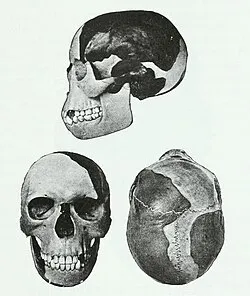
The Piltdown man was the most successful artifactual hoax of all time. The relevant skull was a chimeric melange of orangutan and human bone fragments from several individuals “discovered” in England in 1912, and meant to represent a transitional form between apes and humans. Given the intense interest in evolutionary biology, it took almost fifty years to discover the Piltdown fabrication. The study of human evolution was derailed. Adding insult to injury, a further sixty years was required to conclusively demonstrate the identity of the culpable fraudster. If you must look up the identity of this scientific blasphemer, go ahead, but we won’t give his name space here.
Fig 1. The different parts of the Piltdown Man skull Students of fraud and fabrication always combat headwinds. In the winter. Uphill both ways.
The evidentiary standards for such claims of fabrication grow higher yet given the passage of centuries and an unknown creator of the subject of interest. And so we arrive at the Voynich manuscript.
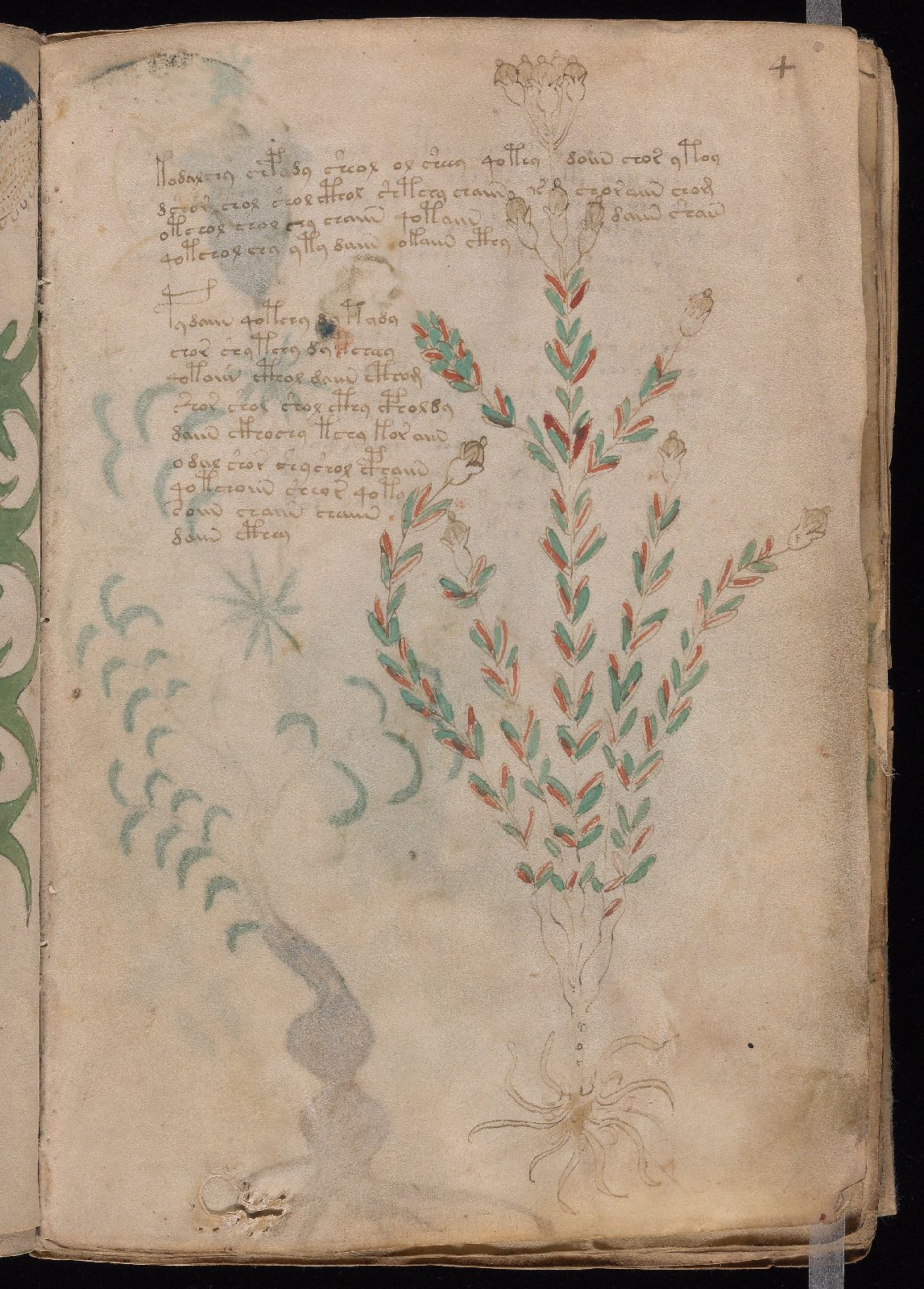
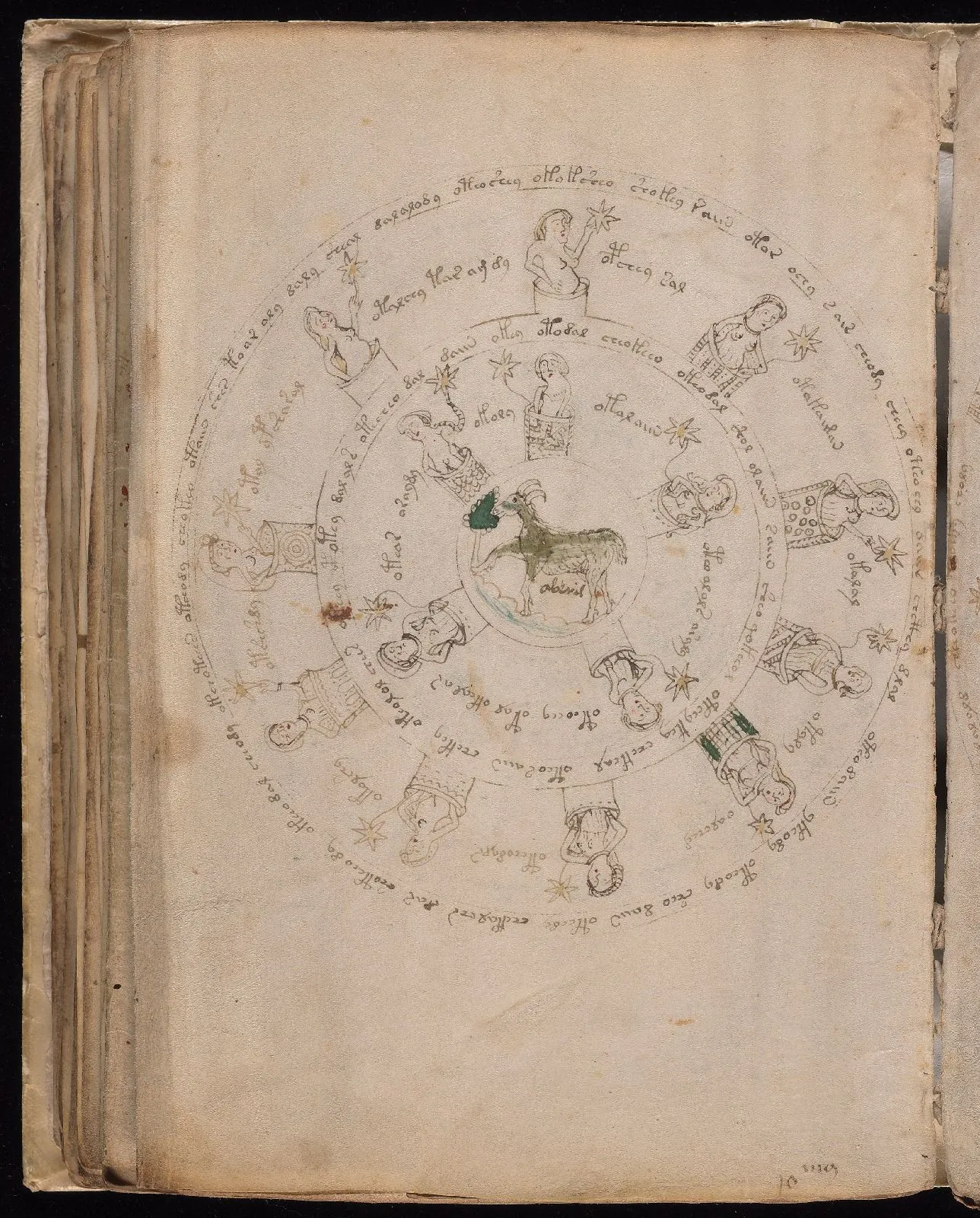
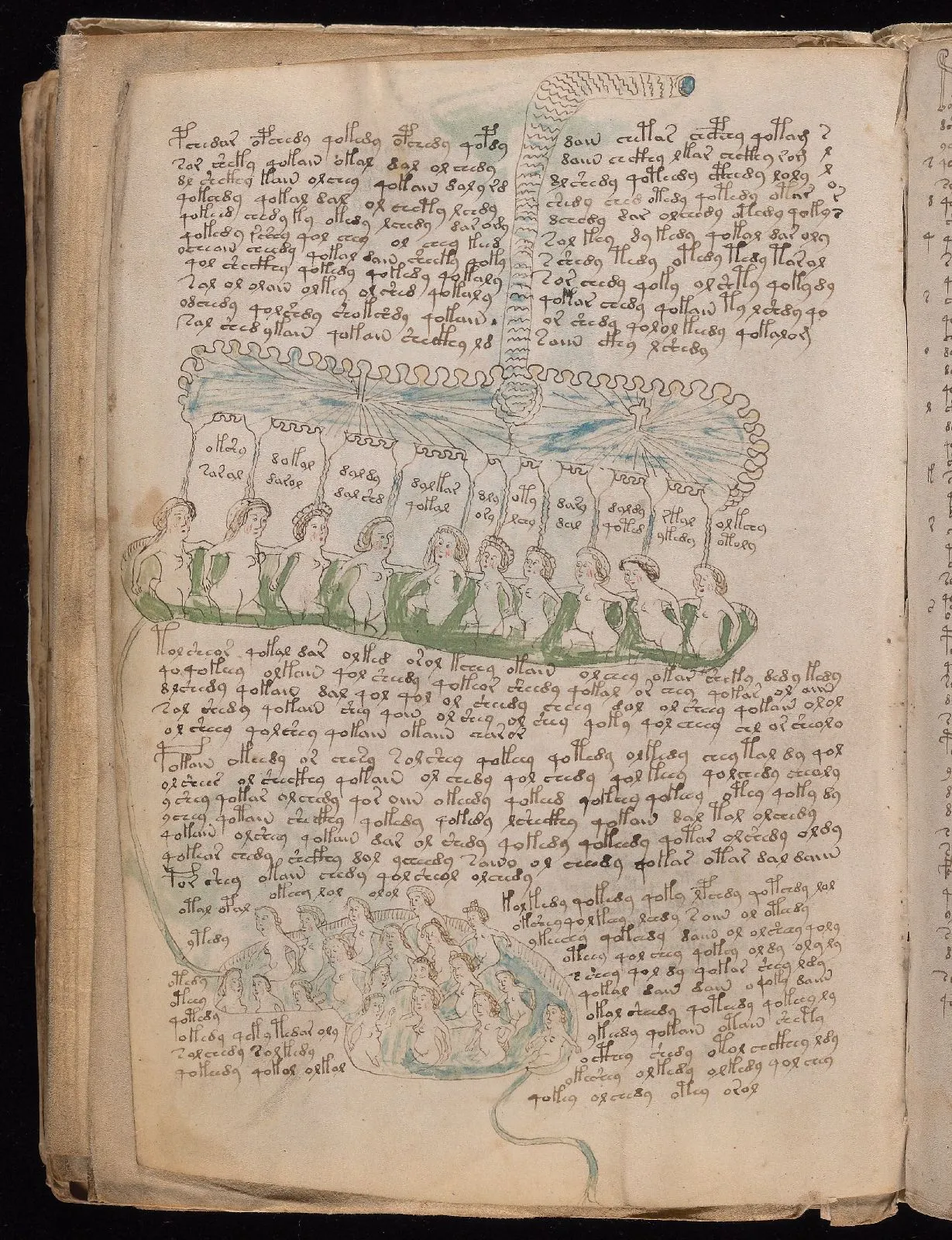
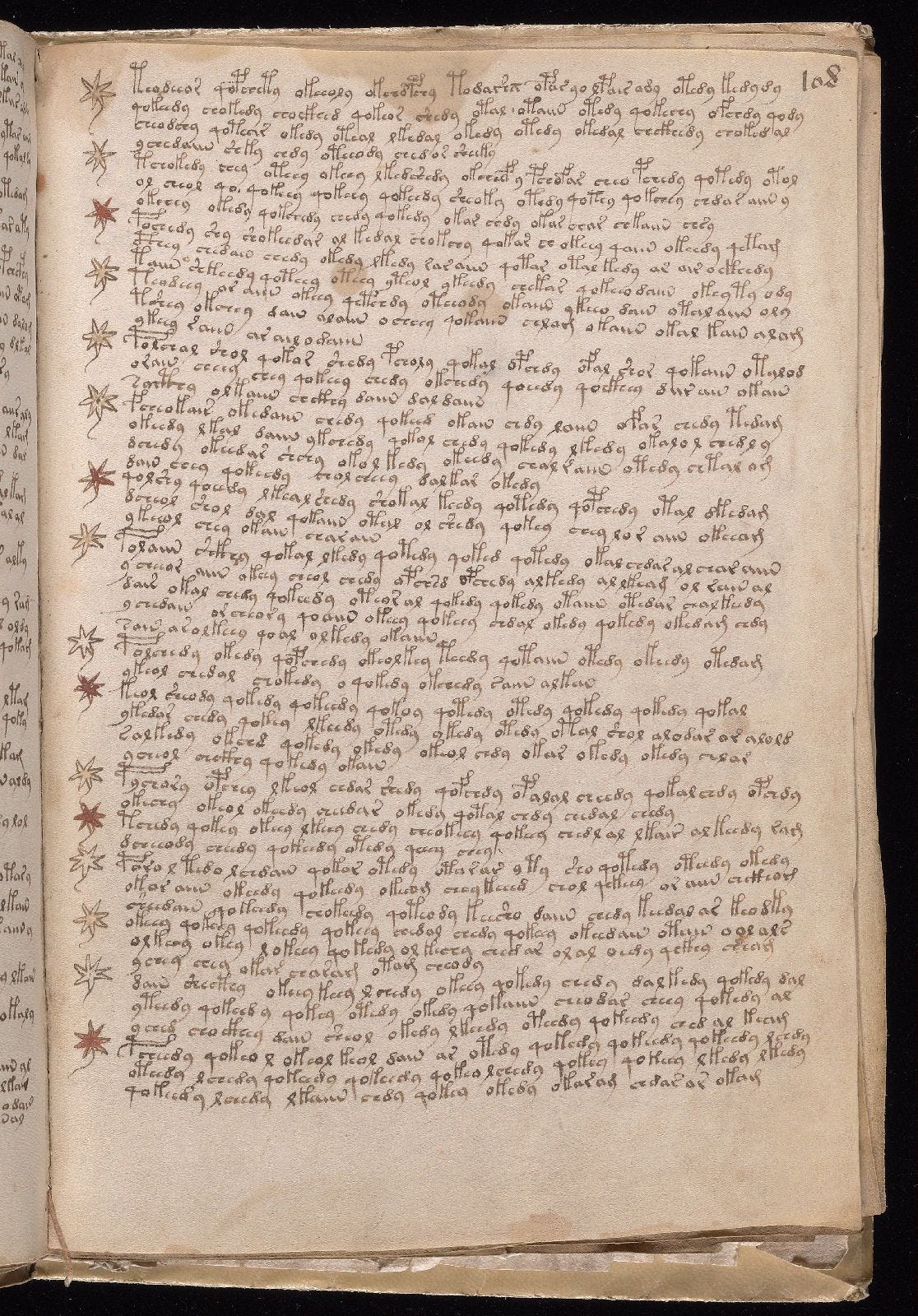
It's a book some 240 pages long, proved by carbon dating techniques to have originated sometime in the 15th century, in the style of the late Italian middle ages. No known author or point of [...]
---
Outline:
(02:14) Background
[... 7 more sections]
---
First published:
October 11th, 2026
Source:
https://www.lesswrong.com/posts/Adxnsud5siZTRAaT3/not-deciphering-the-voynich-manuscriptraft
---
Narrated by TYPE III AUDIO.
---




Avsnitt sparat!
Du hittar sparade avsnitt på Mina sidor.
Kunde inte spara avsnitt
Något gick fel. Försök igen.