Are soft skills more important than qualifications?
When people think about building a successful psychology career, it's easy to focus on degrees, experience and technical expertise. But what if the qualities that matter most are the ones we don't always put on our CV?
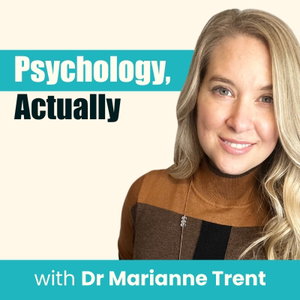
In this episode of Psychology, Actually, I'm joined by Clinical Psychologist Cliff Hawkins to explore why reliability, curiosity, communication, professionalism and emotional intelligence may be the real ingredients of a successful psychology career.
Whether you're an aspiring psychologist hoping to secure your first Assistant Psychologist post, a trainee navigating placements, or an experienced clinician wanting to reflect on what makes teams truly thrive, this conversation is packed with practical insights and honest reflections.
We explore why fresh perspectives matter, how transferable skills can become your biggest strength, why confidence sometimes grows through taking opportunities rather than waiting for them, and why being dependable may be one of the most underrated professional skills of all.
If you've ever wondered whether you're "enough", questioned what you really bring to a team, or worried that everyone else knows more than you do, this episode is for you.
⏱️ Highlights
- 00:00 Why soft skills might matter more than qualifications
- 00:45 Meet Clinical Psychologist Cliff Hawkins
- 01:45 Why trainees and assistants bring fresh thinking to teams
- 03:18 Feeling like "just the trainee"
- 04:44 Why your value isn't defined by your job title
- 06:04 When soft skills become your greatest strength
- 06:47 Why "soft skills" aren't soft at all
- 08:19 Reliability, respect and professional relationships
- 09:43 Marianne reflects on breaking cycles around punctuality
- 11:37 Seizing opportunities and building confidence
- 13:21 Creating your own opportunities in psychology
- 15:24 Why being yourself matters more than sounding perfect
- 16:34 Keeping promises and building trust
- 18:23 The McKinsey 7S Model explained
- 20:49 Using soft skills to strengthen psychology interviews
- 21:31 Where to find Cliff Hawkins
- 22:00 Marianne's reflections and resources for aspiring psychologists
Links:
📲 Click to Follow Cliff Hawkins on LinkedIn: https://www.linkedin.com/in/cliff-hawkins-1b2ba530/
Check out Cliff's Website: www.Cliffhawkinspsychology.com
🫶 To join my podcast membership to get early access to episodes and support the show head to: https://the-aspiring-psychologist.captivate.fm/support or to the Apple Podcasts App: https://podcasts.apple.com/gb/podcast/the-aspiring-psychologist-podcast/id1605628278 or to YouTube: https://www.youtube.com/channel/UCOwjrIP_jatiqlAivJE2mgQ/join
📚 To check out The Clinical Psychologist Collective Book: https://amzn.to/3jOplx0
📖 To check out The Aspiring Psychologist Collective Book: https://amzn.to/3CP2N97
💡 To check out or join the aspiring psychologist membership for just £30 per month head to: https://www.aspiring-psychologist.co.uk/membership
🖥️ Check out my short courses for aspiring psychologists and mental health professionals here: https://www.aspiring-psychologist.co.uk/online-courses
Ask Marianne your most pressing psychology career question and she will send you a FREE bespoke reply! Grab your free psychology success guide here and fill in the most pressing concern box: https://www.aspiring-psychologist.co.uk (scroll to the bottom of the page)
✍️ Get your FREE Supervision Shaping Tool now: https://www.aspiring-psychologist.co.uk/free-resources
📱Connect socially with Marianne and check out ways to work with her, including the Aspiring Psychologist Book, Clinical Psychologist book and The Aspiring Psychologist Membership on her Link tree: https://linktr.ee/drmariannetrent
💬 To join my free Facebook group and discuss your thoughts on this episode and more: https://www.facebook.com/groups/aspiringpsychologistcommunity
Like, Comment, Subscribe & get involved:
If you enjoy the podcast, please do subscribe and rate and review episodes.
Hashtags:
#softskills #psychologycareer #psychologygraduate
⚠️ Disclaimer
This content is for informational and educational purposes only. It does not constitute medical, psychological, or professional advice. Any actions taken based on this content are at your own risk.
© Dr Marianne Trent