Dela

The western Canadian province of Alberta is grappling with the divisive political issue of separation from the rest of Canada.
Indigenous leaders in Alberta are opposed to the idea. And as Dan Karpenchuk reports, the national chief of the Assembly of First Nations recently weighed in on their side.
Chief Cindy Woodhouse Nepinak made her position known during the three-day annual gathering in Ottawa of the Assembly of First Nations.
She told delegates to the meeting that any movement by Alberta to separate from Canada is illegitimate without the consent of First Nations.
Chief Nepinak says First Nations have always stood for Canadian unity and they want Prime Minister Mark Carney to know that.
“We have made it clear that any proposal to separate from any province or territory from Canada is fundamentally illegitimate and unconstitutional without the explicit prior informed and collective consent of First Nations. We need to make him call it what it is because Albertans need to know that if they vote to separate from Canada, that they’re not taking the land with them.”
The chiefs from across the country expressed their overwhelming opposition to Alberta separation.
Nepinak says First Nations chiefs want the federal and provincial governments to protect treaty rights from the threats posed by Alberta separatism.
They passed a resolution asking Ottawa to ensure constitutional procedures that impact First Nations only go ahead with consultation and the consent of affected groups.
They say that the Alberta government has failed to recognize or engage First Nations on the issue, adding that treaty rights would be fundamentally affected by such constitutional change.
Alberta Premier Danelle Smith says she supports a stronger Alberta staying in Canada.
Recently, an Alberta court quashed the approval of a pro-separation petition. The judge found that the province’s chief electoral officer did not properly fulfill his duty to consult with First Nations – and also failed to consider a previous court ruling that said separation would violate treaty rights.
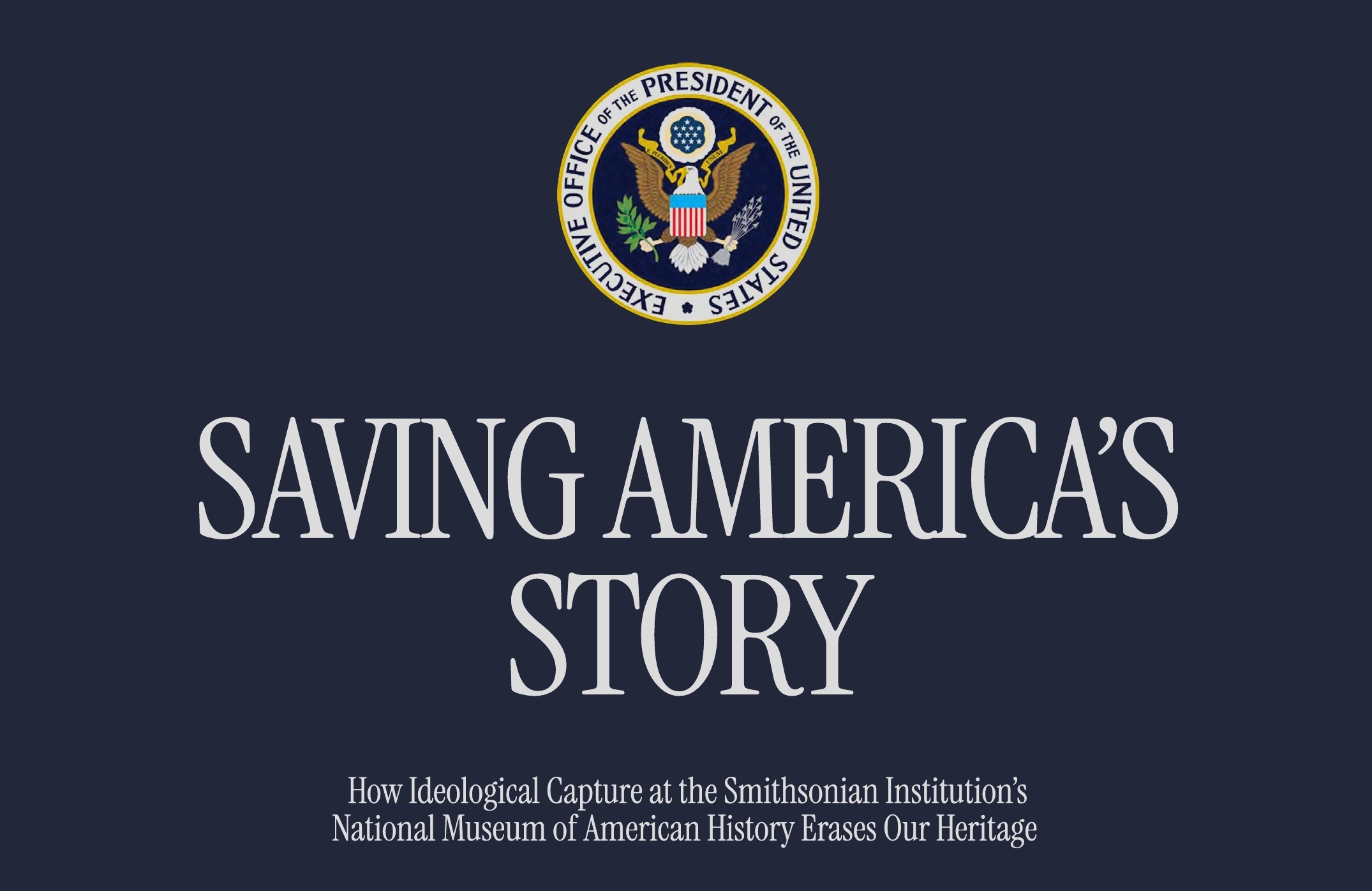 The National Congress of American Indians (NCAI) is criticizing a new White House report that it says misrepresents Native history and ignores the sovereign status of Tribal Nations.
The report, “Saving America’s Story“, was released earlier this month and calls for changes in how American history is presented in museums and public institutions.
In a statement, NCAI Executive Director Larry Wright Jr. says the nation’s history cannot be told truthfully without acknowledging Tribal Nations, the realities of land dispossession, forced removal, federal Indian boarding schools, and other documented chapters of U.S. history.
“Tribal Nations are sovereign governments with a unique political relationship with the United States. This distinction is foundational to the U.S. government’s relationship with Tribal Nations and should never be minimized or mischaracterized. America’s story begins with Tribal Nations. It cannot be told truthfully without us.”
NCAI is urging federal leaders, museums, educators, and the public to reject efforts to revise the documented history of Tribal Nations and instead support accurate historical scholarship and implementation of federal Indian boarding school recommendations.
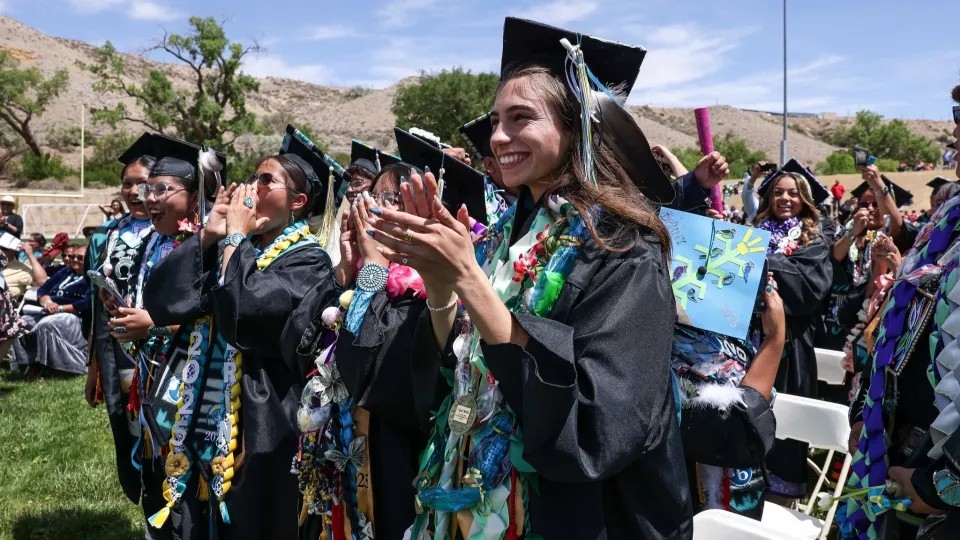
(Courtesy Bureau of Indian Education)
New federal data shows graduation rates are rising at Bureau of Indian Education schools.
Some tribal schools credit career training, virtual classes and more accurate student records.
But Crow Creek Sioux Chairman Peter Lengkeek says severely underfunded schools still depend on the government to fulfill its treaty promises.
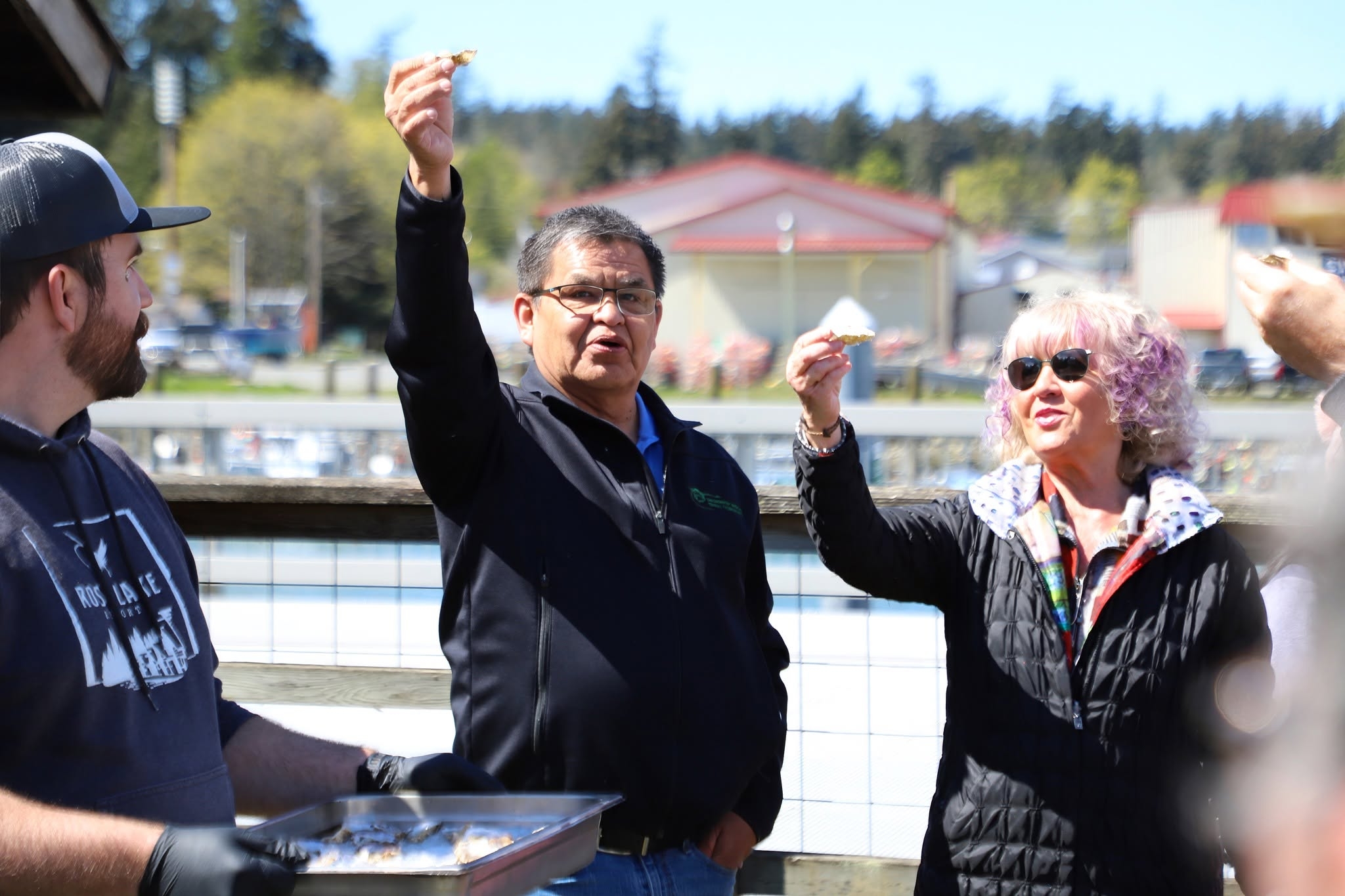
Swinomish Tribal Chairman Steve Edwards and La Conner Mayor Marna Hanneman mark the day with an inaugural slurp. (Courtesy Swinomish Senate / Facebook)
The Swinomish and Squaxin Island tribes in Washington state sued the federal government last week over changes to the Endangered Species Act.
Swinomish Chairman Steve Edwards called the rule “anti-science”, saying weakened habitat protections threaten Chinook salmon and treaty fishing rights.
Get National Native News delivered to your inbox daily. Sign up for our daily newsletter today.
Download our NV1 Android or iOs App for breaking news alerts.
Check out today’s Native America Calling episode
Tuesday, July 21, 2026 – Native in the Spotlight: Laura Tohe
Avsnitt sparat!
Du hittar sparade avsnitt på Mina sidor.
Kunde inte spara avsnitt
Något gick fel. Försök igen.