Dela
Teenage Stroke: When Recovery Feels Like Losing Yourself
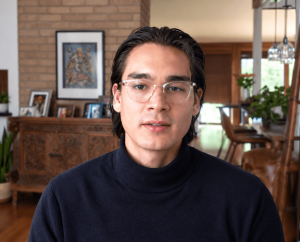
Benjamin Miller was 16 years old and playing football in Texas when a carotid artery dissection changed the course of his life on September 22, 2017. He didn’t know what a stroke was. He didn’t know that the word would come to define the years that followed not because of what it took from his body, but because of what it took from his sense of who he was.
Teenage stroke recovery is not what most people picture. The standard narrative runs like this: young brain, high neuroplasticity, rapid recovery, inspirational outcome. And in some ways, that’s true. The motor and language systems that stroke damages can rebuild quickly in an adolescent brain. But there’s a part of recovery that neuroplasticity doesn’t touch, and that’s identity.
Who Was Benjamin Before the Stroke?
He was a football player. In Texas, that means something. It means a community, a future, a sense of place in the social architecture of a town. When the stroke took that away, it didn’t just end a sport. It ended a version of himself that he hadn’t finished becoming.
“My soul was torn in half,” Benjamin said in this conversation with Bill Gasiamis. It’s one of those phrases that stops you not because it’s dramatic, but because it’s accurate.
“My soul was torn in half.” — Benjamin Miller, EP422
The stroke forced him to grieve something most 16-year-olds don’t have language for: the future self they were building toward. When that future collapsed overnight, he was left with a present he didn’t recognise and a past that no longer pointed toward anything.
Why Teenage Stroke Is Different
Teenage stroke recovery carries a layer of complexity that adult stroke recovery doesn’t always share. Adolescence is the developmental period in which identity is actively constructed; it’s not a fixed thing waiting to be restored. When stroke interrupts that process mid-construction, the survivor isn’t returning to who they were. They’re trying to become someone they haven’t yet figured out how to be.
Benjamin’s experience of turning to substance use during his recovery wasn’t a character failure. It was, as he articulates in this episode, an attempt to manage an identity fracture that nobody around him had the vocabulary to name. When the pain doesn’t have a name, people find their own ways to survive it.
This is one reason teenage stroke recovery deserves its own conversation separate from paediatric stroke outcome data, and separate from the adult recovery narrative. The emotional, psychological, and social dimensions are specific to this life stage.
You might also recognise elements of this in other episodes: the identity rupture that follows sudden stroke in a young person surfaces in Young Stroke Survivor Recovery and Identity Loss After Stroke. Benjamin’s story adds a dimension that’s less often named: what happens when the loss of identity happens before you’ve finished building one.
When the Brain Heals Faster Than the Self Can
Here’s something worth naming a phenomenon the clinical literature notes but rarely centres in recovery conversations.
Adolescent neuroplasticity is real. Benjamin’s brain had the capacity to rebuild physical and linguistic function faster than an older adult’s would. But neuroplasticity is a structural property of the brain. It doesn’t extend to the psychological work of integrating a traumatic experience into a developing sense of self.
The result is a gap, sometimes a wide one, between the physical recovery that others can see and the internal recovery that isn’t visible at all. Benjamin appeared to be “doing well” in many respects while internally carrying a fracture that hadn’t been addressed.
This gap is one of the least-discussed aspects of teenage stroke recovery. If you’ve experienced it, or watched someone you love experience it, it may be the most important thing in this episode.
The Road Back And What It Actually Looks Like
Benjamin’s memoir, Ed and I, available on YouTube, traces this journey. What comes through clearly in his conversation with Bill is that the path forward required him to walk through the things he’d been managing around the grief, the identity loss, the fracture itself.
Recovery, in his telling, doesn’t take you back to who you were. It takes you through who you are now.
That reframe from restoration to transformation is one that many stroke survivors eventually arrive at. Bill’s book The Unexpected Way That A Stroke Became The Best Thing That Happened documents ten tools for exactly that kind of recovery.
For more episodes touching on identity and recovery: Emotional Recovery After Stroke Mistakes, Identity After Stroke — Cassie Jewell, Stroke With No Warning Signs — Tom Ballo, Losing Confidence After Stroke, and Stroke Brain Healing Neuroplasticity.
Listen to EP422
This episode doesn’t pretend that recovery is a clean arc or that there’s a single turning point you can point to. What it offers instead is something more honest: the lived texture of finding yourself again when you’re not sure who you’re finding your way back to.
Listen to EP422 of the Recovery After Stroke podcast wherever you listen.
If a stroke or any trauma has made your world feel smaller, Bill’s new book Your World Doesn’t Have to Stay This Small is a practical guide to rebuilding your life, even when you’re not ready. Find it on Amazon at mybook.to/yourworld.
If this show has helped you, you can support it at patreon.com/recoveryafterstroke.
This blog is for informational purposes only and does not constitute medical advice. Please consult your doctor before making any changes to your health or recovery plan.
Benjamin Miller on Identity, Substances, and Finding His Way Back
“My soul was torn in half.” Benjamin Miller had a stroke at 16 and lost more than football here’s how he found his way back.
Highlights:
00:00 Introduction – Teenage Stroke
09:01 The Day of the Stroke
11:56 The Loss of Identity
17:12 Coping Mechanisms: Alcohol and Escapism
22:37 COVID-19: A Blessing in Disguise
28:57 The Journey of Healing Begins
32:40 Facing Uncomfortable Emotions
38:45 Spiritual Awakening Through Adversity
42:34 The Power of Breath and Movement
47:35 Building Community in Recovery
55:39 Finding Belonging and Understanding
59:12 Creating a Path for Self-Healing
Transcript:
Introduction – Teenage Stroke
Benjamin Miller (00:00)
when I was told that by my father that. It felt like my soul was torn in half, because like I always saw myself as a student athlete and the bigger part of that was the athlete. And now I lost half of my identity and. I just didn’t know how to as a.
17 year old now like how to move forward with life and I didn’t know who I was and the only thing I defined myself as was taken away from me
So now I was just like in this weird place where I felt like I was drowning on a day-to-day basis.
Bill Gasiamis (00:33)
hello, everybody. Welcome back to Recovery After Stroke. I’m Bill Gasciamas. My guest today had a stroke at just 16 years old, a carotid artery dissection that ended his football career and cracked his sense of who he was, right at the age when most people are just beginning to figure that out. Before we get into it, if you’ve been finding value in this podcast, my new book is out now. It’s called Your World Doesn’t Have to Stay This Small.
A practical guide to rebuilding your life after trauma even when you’re not ready. You can find it on Amazon by searching my name or you can click the link in the show notes. Now it’s on to the episode.
Bill Gasiamis (01:14)
Benjamin Miller, welcome to the podcast.
Benjamin Miller (01:16)
Sir, thank you for having me.
Bill Gasiamis (01:19)
Tell me what’s regular life like for you before the stroke?
Benjamin Miller (01:26)
Yeah, I mean, when I had my stroke, I was 16 years old and I was in my third year of high school. So it was really comprised of just school, going to school every day and then playing sports after school. Like through the school, would play American football. I played baseball earlier in my life. And then towards the end of my high school, I just continued to play American football because I had the goal of following in my two older brother’s footsteps.
for playing football, American football, in college at that time. So I just saw myself as following their path and going to play college football. And that’s what I was chasing throughout high school.
Bill Gasiamis (02:09)
How long ago was that? The stroke?
Benjamin Miller (02:12)
It was 2017,
the fall of 2017. So
Bill Gasiamis (02:16)
Okay.
Benjamin Miller (02:16)
coming up on nine years on the 22nd of September.
Bill Gasiamis (02:23)
I I expect that stroke is the last thing going through the mind of a sixteen year old and the family of a sixteen year old. So
Benjamin Miller (02:34)
Yeah.
Bill Gasiamis (02:34)
w do you have any recollection of what it was like on the day of the stroke? Was there some kind of sign, was there anything that gave you an inkling of something being wrong before everything happened?
Benjamin Miller (02:53)
maybe like right before, because just playing American football, you’re always hear about head trauma and just CTE and concussions. And that’s always the biggest worry for playing football. But it was during the game that Friday night, it was the second game of our football season. And it was in between the first quarter and second quarter. And I came over to the bench and like in between going back on the field, our coach like brings the
offense or defensive units together and we like talk about any in-game adjustments and I came over and sat down on the bench and I just noticed my balance like start to tip like I was having to stare down at my feet in order to stop myself from falling over and Yeah, just from there like I like grew up in a
Society like especially in football. It’s I don’t know if I surround football is the same but just no pain no gain so
Bill Gasiamis (03:51)
Mm-hmm.
Benjamin Miller (03:51)
you’re always pushing yourself to your limits and That was like a saying that I grew up in if you’re hurt you can walk off the field if you’re injured you can so unfortunately, I played until I go back on the field and The first or second play of the next series I
help my teammates make a tackle. get back up to my feet and then I collapsed face first and at the ground. And from there, I, I’m able to like the trainers obviously come on the field and help me to the sideline and they’re running concussion tests, asked me, what’s your name? Where are you? What are you doing? And I’m answering every question. But even at that early stage, I mean, it was just like, that’s like when the initial carotid dissection happened.
It was probably in the guy, my teammate I was playing next to actually, he went on to study pre-med and he saw my aphasia on my face and he’s told our other teammates that Ben is having a stroke, but who’s going to listen to a 17 year old kid? And like we had a team doctor on the sideline, the trainers, no one really knew what was wrong with me. They just thought it was a severe concussion. So that’s what it was treated as.
So I spent probably 20 to 30 more minutes on the sideline. And before I was, yeah, it was just like a, just a failure on the part of the adults around me at that time. And yeah.
Bill Gasiamis (05:28)
Yeah, rough. The dissection that happened do you think it might have been from a collision during the game or what what’s the thinking behind the cause of the stroke?
Benjamin Miller (05:42)
Yeah, that’s something like a question that I’ve like both my parents and myself as I’ve always had, but it just never could be answered. Whether it was just from like one hit. saw a chiropractor for the first time at the beginning of that week, like the Monday before the injury. So maybe like a neck adjustment caused it or maybe like it could have been genetic.
So like that’s what my parents’ biggest concern was, was having my two older brothers still playing college football at that time. That if it’s genetic, is there a chance that it can happen to our two other sons? But they
Bill Gasiamis (06:19)
Yeah.
Benjamin Miller (06:20)
just…
Bill Gasiamis (06:21)
Sorry, Ben, I was gonna say yeah, it I know what you mean about genetic in that sometimes people’s carotid arteries for no reason do dissect. and sometimes I’ve heard the connection with chiropractic, there’s been a few well, it’s very well documented people going for adjustments. The thing about the adjustment is it’s never known whether or not
the person was feeling something in their neck because of a dissection. They went to the chiropractor, they had an adjustment, and then it caused the situation to get worse, or do you know what I mean? Like it may not have totally been linked, but I get that. I’ve met people who have had dissections who had no injury, had no adjustment,
They just had a dissection. So that’s a thing. when you went to the chiropractor for the neck adjustment the week before, was it because you had an issue that you needed to deal with? Was there some kind of pain that you were experiencing?
Benjamin Miller (07:29)
Yeah, I mean, I was actually dealing with lower back pain. So one of my teammates recommended me to a chiropractic, but he adjusted my whole back all the way up to my neck. So it wasn’t like, I wasn’t going there for a neck adjustment, but he just happened to do one while I was in there.
Bill Gasiamis (07:47)
Yeah, which is pretty standard procedure for a chiropractor. If you go there, you get your neck adjusted. Okay. so then you’re sitting on the sideline for another twenty or thirty minutes, and then what happens? How do they finally decide something’s not right?
The Day of the Stroke
Benjamin Miller (08:06)
Yeah, so just after that time period, the team doctor called my parents down to like in Texas, like we play in like massive stadiums even as kids. So he called my parents down to like the railing of the stands to the field and told my parents to bring our family car so they could take me to a local clinic. And as I’m walking out of the stadium, I
Like there’s like a incline up to get out of the stadium because it’s kind of like a bowl shaped and I can’t walk up like a 15 degree incline. Like I started like tipping over to my right side. So then they have to bring a athletic cart. They sit me in the cart and there’s like a trainer sitting behind me, holding me upright so I don’t slump out the side of the cart. And it was probably like a 15 meter ride to my parents’ car. And my parents saw me from there and drove me straight to the emergency room at a bigger hospital.
And from there I was, I would say in the emergency room prior for like two, three hours and they were running CT scans of my like base of my skull up. So they didn’t see the actual carotid.
Bill Gasiamis (09:16)
What
Benjamin Miller (09:17)
Yeah. So it was like with everything, how everything happened, like I’m so lucky to be here and be able to move and be able to speak and. But yeah. So then probably I probably got hurt around.
8 p.m. and it was around 12 a.m. where they finally called downtown to the bigger hospital in Houston, downtown Houston and a neurosurgeon on call that night said he’s having a he had a carotid artery dissection so then they life flighted me down and on the life flight down to Houston to downtown that’s when I lost consciousness in the helicopter so
Bill Gasiamis (09:54)
Mm.
And then at some point you wake up in hospital,
Benjamin Miller (10:00)
Yeah, I
woke up in the ICU probably, this happened Friday night, I would say maybe Monday morning. So I was unconscious for a couple days.
Bill Gasiamis (10:11)
Mm-hmm. And then after that, what are you dealing with? You wake up, you’re told you’ve had a dissection, a stroke, and then what are you dealing with physically? What’s not happening for your body?
Benjamin Miller (10:28)
lost all use of the right side of my body. So it was just immediately starting rehab, rehab. And
Bill Gasiamis (10:36)
Mm-hmm.
Benjamin Miller (10:37)
yeah, I mean, I was just going from like being on the verge of being a higher level athlete to my right side, going back to like, I was always describing it as like a newborn.
Bill Gasiamis (10:49)
Mm-hmm.
Benjamin Miller (10:49)
I didn’t know how as a 16 year old to really handle that. I mean, it took like
In the beginning, it was easy because I was so focused. Like I believed I was going to play American football again. So I was just like so committed to the rehab and doing therapy multiple times a day and just really just with that goal of getting back on the field. So the really the early days are really driven by that want to get back on the football field.
The Loss of Identity
Bill Gasiamis (11:20)
Was there a moment you had the realisation that it’s not going to happen and what was that like?
Benjamin Miller (11:27)
Yeah, probably in June of 2018, I had a follow up with my neurosurgeon and before we went in to go see him, because I was supposed to, I got hurt September of 2017. So about nine months later and my parents sat me down and told me, Ben, when we go see your neurosurgeon tomorrow, he’s going to tell you after retire. And that was, yeah, that was like a very, I didn’t know how to deal with that as a 17 year old.
Like very soon after that I fell into alcohol use and then, yeah, just progressed from there.
Bill Gasiamis (12:04)
Got it. And by nine months later, were you up on your feet? Had you recovered the deficits or were they still there?
Benjamin Miller (12:15)
Yeah, I mean, I was lucky that I was 16. So my brain was still very plastic and I recovered like really I was in a wheelchair for the first day. Like September 23rd, I was in a wheelchair. I mean, like probably like just one day after. And then I was up and walking on day two and just like my strike pattern of the ground wasn’t correct. Like I would swing my leg and have drop foot as many stroke people patients suffer with.
but I wasn’t gonna let the stroke, like the people around me seeing me as still struggling from the stroke. So even like the early days in the hospital, I just hide it from everyone. Anytime my parents or my friends or anybody, my brothers would ask, how am I doing? I just tell them, I’m okay, I’m fine. You don’t need to worry about me. Which then led to me needing to find a release in alcohol later on the line, so.
Bill Gasiamis (13:10)
The whole I’m fine, you don’t need to worry about me was so that you can convince yourself perhaps and them that you’re good to go, you’re ready to just slide back into life exactly the way that you were.
Benjamin Miller (13:24)
That’s definitely it.
Bill Gasiamis (13:27)
Yeah. But you clearly weren’t okay if you’re we’ll talk about the alcohol in a moment, but you’re clearly not okay. What are you experiencing psychologically or emotionally that you’re hiding from them? Like what’s actually happening in that moment?
Benjamin Miller (13:44)
Yeah, Maybe just. It was more so from the retirement from football. It felt like when I was told that by my father that. It felt like my soul was torn in half, because like I always saw myself as a student athlete and the bigger part of that was the athlete. And now I lost half of my identity and. I just didn’t know how to as a.
17 year old now like how to move forward with life and I didn’t know who I was and the only thing I defined myself as was taken away from me and along
Bill Gasiamis (14:21)
Mm.
Benjamin Miller (14:22)
with like missing a whole semester of school. It was just like I just stopped caring about school too. So now I was just like in this weird place where I felt like I was drowning on a day-to-day basis.
Bill Gasiamis (14:36)
Setback after setback. It’s not that you become unwell and then you wake up in the morning and you just can’t play football. It’s also you’ve missed school, so you’re gonna go back and probably repeat that. Your friends have moved on. They’re doing what you know, seventeen year olds do, playing football, going out, doing their studies, who knows what they’re doing. You’re
You have to pick up the pieces and there’s a lot of pieces to pick up, right? There’s so much. The alcohol did it was it something that you did before this incident in in that had you as a sixteen year old had alcohol before? I know most kids would have at some point in America, in Australia, by the time they’re sixteen, they’ve had a drink. Had you had a drink before that?
Benjamin Miller (15:29)
I didn’t actually just with the role models that my brothers were, were very straight edge guys, like just focused on the goal of
Bill Gasiamis (15:38)
Mm-hmm.
Benjamin Miller (15:39)
college football. And so like I was very much the same way, but after just the injury, being around my friends and not having like those same like level of role models in the same house that I fell into the, just down the wrong path. I won’t.
say it’s my friend’s fault because it was…
Bill Gasiamis (15:59)
Yeah.
Benjamin Miller (16:00)
yeah, but it was…
Bill Gasiamis (16:03)
Sounds like it’s still tough talking about it.
Benjamin Miller (16:07)
Yeah, at times. Like sometimes it’s easier, sometimes…
Bill Gasiamis (16:12)
Hmm.
With the I’m not sure. I’ve never I’ve drank and I’ve drank a lot to be drunk and I’ve drank too much where I’m completely gone and I don’t drink since the stroke. What’s the what’s it helping you do when you have a drink? Is it helping you forget? Is it helping the emotional part of it? What is it kind of putting a cloud over or
And kind of stopping from coming forward.
Coping Mechanisms: Alcohol and Escapism
Benjamin Miller (16:46)
Yeah, it was just, I mean, I would drink to escape, to be honest. It was just like my way to stop feeling the stress of how much I have to recover, the stress of how do I get back? How do I show people that I’m fine, that the stroke didn’t affect me? And it was just like a couple hours out of the night where I could just not feel any of the stress of me trying to hide the…
Just the emotional pain of not knowing who I was and not knowing how to move forward with my life without football, without sports, without like the level of a student I used to be because I was just very, I was a perfectionist growing up and had to make the best grades in class, had to be the best on the football field, had to be just the strongest in the weight room. So I just didn’t know how to move forward without.
trying to show everyone I’m still this perfect version of myself and just as Ben, the not perfect kid, the one who’s still fighting from what
Bill Gasiamis (17:51)
Mm.
Benjamin Miller (17:51)
he’s been through, but he’s not perfect anymore, even though.
Bill Gasiamis (17:55)
You never were perfect, but you at least were more capable of pulling off the facade, you know, because you did have good grades, because you were an athlete, because you always worked on improving things. So the th the the time that you were drinking gave you a little bit of relief from all the things that were kind of happening.
in your head that you needed to kind of quieten down. And then did that escalate? Did it go from a small amount to a larger amount and then and then kind of how bad did it get?
Benjamin Miller (18:38)
Yeah, I mean, over my senior year of high school, it did escalate to abuse. I go solely on the weekends, like Friday night, Saturday night. But then beginning university and the fall of 2019, it was five, six nights a week. I would be drinking till I would be most nights just blocking out. So I didn’t remember what happened the night before. And then even waking up in the morning, it was.
That’s the only thing I could think about was just making it back, getting through class, making it back to the nights where I could drink till I wouldn’t feel anything. And that continued through the end of 2019 and into the beginning of 2020, I joined a fraternity. And that’s when I noticed myself like really start to spiral, started to get into, like tried cocaine a couple of times, like was still drinking every night. And like that’s why COVID was like a lifesaver for me.
that I could go home and, you know, because like I was on a very bad path at school.
Bill Gasiamis (19:45)
So you’re already heavy drinker, then you join a fraternity.
Benjamin Miller (19:50)
you
Bill Gasiamis (19:51)
You’re the perfect candidate for being in an in a fraternity, right? And you
Benjamin Miller (19:55)
Yeah, it was a mess.
Bill Gasiamis (19:57)
can yeah, you can see why that would escalate it because already the culture is about drinking, about partying, about being loose or crazy or whatever. And it makes sense that it would escalate and get
really bad and get worse and then you try other things. And then COVID happens.
And then that gives it the opportunity to have a bit of a break in the cycle.
Benjamin Miller (20:27)
Mm-hmm.
Bill Gasiamis (20:28)
Your studies up until COVID, even though you were drinking heavily and probably parting too hard, were the studies being affected or were you still able to put out good work?
Benjamin Miller (20:42)
I won’t say good work, but just grades that were good enough. Like not failing classes, but not excelling. just like
Bill Gasiamis (20:49)
Mm-hmm.
Benjamin Miller (20:50)
B’s and C’s, maybe one or two A’s. just like for like the stand, like my perfection standards that I used to have, like just like kind of skating by.
Bill Gasiamis (21:02)
I l I love the sound B’s and C’s skating by. Dude, if I was getting B’s and C’s when I was at school, my God, that would be amazing. but I it gives me a good insight into like what the expectation of yourself is. I totally get it. Okay. So you’re skating by, you’re getting your grades. Does anyone n realize how bad things are? Like people in your periphery, your family going
Ben, we’re concerned about you. We think we need to talk. Was it any of that stuff or were you hiding it?
Benjamin Miller (21:36)
I was very good at hiding it from everybody. really like, I didn’t let anybody at that point, like that early on in the journey, like anybody see what was going on underneath. Cause I didn’t understand it I didn’t have the ability to verbalize what I was going through emotionally, what I was going through mentally. So it’s like at that point I was even hidden from myself. I’d go that far.
Bill Gasiamis (22:02)
Wow. You had to saved yourself in thinking that everything is normal, perhaps.
Benjamin Miller (22:07)
Yeah, I just thought like the more time that goes by like Everything will be okay without me having to do anything especially like at that time
COVID-19: A Blessing in Disguise
Bill Gasiamis (22:17)
Mm-hmm. And then COVID happens. Why is that a blessing in disguise? How did it change things for you? And then we’ll talk about what what you have to deal with after that. But at the ma in that moment COVID comes along and it changes something for the better.
Benjamin Miller (22:37)
Yeah, in March of 2020, I go back to Houston from I was at school in Chicago, Illinois. And from there, it’s just like just being at home with my both my brothers are back at home and in our old house. It was just nice the first time since like 2016 since my oldest brother left for school. That we’re all together again, and I could just
get out of that environment that I knew I was spiraling and I still wasn’t in a better place at home. I’ll still.
struggling with like I started using performance-answersing drugs at the beginning of that year too. Just to, I thought that if I big, like built my muscle and strong, like really strong, that my effects from the stroke would also heal. So I just spent like two, an hour to two hours every day in the gym just, yeah, just like over that period of time from March of 2022, December of 2020.
just going to the gym every day and just trying to put on as much muscle as possible because I thought that would help me heal. And yeah, it didn’t.
Bill Gasiamis (23:52)
It didn’t Did you get bigger?
Benjamin Miller (23:56)
Yeah, I mean, I was I don’t know. And I would say I got up to like 100 kilos, like 220
Bill Gasiamis (24:02)
Okay.
Benjamin Miller (24:02)
pounds.
Bill Gasiamis (24:04)
Yeah. So you got bigger you achieved that thing, so visually it may have looked like you were achieving something, but you didn’t feel better.
So
Benjamin Miller (24:15)
So.
Bill Gasiamis (24:16)
what what did it feel like still? What does it feel like in your body when you’re gone back home, everyone’s together, you’re hitting the gym, you’re using performance enhancing drugs. What does that feel like? Does it feel like a letdown, a disappointment, or I’m not quite there yet? What what does it feel like?
Benjamin Miller (24:37)
I would say like, I’m not quite there yet. Like just always chasing a ever moving goal that like, as soon as it got closer, just like move further away. But I never like step back to like actually look at what I was chasing and realize that’s not what I’m supposed to be chasing. I need to be just turning around to my internal world and focus on healing myself from the inside out versus trying to do all this, put on another mask.
do another substance, put another thing in my body, chase another goal, external goal, to try to heal versus turning around and looking inside. So that took many years.
Bill Gasiamis (25:19)
Hmm. I love that flip that you said healing from the inside out instead of putting on another mask. And that’s really profound to get to that stage where you when you realize that. and at the same time when you were hitting the gym, getting bigger, your right side, is that feeling different? Do you have deficits on that side still?
Benjamin Miller (25:47)
Yeah, I would say at that time, yes, I was still very tight through my whole right arm and right leg. Still, like anytime I went up a stair, I got hit my right foot on the top of the step. So it was like, and I just thought the more like just being a no pain, no gain mindset stuff, I’m in pain
Bill Gasiamis (26:08)
Mm-hmm.
Benjamin Miller (26:08)
and I’m going to be recovering. I’m going to be gaining. And yeah, it just was.
And like the more muscle I put on the tighter it became because just the range of motion wasn’t right through my shoulder and through my hip. I was still swinging my leg, still shoulder hiked forward versus like pulling it back and letting gravity work, like working with gravity instead of fighting it. So that was.
Bill Gasiamis (26:33)
Yeah.
Yeah. I know what you mean because when I’ve been to the gym after the stroke, it’s I I tend to kinda achieve one thing and then the muscles get so tight that I’ve got to go and have a massage and try and loosen them up and try and get them moving again. And then it’s like that one two day recovery after you do your arms, for example, and your chest takes four or five days and it’s like back at the gym already.
And I still haven’t overcome or recovered from four days ago. And it’s really challenging and frustrating. It kind of makes it kind of makes it harder to go back to the gym. You’re all I’m always thinking about, I’m gonna go there and it’s I’m gonna just tighten everything up and I’m gonna put myself in that situation and it’s not gonna recover. And I’m gonna have to get massage again. And it’s just this whole loop of.
It’s very it’s very helpful, but it’s also something that has to be managed completely differently than it used to when you go to the gym and you recovered for two days and then you’re back again. and before we move on to the kind of the next phase of the conversation, I also wanna kinda understand this perfectionism in you on the field, off the field field, at school. Where did that come from? What
Do you have like a sense of how that started and why it was a thing that you adopted and ran with?
Benjamin Miller (28:12)
I would say that just watching my two older brothers grow up and seeing like in my like kid eyes, they were like the perfect human being, like the perfect role models. Like I just tried to be like them in every way. And I always thought that they were like so up here and like, didn’t know like, I was three years and two years younger than them. So they hit puberty before me. just at the time that my oldest brother, Alex left for school, I would still be like,
at his like chest level, always like looking up to them. So they were just like gods in my head. And I always would ask myself, how do I measure up to them? And because they were perfect in my eyes. So was like, I to be above perfect
to
The Journey of Healing Begins
Bill Gasiamis (28:57)
Mm-hmm.
Benjamin Miller (28:57)
be recognized as like their brothers. I got, it’s like always the bar I was chasing and yeah.
Bill Gasiamis (29:08)
And now you know they weren’t perfect, they were just bigger and older than you by three years and two years. Yeah. so then you have this realization that the healing has to start from the inside, but that’s gotta
Benjamin Miller (29:26)
Mm-hmm.
Bill Gasiamis (29:26)
be is that a relief that you work that out? Is that what what am I gonna do now? How how do you gr grapple with that?
Benjamin Miller (29:37)
Yeah, I’d say like, I had the, I know if I hit rock bottom, but I had to go even lower before I came to that realization. So I mean, yeah, like 2021 was probably the one of the lower lowest points. So it’s a, so like going back to school in January of 2021, I got into stimulant use at the same time as the performance enhancing drugs at the same time as alcohol and then marijuana came into the picture too. So I was just using like
a cocktail of drugs just to get through a day. And I ended up that winter quarter, I did make the Dean’s List at school. was like the top performer, but I remember just like looking at that email and like, I have like all the external achievement again. And I was even more, like I was lower. I got a lower place emotionally and mentally and like felt so empty inside that I knew that this isn’t
what I’m supposed to be doing at this point in time. So I went on medical leave from school like pretty soon after that. And that’s where I would say where the healing process really began was in the summer of 2021. And yeah, I mean, it’s been, I thought it’d take like in the beginning, the healing process would be like six months, but it’s been around five years that it’s taken me to be honest. So four years of just.
sliding down and I would say like I might have like and like the healing process too has been like trying to make it up and then still falling and going back up. So it’s never a straight line for
Bill Gasiamis (31:19)
Never linear.
Benjamin Miller (31:20)
me a long time to recognize that let’s focus on the trend.
Bill Gasiamis (31:25)
Never linear man, far out. you you still make it on the Dean’s list, that’s cool. But I I get like it even under duress, you know, you still make it on the Dean’s list. And then you have this realization and it’s like you hear that analogy, you know, things are gotta get worse before they get better.
Benjamin Miller (31:48)
Yeah.
Bill Gasiamis (31:50)
Dude, like how much worse can they get? Why should they get worse? Why can’t we just start improving from here? But is it’s for you the worst part? Was it about reconstructing from the beginning and then you therefore you have to get to the bottom because you can’t kind of reconstruct from b you know, above the bottom?
Facing Uncomfortable Emotions
Benjamin Miller (32:13)
Hmm. Yeah, I mean, I would say in a way like I would say like the first over that summer of 2021, I just focused on like I was doing a lot like yoga almost every day, and that was the first time I started meditating in my life and working on like that’s really where my rehab started was just a lot of breath work, a lot of meditation, a lot of yoga, just to.
begin to be able to sit with the emotions and the mental states that I couldn’t tolerate. And like at that early point in time, I still couldn’t tolerate it. still like so uncomfortable that I still had to go use marijuana just to get through the days. But it was just the beginning of that process of being able to tolerate what I had been running from through alcohol, through stimulants, through performance enhancing drugs for so long that like I was still inputting a substance into my body, but
I could begin that process of sitting with it, even if it was for a minute. And those early days, two minutes, three minutes became 10, 15, 20, which then continued to expand longer. And the more just times I came back to sitting with those uncomfortable states.
Bill Gasiamis (33:26)
Yeah, wha what is it about being uncomfortable that people can’t handle? Do you think maybe you can tell me from your perspective? because you hear that, it’s almost ridiculous to hear somebody saying, I have a thought, it’s making me uncomfortable, I have to get that thought out. Yeah, I’ve b I’ve been there, so I’m not saying that
Benjamin Miller (33:47)
Thank you.
Bill Gasiamis (33:49)
people shouldn’t be doing that, but it almost does feel crazy, doesn’t it? Because it’s a feeling and a thought
that makes you uncomfortable doesn’t necessarily put you in danger. But
Benjamin Miller (34:01)
Mm-hmm.
Bill Gasiamis (34:02)
we can’t do that. Like, do you have a any inkling as to why why philosophically that might be the case?
Benjamin Miller (34:13)
I mean, would just like our autonomic nervous system, a danger, like a physical danger versus a mental danger. can’t, our physical body can’t tell a difference. So they’re treated the same. And I would say like this.
Yeah, so like just like uncomfortable, like state of mind or uncomfortable thought. just as humans, we prefer to be in a place of comfort, a place of safety. And so anytime something is uncomfortable, we tend to run in the opposite direction back towards what is known, what is comfortable, what is safe. And it’s like, that’s something I always like ask myself, like, how do I make my, what can I do today? That’s uncomfortable, but not
like to the point that I lose myself and I just go off the deep end and where I’ve been. So just like a weird and like, feel like that place changes every day. It’s just like a balance that’s always, yeah.
Bill Gasiamis (35:16)
I get what you’re saying. So a a thing that is scary and dangerous, a physical thing, a bear, a tiger, you run. You can run away from that. If you’re lucky, you’ll outrun it, right? And then
Benjamin Miller (35:30)
Thank
Bill Gasiamis (35:30)
you’re safe. And then there’s no bear around and there’s no tiger around. So you’re good. You’re good to go. You can just move on with life. But when the body is confusing thoughts and feelings with the same type of
Imminent danger, and you can’t run away from it, and it’s still there. You have to find a way to either escape it, which is short-lived because we’re harming ourselves to escape it, or you have to remind your body and yourself, your mind, that in fact you’re not in imminent danger. There’s nothing to run away from. This is
An obstacle that I can tackle and overcome. Like it might just be on the path to, you know, that walk in the wilderness instead of a bear, it’s actually just a fallen log. A tree fowl, it’s an obstacle. I’ve just got to find a way around it, under it, over it, whatever. And if you’ve never used that muscle, then you don’t know how to do it.
And then you get stuck behind something like a log that
should not be as debilitating as it is. It should be something that you can find a way over. At 16, that’s understandable that, you know, most people haven’t dealt with real exponential life problems, you know, that just keep getting worse and worse. That changes your identity. They haven’t dealt with that. So they haven’t developed the skill. So could it just have been a case of you were a little premature?
just from age an age perspective that y all you needed to worry about was playing football and and and studying and now you’ve got to deal with these existential issues, you know, that most people aren’t equipped to deal with at sixteen.
Benjamin Miller (37:38)
Yeah, mean, yeah, that’s like one thing in March of 2018. So about six months after my stroke, my mom took me to a neurosurgeon and he said, the good thing is that Ben is young and the bad thing is that Ben is young. And both of us didn’t really understand what he meant at that point in time, but just like the spiritual and existential journey that the stroke has taken me on.
It’s that’s like been like both like the scariest and most comforting piece of the journey. Just because like I was never a spiritual person and not like in terms of religion, but just like believing in something higher, something bigger than me, some energy source that’s larger than us as human beings. And that’s been like the most like the biggest part of the journey, like the emotional side, the mental side, the physical side, we’re all.
And like, I’m still on those journeys, but just like the spiritual side of it has been, yeah, just something I wasn’t expecting.
Spiritual Awakening Through Adversity
Bill Gasiamis (38:45)
Yeah. It is kinda good that you discovered it early, but the path to discovering it is, man, so hard to have to go through what you went through to to have these learnings and understandings. and then to learn that if you tackle the thing that you’re most afraid of, you can actually conquer it. You can overcome it.
Benjamin Miller (39:10)
Mm-mm.
Bill Gasiamis (39:11)
And
If you get good at doing that, you can overcome most things. And you can also recognise when it’s time to live in the pain and discomfort, the suffering, whatever it is, to live in it temporarily and then
Benjamin Miller (39:27)
Thank
Bill Gasiamis (39:29)
r find a way through. What other than yoga and meditation, what else was it that helped you go on this other journey, this recovery or
growth journey.
Benjamin Miller (39:45)
I would say there were a couple things. I don’t know if you ever heard about internal family systems. It’s
Bill Gasiamis (39:50)
No, tell
Benjamin Miller (39:54)
a theory from Dr. Richard Schwartz. He wrote the book, No Bad Parts. And that was in 2022 after going on another medical leave from school when I first discovered that book. And it was just talking about the different parts of the mind, like, and how different we get stuck through our history at different points in our life.
The Power of Breath and Movement
And we have to like there are parts of our brain like different voices like speaking to each other and they are some are trying to protect us some are trying to move us forward some are trying to keep us where we are and it just like developing a conversation between those parts because there was a lot of traumas I suffered from the stroke and being in the hospital and then just like post stroke to just like trying to hide my spasticity.
from everyone, not showing my parents, not showing my friends, not showing anybody I was struggling at all. And just starting to understand the different voices in my head and even the young perfectionist Ben could always be trying to push me to be beyond perfect and just beginning to have a conversation between those different voices in my head and allowing them to speak instead of just repressing emotions, repressing, repressing until they’re like.
bubble up and I need to go get drunk or high or need to use something just to survive during the day. And the biggest other big piece for me was I started to practice Tai Chi in 2022 and that was as big of it physically was for me. It was just as big spiritually. Just that’s what I, when I first learned just like the…
how to start being like water and going with what is today and not trying to force. Yeah, just like force myself to be able to do every single Tai Chi movement and, but yeah, and that’s like still a thing I struggle with is like this past month, I pushed myself too hard in the gym and now have tendonitis in my right ankle. So I haven’t been able to train for the past two weeks and it’s frustrating, but it’s just like, I can look at it as a frustration or just something to learn from.
And I can recognize I wasn’t being like water over the past month. Instead of resting immediately, I just let the injury build and build and build day by day until now I can’t train. So yeah, but the Tai Chi, like the breathing, the Tai Chi breathing technique. So that was like another thing. It’s like yogic breathing. You inhale and expand your belly. Then when you exhale, you contract. But in Tai Chi, it was as you inhale, you contract.
And as you exhale, expand. So that was like something I was never aware of. So like whenever I’m meditating now or just like trying to relax, I’ll do a yogic breathing. And whenever I’m like doing something active, working out on a walk or just like moving around, like I’ll be like Tai Chi breathing. So that’s something I got to work with stroke patients in 2023 than last year and earlier this year. And I got something like I always stress with them was
learning how to breathe because like I feel like as we never actually learn how to breathe it’s just like something we do unconsciously from the time we’re born and just like going back to that most basic step of being a living being of learning how to breathe I was like
Bill Gasiamis (43:24)
I
it sounds like it was real insightful. A lot of people breathe incorrectly as well, and they haven’t realized that shallow breathing, you know, or the opposite of shallow breathing and therefore it puts them into a different physiological state. You know, shallow breathing can create anxious experiences and then and then the opposite can
create hyperventilation, those types of experiences. So it’s like you can alter how you feel, even if your goal is to not worry about the thinking, or even if your goal is not about what you’ve been suppressing, even if you just get rid of all of the things that we could possibly help us resolve or overcome or grow from or be like water, even if we get rid of all of that and you just change your breath.
And jumped on a YouTube video and found somebody that was doing a calm meditation for whatever purpose. And even if you just did that and you had no other agenda other than to just experience a different breath right, you
Benjamin Miller (44:39)
Thank you.
Bill Gasiamis (44:40)
some people will have a profound experience from doing that, wouldn’t they?
Benjamin Miller (44:45)
Yeah, I 100 % agree. I just, I know to this like, yeah, I say that’s just like where it started was just like the recovery journey for me started with my breath work and relearning how to breathe and just like learning a bunch of different techniques of breathing and just like seeing what worked best at what times and it’s just like a trial and error type.
Just as like life after a stroke is, feels like you’re just trying things out and see what sticks, see what doesn’t. And tomorrow’s a new day. We’ll see if this still works today. And then if it doesn’t, we’ll find something else that just.
Bill Gasiamis (45:24)
Yeah. Curiosity seems to be a massive
Benjamin Miller (45:28)
Mm.
Bill Gasiamis (45:29)
thing for you right now. Is we’ll try this, see what happens, try this, see what happens, see what sticks. If it doesn’t stick, well then we’ll just move on. Tai Chi, how did you stumble across that? Like what made you start trying it?
Benjamin Miller (45:44)
I was seeing an acupuncturist in Houston actually when I came home on a medical leave and he recommended me to his Sifu or teacher and his teacher had from chemotherapy because he had cancer but he would get like the toast plasticity and he like so I knew he understood like the first time I walked in to meet him we were at a coffee shop and he told me you look calm cool and collected but I can tell you’re a raging fire on the inside.
I’m like, okay, he just walked past every mask, everything I tried to show to the public and he could see what, how I actually feel. So it was just like that instant connection. And from there he started to train me. Like I could go to his house and we train in a private session twice a week for like a year really.
Like I still practice every day by myself, but he just was the first person that I didn’t have to wear like this fake face to. And I could like go in and like, it was like more like talk therapy. Like we’d be doing Tai Chi, but I could just like tell him I was really feeling that I was still struggling with marijuana at that time. This was around 2023. And that was like the biggest thing like in my substance recovery journey was what he told me. He’s like, I don’t care what you do outside of.
this training, but the fact that you’re showing up here today shows me that you’re trying to move in the right direction. And I know that the fact that you’re still showing up, that you will be eventually moving in the right direction. Don’t worry about where you are today. Just focus on where you’re going and the trend of months, years, and especially in substance use. you get, I mean, in stroke too, you get so caught up in the day today.
Bill Gasiamis (47:35)
Yeah.
Building Community in Recovery
Benjamin Miller (47:35)
How am I gonna survive today? And just to start looking more long-term was a very, it’s a very hard.
Yeah, it’s so hard.
Bill Gasiamis (47:46)
I love
I love the acknowledgement of right now you’re in Tai Chi. Everything’s fine. You’re doing great. It shows me that you’re moving forward. And people forget to do that to themselves as well. Like how far have I come? Six months ago, I wasn’t walk walking. Six months ago, I couldn’t speak the way I’m speaking now. Even if it’s not perfect, it has changed. There’s signs of improvement.
And all that kind of thing. It’s kind of the same conversation that you had with your trainer who was just saying, Yeah, we’re here, we’re doing it. And that’s another rep that is going to benefit you down the track. If it doesn’t feel like it’s benefiting you now, that doesn’t matter. It matters that you’re here and that you’re putting the work in and you’re turning up and the whole lot matters.
one of the interesting funny things that came up in my head about Tai Chi, it’s a martial art, right? And
Benjamin Miller (48:50)
Mm-hmm.
Bill Gasiamis (48:52)
and there was a meme on one of the socials where somebody was walking down the street and they were mugged and during the mugging they broke out into Tai Chi you know, to defend themselves or to stop the person stealing their bag. It was the
epitome of you know like it’s probably not useful to stop the guy but calming
Benjamin Miller (49:19)
Yeah.
Bill Gasiamis (49:21)
and getting yourself grounded and being okay about it was just a real cool thing to sort of to sort of see in that in that moment in that in that time it is a it’s a it’s a it’s a martial art but for a different purpose. It’s not
for defending yourself or taking somebody down. It’s the exact opposite of what you were doing on the field as well.
Benjamin Miller (49:53)
just felt like refinding yourself in like the chaos of everyday life. That’s like how I describe it. Like it just allows you to come back to like your center line and just, just be. like, it’s like thinking of the Tai Chi versus a robber. Like that’s why I continued like from Tai Chi. started to go, I lived in Thailand in 2024 for a couple of months and train Muay Thai.
as like the next stage to go from like super slow to start speeding everything up. And I was lucky enough to go live in up in Northern Thailand and Chiang Mai and train Muay Thai for a couple of months and have been back. And yeah, I’m actually going, my mom and I are to Bhutan where my mom is from at the end of October. And then I’ll go spend a little bit of time in Thailand before I come back home. So.
Yeah, life is…
Bill Gasiamis (50:51)
I
I I think about people going in practicing getting in the ring, MMA, Muay Thai, all that kind of stuff. It’s like, dude, how can you do it? How can you get in the ring and know that you’re going to get hurt?
Benjamin Miller (51:09)
I don’t,
I won’t fight. just like, sparring is like very like just tap sparring. So it gets like all timing and rhythm, but
Bill Gasiamis (51:17)
Yeah.
Benjamin Miller (51:17)
like I had to retire from contact sports. So it’s just like more of like a therapeutic, like
Bill Gasiamis (51:22)
Okay.
Benjamin Miller (51:23)
beating my body up and learning how to throw kicks with both my right leg and left leg, throwing
Bill Gasiamis (51:27)
Okay.
Benjamin Miller (51:28)
punches. So yeah, I’m not going to go fight.
Bill Gasiamis (51:31)
I
okay, good. That’s fine. I mean, even if you did, that’s fine as well. But that’s immediately when I what I went to when you said Moi Toy, like I’ve seen those dudes, they’re mental and amazing athletes, but they hurt themselves. And I saw how can you put yourself in that kind of danger? Even though that’s what you’re training to do. It my mind doesn’t go there, you know, it can’t physically make me do that. Of course I’ve defended myself in fights before if I’ve needed to.
not as a fifty year old, but I probably still could, but getting in the ring is a completely different thing. So you’re not getting in the ring. That’s cool. so you worked with stroke survivors. How did that come about? Why did that come about?
Benjamin Miller (52:19)
Yeah.
I was, like a guinea pig, like early patient at a stroke clinic in the Netherlands. And I, my, one of my mentors who’s co-owner of this clinic, Linda Radezdad, she wrote two books now, Stroke Rebell,
Bill Gasiamis (52:37)
Yeah.
Benjamin Miller (52:38)
Stroke Rebell 2, and just had the ability to go there and attend the clinic. And while I was there, I mean, they treated me like family.
It was the first time, this was in 2022, so about four and a half years since my stroke, the first time I ran in four and a half years. And they just wanted me to come back and volunteer at their clinic. Cause I opened another one in Cyprus and that they just did last year one in South Carolina in the U S and then earlier this year in Florida.
So I got to go out to Cyprus in 2023, then South Carolina last year, then Florida at the beginning of this year. And they just, mean, they just always treated me like family. And I’ve been so grateful for her and her partner, our young Kipers. Both of them have treated me like their own son, invited me into their house. I stayed with them after Cyprus, going back where they live in Germany and got to go to the clinic with them every day for two weeks while I stayed with them.
And yeah, I I don’t know what I’d
Bill Gasiamis (53:45)
Yeah. How amazing.
Benjamin Miller (53:47)
do, but.
Bill Gasiamis (53:48)
I’ve heard of Linda and her partner. I’ve heard of them for many years and I don’t really understand what they do. Linda had a stroke, is that right?
Benjamin Miller (53:58)
She had two strokes in 2017 and at the beginning of 2018 I want to Drunk.
Bill Gasiamis (54:03)
Uhhuh. Okay.
And now they run is it retreats? Are these clinics full time? and d do they see only stroke survivors or do they see all sorts of people?
Benjamin Miller (54:16)
I know Arjan when he ran his chiropractic clinic in Zutphen, the Netherlands, it was like he would see people with TBIs and strokes and just anything brain related. But now I think they’re focused on strokes and they host like two week retreats multiple times a year. I don’t know their website, but
Yeah, they do them in Cyprus and Sweden in the summer. And then now they’re starting in the U S so it’s. Yeah, I don’t know what their end goal is, like how like what’s next for them, but I know they’re retreat. Like at least when I went in 2022, it was like. The amount of attention I got for. 14 days straight was nothing I’d ever experienced in any hospital or any.
outpatient or inpatient rehab. It was something that I’ll forever be grateful for them for. But Arjan
Bill Gasiamis (55:16)
What’s the
Benjamin Miller (55:18)
just wrote his book. I couldn’t tell you the name of it, but Arjan Kuyper’s. Yeah.
Bill Gasiamis (55:25)
Yeah, we’ll look it up.
what did you gain from it, that first r retreat that you attended after fourteen days? W when you left, what did you feel like you left with?
Finding Belonging and Understanding
Benjamin Miller (55:39)
I’d say the biggest thing was just like the mental and emotional piece that I didn’t feel alone for the first time in five years. I felt like I could walk into that clinic and just be Benjamin the stroke patient and not Ben this other guy that Ben this party kid and college Ben this wannabe bodybuilder. But I could just be the stroke patient who doesn’t know what he’s doing and just wants to recover further, but doesn’t know how to move forward.
Yeah, that was like the biggest thing for me was just finding like a group of people for the first time in four and a half years.
Bill Gasiamis (56:19)
Yeah. I know that feeling of almost like belonging, but being understood and not needing to pretend and all that. That’s so good when you go into a room where people have been through what you’ve been through. It’s completely different because they get it and you don’t even have to talk. You just know that they get it and they know you. and it’s interesting that you said like what you got out of it was
Like all
emotional and
kind of more more along the lines of things that are unspoken rather than I walked out better or I my muscle was better or this was better or that was better. That’s definitely a goal. That’s definitely something to work towards and always find a way to try and optimize. But you’re talking about I I left feeling better, thinking better, clearly more understood, more all these things. People don’t realize that the
gravity of that experience and how profound li i it can change their life and put it on a different trajectory in a good way.
Benjamin Miller (57:35)
Yeah, I would say like even going back and volunteering, like helping work with stroke patients. It was the first time many of them would be around a group of people who they could just be themselves. could just like, they could struggle together. They could celebrate their wins, little wins together. Cause like, just like watching people walk for the first time. And I don’t know how like probably since their stroke and it was just, yeah. And like, they like just felt like,
the level of community that they’d build and even though they’d known each other for one week, two weeks, so it was a really beautiful thing just to watch humans, like human beings in that way. Just like how I, I know how isolating at post stroke it can feel that no one understands like why me? And then just seeing people who feel the way that we felt and then finding that same level of community and home.
Bill Gasiamis (58:31)
Yeah, I know exactly what you mean. so it’s twenty twenty six, we’re near the end of twenty twenty six. How are you these days? How are you feeling?
Benjamin Miller (58:42)
Yeah, doing, I mean, been really well, to be honest. Had a great summer, great spring, just really on a upward trajectory right now. I wrote my memoir, Ed and I, available on YouTube and am working on self-publishing my workbook that I kind of built over these years called Self-Healing.
Creating a Path for Self-Healing
Just like a, I want it to be like a pocket size guide that can take anywhere. And just for anybody who just after for myself being through too many psychologists and psychiatrists to count on my hands and toes, that I just wanted to create a all inclusive guide to what helped me recover mentally and emotionally and be able to integrate. Like, I don’t think recovery is just like.
You’re not recovered, you’re broken, then you’re healed. It’s just like a constant every day, check, check, check in, check in, check in, check in. Sometimes we start off the path, then we come back. We refine our center and it just, I don’t think it’s ever just a end journey. So just kind of created a workbook off that and I’m working on a website right now to have that. And we’d like to start public speaking, least around the United States right now. And I just see where we go.
Bill Gasiamis (1:00:11)
Yeah, man. It’s such a good place to find yourself. And I know the feeling of leaving the psychologists behind, you know, and the counselors behind and everyone behind and saying, Well, I don’t I think I’m good. I don’t need you now. I was probably seeing a counselor from the age of about twenty seven and still do, but there are lots of gaps in between
sessions now where there previously wasn’t. There needed to be more regular sessions, sometimes weekly, and then every two weeks and then monthly. and then once or twice a year. But now I’m kind of back into the regular monthly.
Benjamin Miller (1:01:00)
you
Bill Gasiamis (1:01:01)
And it’s been like that for about a year. And it’s just because life has changed. Things are different and I’m
reassessing and changing direction and all that type of thing. And I need somebody who’s got my back. Not not
Benjamin Miller (1:01:20)
Enough.
Bill Gasiamis (1:01:21)
that everyone around me doesn’t have my back. They do, all my family, my wife, everyone, they’re amazing. It’s just not their job to take go on the journey with me. Like they’re doing their own thing. It’s their own journey. So I I sort of seek out support.
from an independent person to just be fully even though they’re getting paid to be fully on my journey with me to support me through that. And it’s so good to be able to go back to something like that, to reach out to somebody that has been left behind for a little bit. I’m gonna venture on my own, you know, I’m a big boy now. I’m gonna go and
see what the world’s like. the world has thrown me a curveball. Okay. I’m gonna manage that, but also I’m gonna reach out and get some support, guidance, be it a Tai Chi coach, be it a Mutai coach, be it Linda on one of the events. There’s always a need for people to be
Involved in supporting us overcome and grow. But your pocket book is that as well, right? Somebody is on their own journey, but they pick up a book that you wrote because you’ve got some things to share with them that helped you and that might help them. And to self-heal is such
Benjamin Miller (1:02:57)
Thank
Bill Gasiamis (1:02:57)
a gift to be able to self-heal.
I love the idea that you can get better at self healing.
Benjamin Miller (1:03:10)
Yeah.
And I do fully agree that we always need someone like that. We can just fully disclose everything and just like let it all out. And that’s like one thing I want to tell your listeners is like if they ever need someone to just vent to just like an open ear to listen to, they can reach out to me on email, Benjamin Miller, zero one one seven at gmail.com or if they have Instagram at Ben shoe B and CHU Miller.com.
Miller. And I just like, I know what it feels like to not be able to vent to anybody, just not be able to just let it all out to someone who like, especially with family, like they want to help you so bad that they try to fix you try to fix you try to fix you. And you just sometimes just need someone just to vent and just get it out of your body so you can like have a little bit clearer of like a mental headspace. But yeah, so like if anybody ever needs like, I’m always happy just to be
This is an open ear.
Bill Gasiamis (1:04:13)
Yeah.
We’ll have the links in the show notes. I won’t publish your email address publicly, but we’ll have all the other links in the show notes and if somebody wants to reach out specific I’ll give them the email address. I’ve done that for heaps of people. but it just opens it up for spammers and all that kind of stuff. the family thing’s cool as well, like because they all want to fix the thing.
It’s such an instinct to just fix it and make everything better for the person rather than give them.
space to just sit with the thing that’s challenging them and that’s the problem and vent. I’ve got better. Like I promise, as you get older, you get better at just listening to somebody talk. My wife did that last night and I actually found myself thinking while she was just bloody talking, no, shut up. Don’t say anything. I don’t know what she’s on about. I don’t know why she’s saying what she’s saying. Just don’t
Say anything, just acknowledge her, acknowledge her, acknowledge her. And then she finished, and then we had a couple of words about it just at the very end, and then she was done. It was fine. And I didn’t step in, I didn’t fix it, I didn’t try and change it, I didn’t tell her what to do. All I did was just uh-huh, and help her and help her get through it. And it seems to be so
Counterintuitive, but it is better sometimes to say less.
Benjamin Miller (1:05:57)
It’s skill, most definitely something that’s hard learned.
Bill Gasiamis (1:06:05)
Sounds like you’re getting better at learning new skills. I really appreciate you reaching out, man, and sharing your story, being so open and transparent with everything that you had to go through to get to where you are today. And I actually look forward to hearing the book is complete because then we can have a discussion about the book and we can promote the book on the podcast as well.
Benjamin Miller (1:06:34)
Thank you for having me on Bill. It’s my pleasure and thank you again.
Bill Gasiamis (1:06:40)
Well, that’s another episode Done and Dusted. What a fantastic guest Benjamin was. I really learnt a lot from his resilience and perseverance and the way he goes about thinking about his continued journey to recovery from everything that has ailed him. If this episode moved you, pick up a copy of my book, Your World Doesn’t Have to Stay This Small, a practical guide to rebuilding your life after trauma, even when you’re not ready. It’s available on Amazon.
Search for my name, Bill Gassiamas, or click the link in the description so you can find it. And if this show has helped you and you would like to help me get to a thousand episodes so that every stroke survivor can find this podcast and feel better about their stroke recovery journey, you can support the show on Patreon.com/recoveryafterstroke. From as little as six dollars a month, you’ll be helping me cover the costs of hosting, recording, editing,
publishing and paying the person that helps me to put this episode out every week. Just visit patreon.com/recoveryafterstroke.. Thank you so much for tuning in and listening. I’ll see you on the next episode.
The post He Was 16 When a Stroke Ended His Football Career – Benjamin Miller on Identity, Substances, and Finding His Way Back appeared first on Recovery After Stroke.
Avsnitt sparat!
Du hittar sparade avsnitt på Mina sidor.
Kunde inte spara avsnitt
Något gick fel. Försök igen.