Dela
Stop piecing together random articulation activities. Our comprehensive speech sound curriculums give you ready-to-use therapy plans that make it easy to improve speech clarity—in therapy, at home, or in the classroom.
Save time, reduce planning stress, and start seeing faster progress in your students or clients.
 Designed by SLPs. Evidence-based. Easy to follow.

Instant access. No risk. Cancel anytime.
Children and teens who are difficult to understand
Those with distortions on certain sounds like /r/
Those who mumble or slur their speech
Those with motor speech conditions such as apraxia
Speech-Language Pathologists and Professionals
Speech Language Therapy Assistants and SLPAs
Parents and Caregivers
Teachers and Educators
Choose your Curriculum:

Therapy Program + Mini-Course:
Strategies and materials for teaching the /r/, /s/, and “sh” sounds
What is it? A complete, step-by-step curriculum that takes the guesswork out of articulation therapy — helping you save hours of prep time while guiding kids to faster, lasting progress.
Who is it for?
Children and teens who…
How Does it Work?
This Curriculum is broken down into three levels:
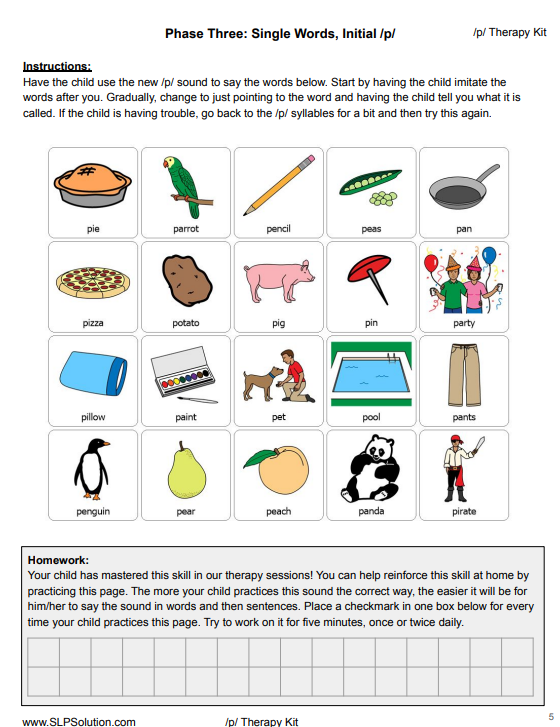
Early-Developing Sounds
(Ages 2-3 yrs and beyond)
Mid-Developing Sounds
(Ages 3-4 yrs and beyond)
Later-Developing Sounds and Clusters
(Ages 4-7 yrs and beyond)
* Age ranges represent when children typically master these skills. However, this program can help older children/teens with these skills as well.
~ OR ~
Instant access. No risk. Cancel anytime.
Therapy Program + Mini-Course:
Strategies and materials for teaching the /r/, /s/, and “sh” sounds
What is it? An easy-to-follow system for teaching phonology skills to children and teens ~ includes all therapy materials along with training and support.
Who is it for?
Children and teens who…
How Does it Work?
This Curriculum is broken down into three levels:
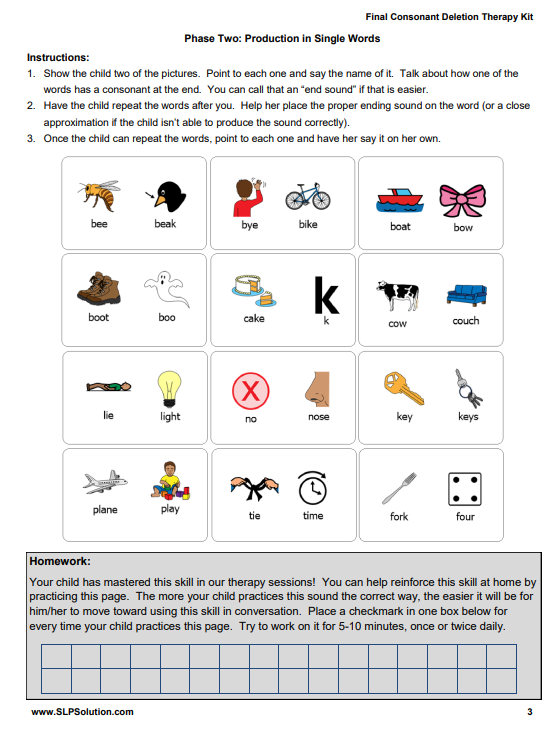
Early Phonological Processes
(Ages 3-4 yrs and beyond)
Mid-Developing Phonological Processes
(Ages 4-5 yrs and beyond)
Later-Developing Phonological Processes
(Ages 4-7 yrs and beyond)
* Age ranges represent when children typically master these skills. However, this program can help older children/teens with these skills as well.
~ OR ~
Instant access. No risk. Cancel anytime.

Initial Consonant Deletion, Final Consonant Deletion, Unstressed Syllable Deletion
What is it? A guided therapy framework that takes the mystery out of treating motor speech disorders, giving you clear steps to help kids move from frustration to confident communication.
Who is it for?
Children and teens who…
How Does it Work?
This Curriculum is broken down into three levels:
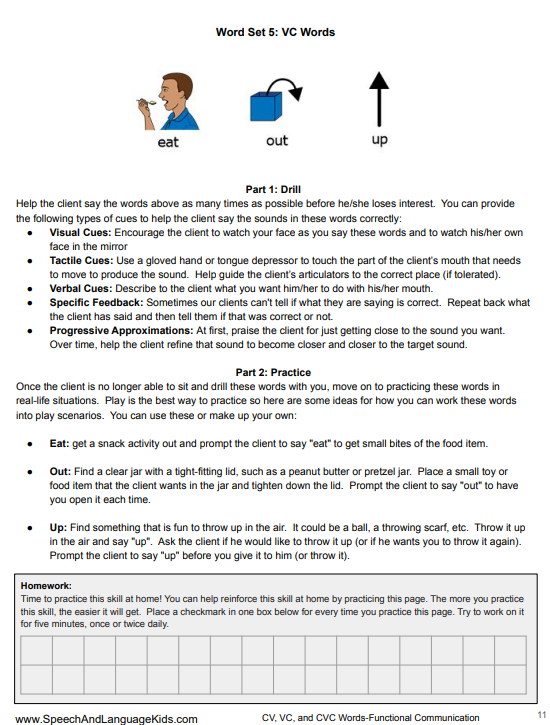
CV, VC, CVC Words
(Ages 1-3 yrs and beyond)
Expanded Word Structures and Utterance Length
(Ages 1.5-4 yrs and beyond)
Coordination and Connected Speech
(Ages 3-7 yrs and beyond)
* Age ranges represent when children typically master these skills. However, this program can help older children/teens with these skills as well.
~ OR ~
Instant access. No risk. Cancel anytime.

Practice cards and worksheets for children with Apraxia and other motor speech disorders
What is it? A structured, confidence-building program that helps children and teens who mumble learn to project their voice, articulate with intention, and communicate with confidence in any setting.
Who is it for?
Children and teens who…
How does it work?
This Curriculum is broken down into three levels:
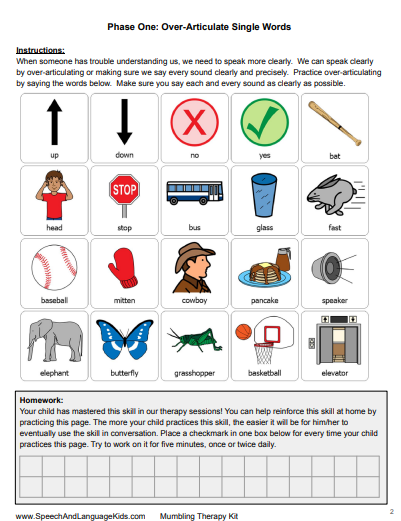
Over-Articulation in Structured Tasks
(Ages 3-5 yrs and beyond)
Speaking Clearly in Structured Conversation
(Ages 5-7 yrs and beyond)
Self-Correcting in Conversation
(Ages 7-10 yrs and beyond)
* Age ranges represent when children typically master these skills. However, this program can help older children/teens with these skills as well.
Instant access. No risk. Cancel anytime.
Every child’s communication journey is unique — but you don’t have to reinvent the wheel for each one.
Our Speech Sound Curriculums are just the beginning. Inside the SLK Curriculum, you’ll find comprehensive therapy plans for every major area of communication:
Each curriculum walks you through the therapy process step-by-step — from first session to mastery — so you can spend less time planning and more time helping children and teens succeed.

And when children start communicating clearly and confidently… everything changes.


The post Speech Sound Curriculums for Speech Therapy appeared first on Speech And Language Kids.
Avsnitt sparat!
Du hittar sparade avsnitt på Mina sidor.
Kunde inte spara avsnitt
Något gick fel. Försök igen.