Dela
Stop spending hours hunting for language activities that only partly fit your students’ needs.
Our comprehensive language curriculums give you ready-made therapy plans to help children understand others, express themselves clearly, and thrive in every setting—in therapy, at home, or in the classroom.
You’ll know exactly what to teach next, without second-guessing your plan.
 Evidence-based. Organized. Ready to use.

Instant access. No risk. Cancel anytime.
Children and teens who have trouble following directions
Those who struggle to ask and answer questions
Those who have trouble retelling past events in a way that makes sense
Those with grammar/syntax errors
Those who struggle with figurative language
Those who struggle with reading and writing
Those who use vague or imprecise language/words or don’t know what things are called
Speech-Language Pathologists and Professionals
Speech Language Therapy Assistants and SLPAs
Parents and Caregivers
Teachers and Educators
Choose your Curriculum:

Vocabulary, Syntax, and Literacy for Middle Schoolers and High Schoolers
What is it? A comprehensive, step-by-step program that helps children strengthen their ability to follow directions — from simple one-step tasks to complex, multi-step instructions — building the attention, comprehension, and confidence they need to succeed in everyday tasks.
Who is it for?
Children and teens who…
How does it work?
This Curriculum is broken down into three levels:
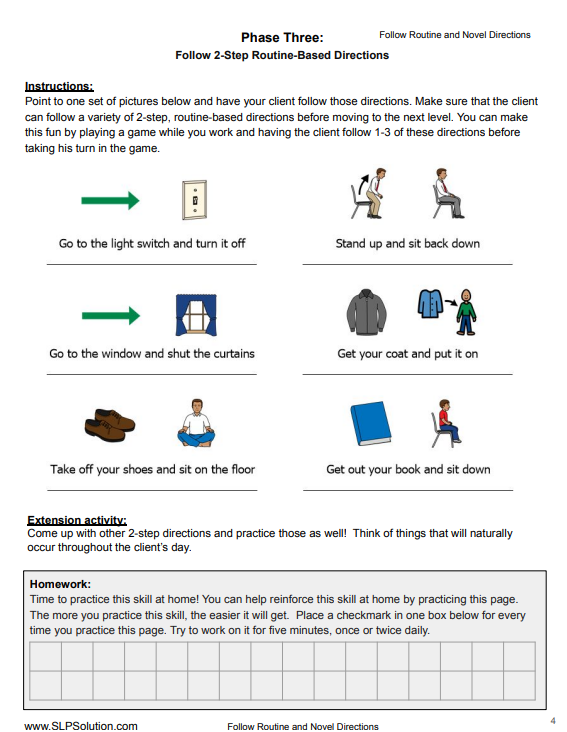
Basic Directions
(Ages 1-4 yrs and beyond)
Expanded Directions
(Ages 4-7 yrs and beyond)
Functional Directions
(Ages 5-8 yrs and beyond)
* Age ranges represent when children typically master these skills. However, this program can help older children/teens with these skills as well.
Instant access. No risk. Cancel anytime.
What is it? A ready-to-use, systematic program that saves you hours of prep time with pre-made lessons for every question type — teaching children to ask and answer questions in a clear, structured way that leads to faster success.
Who is it for?
Children and teens who…
How does it work?
This Curriculum is broken down into three levels:
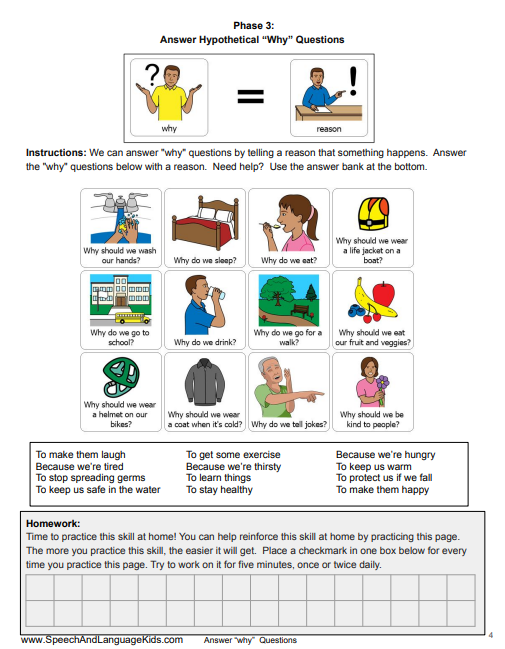
Answering Yes/No and Individual “Wh-” Questions
(Ages 2-6 yrs and beyond)
Asking and Answering Mixed Questions in Conversation
(Ages 4-7 yrs and beyond)
Using Questions in Classwork and Daily Activities
(Ages 5-10 yrs and beyond)
* Age ranges represent when children typically master these skills. However, this program can help older children/teens with these skills as well.
Instant access. No risk. Cancel anytime.
What is it? A scaffolded, ready-to-use program that makes it easy to teach children how to sequence and retell past events — and even stories — clearly and coherently, helping them build stronger narratives and faster communication progress.
Who is it for?
Children and teens who…
How does it work?
This Curriculum is broken down into three levels:
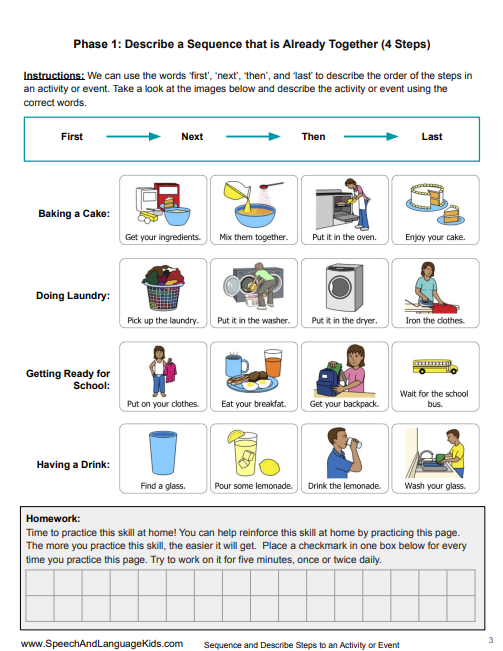
Sequencing and Retelling Common Tasks
(Ages 4-6 yrs and beyond)
Retelling Past Events
(Ages 4-7 yrs and beyond)
Using Sequencing and Retelling in Classwork
(Ages 5-8 yrs and beyond)
* Age ranges represent when children typically master these skills. However, this program can help older children/teens with these skills as well.
Instant access. No risk. Cancel anytime.
What is it? A systematic, results-driven program for teaching grammar and syntax — replacing scattered, one-off lessons with a clear, structured progression that helps children and teens build lasting language skills.
Who is it for?
Children and teens who…
How does it work?
This Curriculum is broken down into three levels:
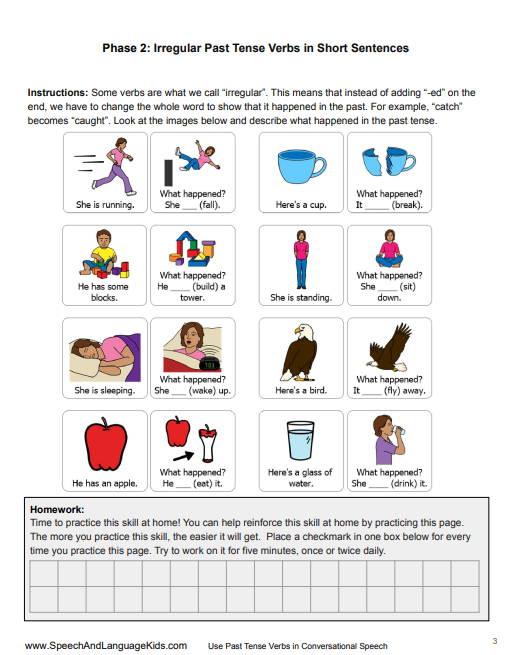
Foundational Grammar Skills
(Ages 2-5 yrs and beyond)
Expanding Sentence Complexity
(Ages 4-8 yrs and beyond)
Mastering Grammar for Effective Communication
(Ages 6-13 yrs and beyond)
* Age ranges represent when children typically master these skills. However, this program can help older children/teens with these skills as well.
~ OR ~
Instant access. No risk. Cancel anytime.


Everything you need to teach early grammar and syntax skills to children
What is it? A structured, low-prep program that makes it easy to teach abstract language skills systematically — helping children and teens understand and use figurative and nuanced language with clarity and confidence.
Who is it for?
Children and teens who…
How does it work?
This Curriculum is broken down into three levels:
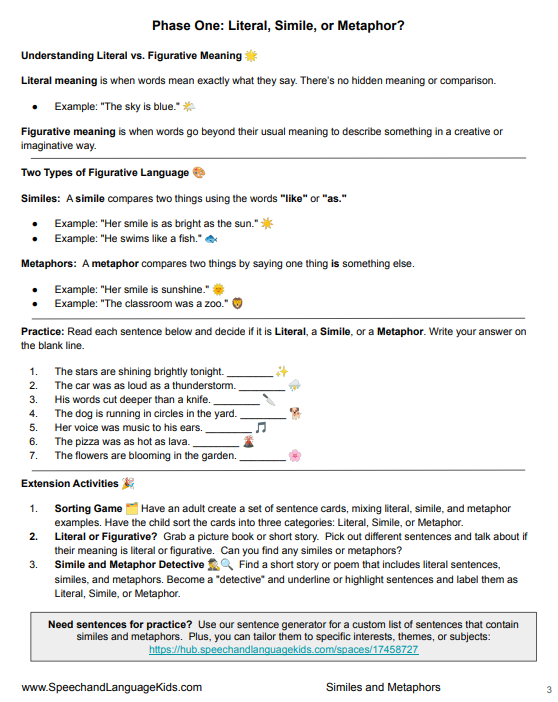
Literal vs. Nonliteral Language
(Ages 5-7 yrs and beyond)
Figurative Language
(Ages 6-10 yrs and beyond)
Inferencing and Social Nuance
(Ages 7-12 yrs and beyond)
* Age ranges represent when children typically master these skills. However, this program can help older children/teens with these skills as well.
Instant access. No risk. Cancel anytime.
What is it? A comprehensive, developmentally layered program that teaches vocabulary the smart way — starting with key words for younger children and progressing to powerful word-learning and word-attack strategies for older students, so they can confidently grow their vocabulary long after therapy ends.
Who is it for?
Children and teens who…
How does it work?
This Curriculum is broken down into three levels:
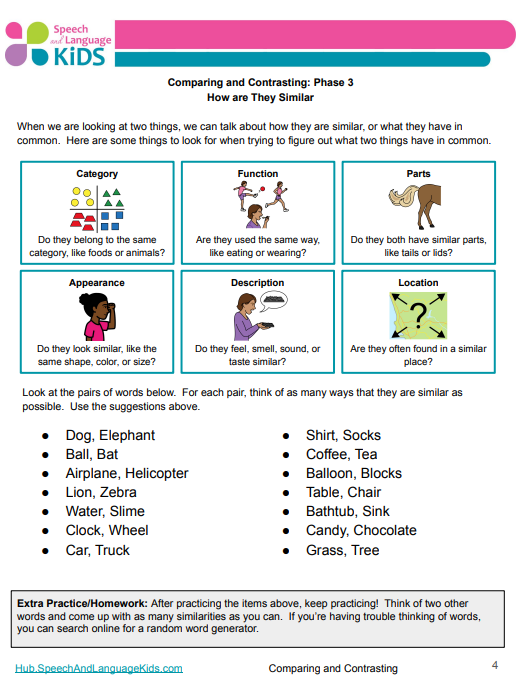
Building a Core Vocabulary
(Ages 1-2.5 yrs and beyond)
Increasing Word Knowledge and Usage
(Ages 2-6 yrs and beyond)
Academic Vocabulary and Independent Word Learning
(Ages 5-12 yrs and beyond)
* Age ranges represent when children typically master these skills. However, this program can help older children/teens with these skills as well.
Instant access. No risk. Cancel anytime.
What is it? A structured, step-by-step program for building the language foundations that support reading and writing success — giving children the skills they need to understand text, express ideas, and thrive in literacy.
Who is it for?
Children and teens who…
How does it work?
This Curriculum is broken down into three levels:
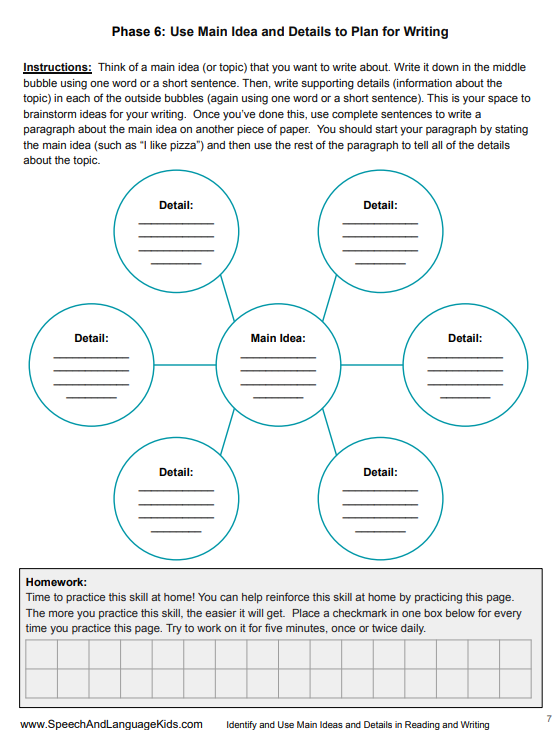
Pre-Literacy Foundations
(Ages 2-6 yrs and beyond)
Understanding and Using Discourse Structures
(Ages 4-9 yrs and beyond)
Critical Thinking for Reading and Writing
(Ages 5-14 yrs and beyond)
* Age ranges represent when children typically master these skills. However, this program can help older children/teens with these skills as well.
Instant access. No risk. Cancel anytime.
Vocabulary, Syntax, and Literacy for Middle Schoolers and High Schoolers
Every child’s communication journey is unique — but you don’t have to reinvent the wheel for each one.
Our Speech Sound Curriculums are just the beginning. Inside the SLK Curriculum, you’ll find comprehensive therapy plans for every major area of communication:
Each curriculum walks you through the therapy process step-by-step — from first session to mastery — so you can spend less time planning and more time helping children and teens succeed.

And when children start communicating clearly and confidently… everything changes.

The post Language Curriculums for Speech Therapy appeared first on Speech And Language Kids.
Avsnitt sparat!
Du hittar sparade avsnitt på Mina sidor.
Kunde inte spara avsnitt
Något gick fel. Försök igen.