A disaster can destroy more than buildings. It can also weaken the institutions, communities, and democratic processes that determine what comes next.
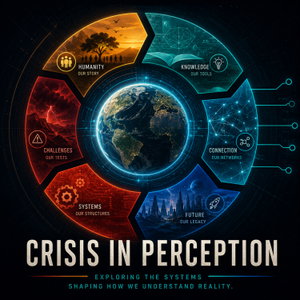
Welcome to Crisis in Perception, where we examine the systems shaping our world.
Using The Shock Doctrine: The Rise of Disaster Capitalism by Naomi Klein as our lens, this investigation examines how collective trauma can create a compressed policy window for reorganizing economies and transferring public functions into private hands.
Klein argues that an economic program centered on privatization, deregulation, and cuts to public spending has repeatedly advanced during coups, wars, debt crises, terrorist attacks, and natural disasters. Her argument does not require every crisis to be deliberately created. The underlying mechanism is institutional preparedness: while affected populations are disoriented or displaced, organized political and commercial actors may already possess the policies, contracts, and narratives needed to define the recovery.
The episode traces crisis exploitation, emergency authority, privatized reconstruction, the tension between speed and consent, and a feedback loop in which outsourcing weakens public capacity while weakened public capacity produces further outsourcing.
📺 Watch on YouTube:
https://youtu.be/EjLAF5lSwYQ
❤️ Support / Episode Post on Patreon:
https://www.patreon.com/CrisisinPerception/posts/shock-doctrine-165051015?utm_medium=clipboard_copy&utm_source=copyLink&utm_campaign=postshare_creator&utm_content=join_link
If these ideas resonate, consider reading the work yourself or borrowing it from your local library. Supporting authors and libraries helps keep critical inquiry accessible.
If you value systems-level analysis like this, please follow, rate, and share the project.
This content was created using AI-assisted tools for research synthesis, structuring, and narration support. All analysis, framing, and editorial decisions are guided by human judgment as part of the Crisis in Perception project.