A legal system can promise equality while rewarding the institutions that move cases quickly, cheaply, and with minimal scrutiny.
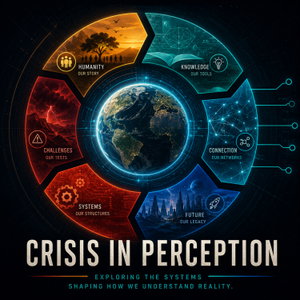
Welcome to Crisis in Perception, where we examine the systems shaping our world.
Using The Fear of Too Much Justice: Race, Poverty, and the Persistence of Inequality in the Criminal Courts by Stephen B. Bright and James Kwak as our lens, this investigation examines why the American adversary process frequently fails poor defendants and people of color.
Bright and Kwak argue that most criminal cases are shaped not by balanced trials, but by prosecutorial charging power, plea negotiations, sentencing threats, inadequate defense resources, racial discrimination, and procedural rules that make errors difficult to correct. These forces interact inside a system that places enormous value on efficiency and finality.
At a systems level, underfunded defense produces rushed pleas and fewer contested cases. Reduced scrutiny strengthens prosecutorial leverage, while the resulting speed is treated as evidence that current funding and procedures are sufficient. The system reproduces its own imbalance.
The investigation traces prosecutorial discretion, the trial penalty, indigent-defense failures, jury exclusion, wrongful convictions, court-generated revenue, political pressure on judges, and the tension between administrative efficiency and constitutional equality.
📺 Watch on YouTube:
https://youtu.be/YiXg4tqrLXc
❤️ Support / Episode Post on Patreon:
https://www.patreon.com/CrisisinPerception/posts/fear-of-too-much-164231484?utm_medium=clipboard_copy&utm_source=copyLink&utm_campaign=postshare_creator&utm_content=join_link]
If these ideas resonate, consider reading the work yourself or borrowing it from your local library. Supporting authors and libraries helps keep critical inquiry accessible.
If you value systems-level analysis like this, please follow, rate, and share the project.
This content was created using AI-assisted tools for research synthesis, structuring, and narration support. All analysis, framing, and editorial decisions are guided by human judgment as part of the Crisis in Perception project.