Consumer-finance disputes often appear private and isolated. Viewed structurally, they reveal a marketplace in which fragmented individuals confront institutions that write the contracts, control the information, and can distribute small harms across millions of customers.
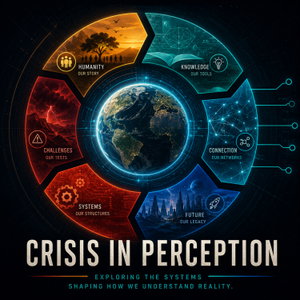
Welcome to Crisis in Perception, where we examine the systems shaping our world.
Using Watchdog: How Protecting Consumers Can Save Our Families, Our Economy, and Our Democracy by Richard Cordray, with a foreword by Senator Elizabeth Warren, this Deep Dive investigates the institutional purpose of the Consumer Financial Protection Bureau.
Cordray argues that honest competition requires more than individual responsibility or industry self-policing. This episode traces how complex credit products, information asymmetry, regulatory fragmentation, arbitration, and short-term profit incentives can make formally voluntary transactions structurally unequal. It then examines how complaint data, supervision, enforcement, rulemaking, disclosure, and federal-state cooperation can create countervailing power.
Central systems and tensions include fragmented consumers versus concentrated institutions, market freedom versus enforceable rules, agency independence versus democratic accountability, and reinforcing cycles of complexity, profit, influence, and weakened oversight.
📺 Watch on YouTube:
https://youtu.be/nd6YrT_iIdk
❤️ Support / Episode Post on Patreon:
https://www.patreon.com/CrisisinPerception/posts/watchdog-how-can-164274803?utm_medium=clipboard_copy&utm_source=copyLink&utm_campaign=postshare_creator&utm_content=join_link
If these ideas resonate, consider reading the work yourself or borrowing it from your local library. Supporting authors and libraries helps keep critical inquiry accessible.
If you value systems-level analysis like this, please follow, rate, and share the project.
This content was created using AI-assisted tools for research synthesis, structuring, and narration support. All analysis, framing, and editorial decisions are guided by human judgment as part of the Crisis in Perception project.