What if growing up is not simply about making choices, but about discovering which choices society has already made acceptable?
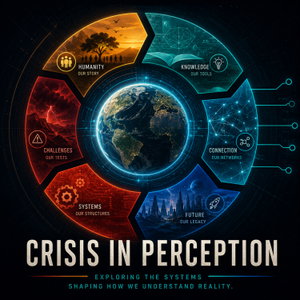
Welcome to Crisis in Perception, where we examine the systems shaping our world.
Using Stay Solid! A Radical Handbook for Youth, edited by Matt Hern and the Purple Thistle Centre, this Deep Dive investigates how institutions shape youth agency, identity, and definitions of a meaningful life.
The anthology presents an openly left, socialist, anarchist, and anti-capitalist argument for resisting inherited social scripts through critical inquiry, practical skills, mutual aid, chosen relationships, creativity, and collective action. Its many contributors do not offer one unified doctrine. Instead, they create a scrapbook of competing experiences and proposals for living ethically within systems they regard as unjust.
The deeper system involves institutional normalization. Schools, workplaces, family expectations, media, markets, and legal authority define which choices appear responsible or realistic. The episode traces how compliance is rewarded, how alternatives are marginalized, and how counter-institutions can expand agency while reproducing their own tensions around expertise, leadership, safety, and accountability.
Central themes include compulsory schooling, economic dependence, chosen family, counter-institutions, distributed leadership, social conformity, and the tension between autonomy and guidance.
📺 Watch on YouTube:
https://youtu.be/yqqiSJHEgH0
❤️ Support / Episode Post on Patreon:
https://www.patreon.com/CrisisinPerception/posts/stay-solid-for-164648983?utm_medium=clipboard_copy&utm_source=copyLink&utm_campaign=postshare_creator&utm_content=join_link
If these ideas resonate, consider reading the work yourself or borrowing it from your local library. Supporting authors and libraries helps keep critical inquiry accessible.
If you value systems-level analysis like this, please follow, rate, and share the project.
This content was created using AI-assisted tools for research synthesis, structuring, and narration support. All analysis, framing, and editorial decisions are guided by human judgment as part of the Crisis in Perception project.