Dela
This is the first piece in a series introducing the Parametric Process Assumption (PPA), a new model of anthropics which allows us to resolve very nearly all anthropic paradoxes I am aware of. With the right prior, the PPA rejects both the Doomsday Argument and the Presumptuous Philosopher and can operate seamlessly over both finite and infinite universes.
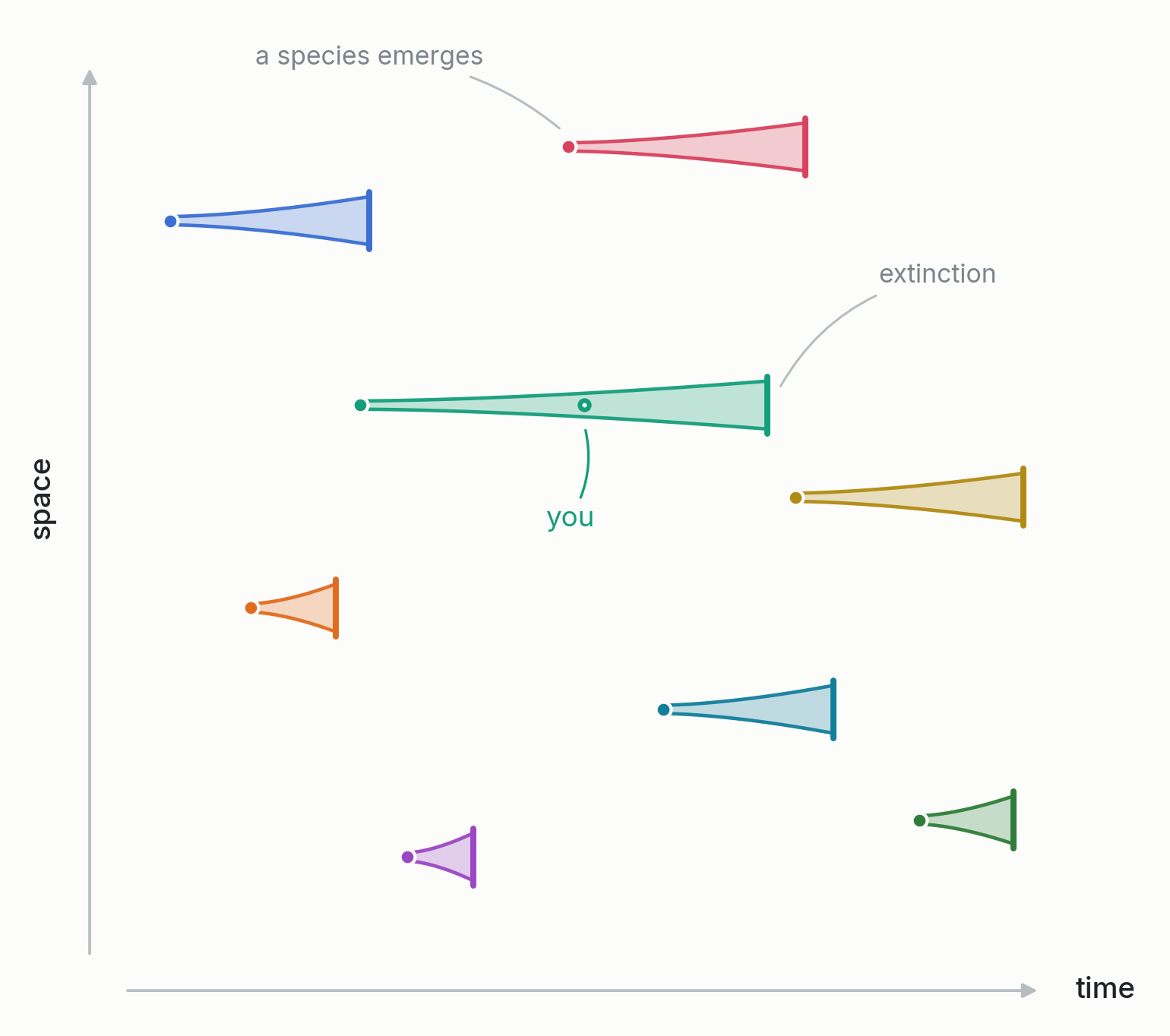
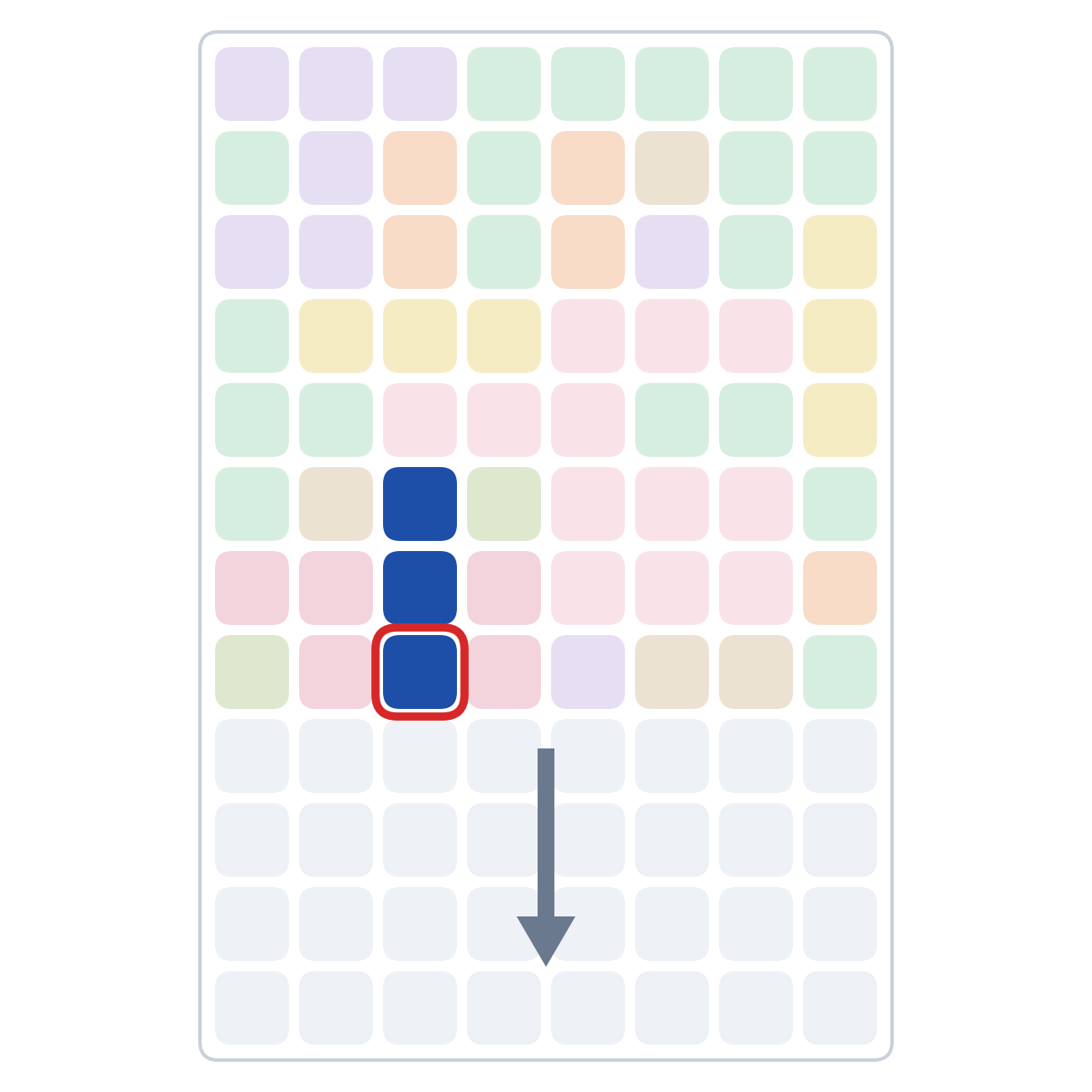
The motivating idea behind the PPA is that there are really two different ways to interpret a statement like "the probability of X":
The first interpretation makes more sense for some types of questions, while the second approach makes more sense for others. But it turns out that if you take the standard framing for anthropic problems - where a universe is first produced and then you are assigned an observer identity within it - you will get different answers depending on whether you model the [...]
---
Outline:
(03:49) Motivating the PPA
(08:48) The Basic Model
(17:53) The Math
(21:06) What the PPA Predicts
(23:05) How to read this Series
The original text contained 14 footnotes which were omitted from this narration.
---
First published:
October 14th, 2026
Source:
https://www.lesswrong.com/posts/QCCnqY54W4YPXvYLm/the-ppa-a-new-approach-to-anthropics
---
Narrated by TYPE III AUDIO.
---
Images from the article:



Apple Podcasts and Spotify do not show images in the episode description. Try Pocket Casts, or another podcast app.
Avsnitt sparat!
Du hittar sparade avsnitt på Mina sidor.
Kunde inte spara avsnitt
Något gick fel. Försök igen.