A free guide to FSM training is available there for licensed practitioners.
https://frequencyspecific.com/how-to-choose-your-fsm-core-training
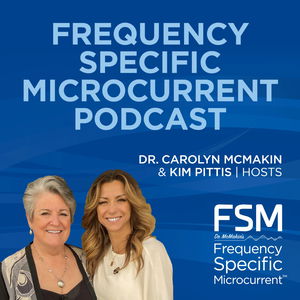
Hosts: Carolyn McMain, MA, DC & Kim Pittis, LCSP, (PHYS), MT
In this episode of the Frequency Specific Microcurrent (FSM) podcast, Dr. Carol and Kim Pittis discuss the importance of treating the whole patient—not just the injury—and strongly discourage using AI or published frequency lists to create FSM protocols, emphasizing hands-on assessment and clinical reasoning. They troubleshoot an ACL post-op case with patellar tendinopathy and quad inhibition, highlighting tissue-based detective work (especially the fat pad, scarring, nerves, and cartilage) and noting that effective frequencies should produce palpable softening quickly. They also explain how to differentiate disc versus facet referral patterns in the upper back based on flexion/extension provocation, recommend considering flexion-extension X-rays and hypermobility screening for chronic neck issues, address questions on statin-related neuropathy and antidepressant tapering, share carpal tunnel strategies and outcomes, and explore vagus-focused approaches for interoception, pelvic pain, coccydynia, and vaginismus. They close with course announcements and a reminder that AI cannot diagnose, treat, or provide reliable legal documents.
00:00 Healing Beyond Tissue
00:38 FSM Podcast Intro
01:05 OR Teamwork Mindset
03:01 Perioperative Care Gaps
04:53 AI Protocol PSA
08:02 ACL Rehab Case Study
13:25 Hands-On Over Algorithms
16:02 Tendonitis vs Tendinopathy
18:25 Neck Pain Disc vs Facet
24:34 Reading Imaging Like a Pro
29:12 Trust the Exam
29:43 Statins and Antidepressants
32:13 Carpal Tunnel Protocols
35:48 Interoception and Vagus
37:52 Pelvic Pain and Dura
41:44 Arachnoid and Simplifying FSM
43:45 Radiation Scar Case
45:15 Vaginismus Treatment Options
48:01 Athlete Anxiety and Safety
51:01 AI Limits and Connection
52:45 Course Dates and Wrap Up
55:08 Podcast Disclaimer