► Build secure relationships without losing yourself: https://understandable.net (ad)
Welcome to today's episode! In this video, I answer what actually helps avoidants heal, from my own perspective as a recovered avoidant who worked with four therapists. I explain why it is so hard, because avoidants rarely see their behavior as the problem and society even rewards their independence. Then I build it up in levels: first reframing what a relationship means and finding a purpose bigger than yourself, then the practical work of setting realistic relational standards, finding a supportive partner, and training the missing skills like naming needs and boundaries. The real core key is a decision: committing 110 percent to the relationship, especially on the hard days.
► Links and Resources:
Why Avoidants Lose Feelings Video: https://youtu.be/dHOxRnU4pEU?si=VP8fI3hwhVNAeFu9
Why Avoidants Cannot Feel Their Needs Video: https://youtu.be/YoerBrHSdUI?si=UCjq5BS6Wkfldo97
► Subscribe On Your Favorite Platform!
YouTube: https://www.youtube.com/channel/UCGiJdF0yeTyRJanW_uSICDw?sub_confirmation=1
Spotify: https://open.spotify.com/show/2gaheQLxBwByM9txVzlpI6
Apple Podcasts: https://podcasts.apple.com/gb/podcast/understandable/id1399616905
Amazon Music: https://music.amazon.de/podcasts/ee3580cb-61c5-4aa1-9ad4-1204014078e7/understandable
► Episode Timestamps:
00:00 Introduction
01:12 Why It Is So Hard for Avoidants to Heal
11:05 Level 1: Reframing Relationships
15:58 Finding a Higher Purpose
19:25 Empathy and Healthy Guilt
21:11 Level 2: Setting Realistic Relational Standards
26:25 Finding the Right Partner
32:21 Training the Missing Relationship Skills
36:50 Level 3: The Key to Heal
► Reach Out To Me :)
E-Mail: info@understandable.net
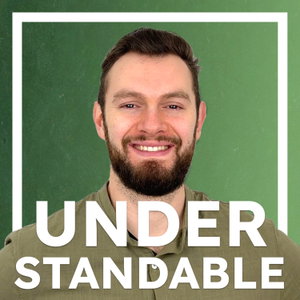
► Hi, my name is Robert! I make videos about how to build stable, secure relationships without losing yourself or waiting forever for the “perfect” partner. :)
► Disclaimer: None of the contents are therapeutic or medical recommendations. The contents are not to be understood as therapeutic-medical instructions and are neither intended as professional health advice nor as education.
I am not a health professional myself. My content is based on research and my personal experiences working with various therapists as a client for three years.