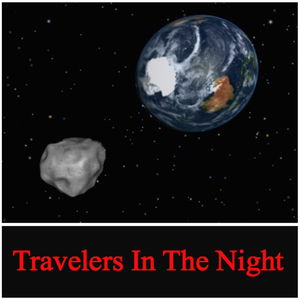
The Vera C. Rubin Observatory, also known as LSST, with its 8.4 m mirror, the width of a tennis court, and the worlds largest 3.2 gigapixel camera, roughly the size of a small car, will image the entire sky every 3 or 4 nights in such a way as to detect objects that change in position and/or brightness. It is estimated the LSST will discover one or two new impacting small asteroids per year and provide several days of lead time for follow up telescopes to track an impactor into the atmosphere to find meteorites whose chemical composition will tell us about where they originated.
Podden och tillhörande omslagsbild på den här sidan tillhör
Albert D. Grauer. Innehållet i podden är skapat av Albert D. Grauer och inte av,
eller tillsammans med, Poddtoppen.