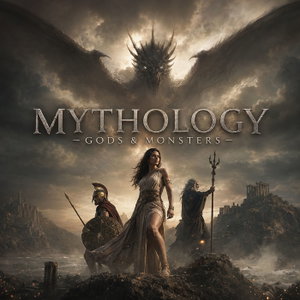
A monk in 920 replaces an old name; when a hoard shifts in the Nibelungenlied, the name Nibelung moves too-what would you do if a name moved with treasure?
If you held the hoard, would you keep the name?
In this episode, we trace how a single name-Nibelung-moves through centuries of texts, people, and translations, shifting meaning as it travels from real Burgundians to mythic treasure-holders. The episode asks what identity becomes when language and ownership separate the name from its original bearers.
Person: Gundahar Date: 437 Text: Nibelungenlied Language change noticed by: monk copying Waltharius around 920 Place: Rhine / Burgundian kingdom
- A monk copying Waltharius circa 920 encounters the name Nibelung and substitutes a phrase meaning "worthless fellows." - The historical Burgundian king Gundahar dies in 437 in a catastrophe that becomes foundational memory for Germanic peoples. - In the Nibelungenlied, two princes named Nibelung and Schilbung argue over an enormous hoard that cannot be fairly divided. - Siegfried attempts to judge and divide the treasure, fails despite effort, kills the princes, and takes both the hoard and the name. - As the hoard moves to new holders (including the Burgundians), the name Nibelung transfers with it, becoming property rather than lineage.
To listen to this podcast ad-free and access premium episodes, try our subscription with a 14-day free trial at obomedia.com.
Podden och tillhörande omslagsbild på den här sidan tillhör
OBOMEDIA ENTERTAINMENT. Innehållet i podden är skapat av OBOMEDIA ENTERTAINMENT och inte av,
eller tillsammans med, Poddtoppen.