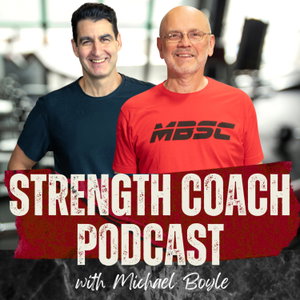
Stop fearing pain and start understanding how your brain processes injury. In this episode, Dr. Tom Walters joins the Strength Coach Podcast to break down the complex world of modern pain science and how to help clients move from hurt to healed. Dr. Walters explains why the old postural-structural-biomechanical model is often outdated and why the biopsychosocial approach is the gold standard for modern rehab.
BROUGHT TO YOU BY PERFORMBETTER.COM
Check out the upcoming Functional Training Summits in Chicago, Long Beach, and Providence
Bring your whole team for $849 or “Bring a Friend for Free” deal at https://www.PerformBetter.com
We dive deep into the phenomenon of phantom limb pain, the role of neuroplasticity in desensitizing the nervous system, and the importance of using positive language with clients.
Whether you are a strength coach, personal trainer, or physical therapist, you will learn how to navigate the three phases of healing, inflammatory, maturation, and remodeling, to build resilient athletes. Dr. Walters also shares his insights on why there is no such thing as a bad movement, only a lack of capacity, and how to use graded exposure to help clients regain their confidence.
KEY TOPICS INCLUDE:
-Why pain does not always mean tissue damage
-How to use graded exposure to overcome fear of movement
-The impact of sleep, stress, and social connection on recovery
-Programming for low back pain across three distinct phases
-Moving away from the corrective exercise trap
For more info:
Rehab Science book:
https://rehabscience.com/book/
Dr. Tom Walters on YouTube (1.11M Subscribers)
https://www.youtube.com/@RehabScience
Dr. Tom Walters on Instagram (1.7M Followers)
https://www.instagram.com/rehabscience/
Dr. Tom Walters' Website - Rehab Science
https://rehabscience.com/
CHAPTERS:
0:00 Intro and the Nuance of Pain Science
2:15 Sponsor Message: Perform Better
5:10 Meet Dr. Tom Walters of Rehab Science
8:45 The Evolution of Modern Pain Science
12:20 Understanding Pain as a Brain Output
15:55 Biopsychosocial vs Biomechanical Models
19:30 The Role of Psychology in Recovery
23:10 Building Trust and Adherence with Patients
27:45 Neuroplasticity and Desensitizing Pain
31:20 Graded Exposure Techniques for Trainers
35:40 Movement Variability and Posture Myths
39:50 The Three Phases of Tissue Healing
44:15 Practical Rehab for Low Back Pain
48:30 Debunking the Idea of Bad Movements
52:10 Empowering Clients through Education
55:09 Video End
If you found this helpful, please like the video and subscribe for more interviews with top fitness experts. Check out the Rehab Science book series for step-by-step protocols on over 50 common injuries. https://rehabscience.com/book/