What is “country ownership,” really? And what gets in the way of making it a reality?
Against a backdrop of historic cuts to development assistance by many of the world’s largest donors, the chorus of voices calling for national governments to set — and finance — their own development agendas is growing louder.
Yemi Osinbajo, the former vice president of Nigeria and co-chair of the Future of Development Cooperation Coalition, has seen firsthand what happens when international donors and national development priorities are aligned — or not.
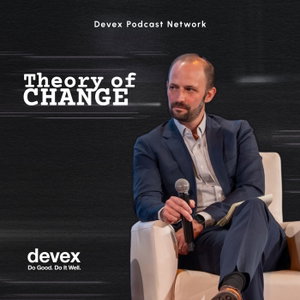
Osinbajo joined the Devex Theory of Change podcast to challenge the myths and misconceptions around state capacity, corruption, and international finance.
"Forget about giving cash or aid. Let's focus on systemic changes that can release the resources that African countries need for their development,” Osinbajo says.
That means targeting markets and value chains that currently disadvantage lower-income countries, through systemic partnerships rather than one-off handouts, he says.
It also means being honest about who is complicit in propping up systems that are plagued by corruption, or biased against regions perceived as risky, whether they truly are or not.
Podden och tillhörande omslagsbild på den här sidan tillhör
Devex. Innehållet i podden är skapat av Devex och inte av,
eller tillsammans med, Poddtoppen.