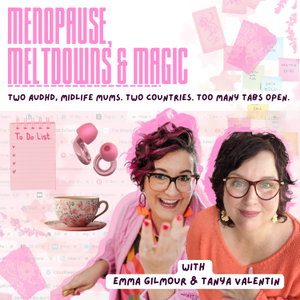
In this episode, Tanya Valentin and Emma Gilmour explore the conversation currently unfolding in the wellness and neuroscience communities around polyvagal theory and recent critiques of the model.
Polyvagal theory, originally proposed by Stephen Porges, has become a widely used framework in therapy, coaching, and neurodivergent spaces for understanding how the nervous system responds to safety and threat.
Recently, a critique led by researcher Paul Grossman and colleagues sparked headlines suggesting that aspects of the theory may be incorrect or overstated.
Rather than jumping into polarised takes, Tanya and Emma slow the conversation down.
Together they explore what the debate actually means, what parts of the science are well supported, and why the framework has still been profoundly helpful for many people — especially those navigating trauma, burnout, and neurodivergent experiences.
Most importantly, they reflect on the deeper question: How do we hold scientific nuance while still honouring lived experience?
• What polyvagal theory is and why it became so influential
• Why the recent critique of the theory has caused so much debate
• What parts of the theory are still well supported by evidence
• Why nervous system frameworks have helped many people move away from shame-based behaviour models
• How understanding safety responses can transform parenting and self-compassion
• Why regulation does not mean being calm all the time
• The difference between burnout, shutdown, and depression
• Why lived experience must remain central when interpreting psychological theories
• The importance of small moments of safety rather than forcing “perfect” self-care
Share your thoughts or your own “magic moment” from the week in the comments or on social media.
If you enjoyed this episode, please follow, rate, and share the podcast so more parents navigating burnout, neurodivergence, and midlife transitions can find this community.
Download Transcript
Next Episode:
Next week, Tanya and Emma explore the debate sparked by a recent article questioning the autism spectrum model and what it might mean for autistic and AuDHD communities.
Podcast: Meltdowns, Menopause and Magic
Hosts: Tanya Valentin & Emma Gilmour
If you are a parent of a child or teen in burnout needing support, join Tanya's Parent Community: From Burnout to Balance
If you are a woman questioning your relationship with alcohol, join Emma's Be The Lighthouse Membership