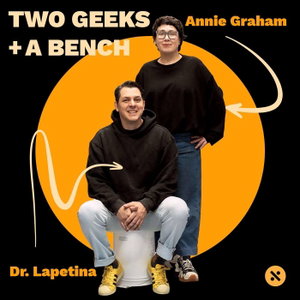
67% of beauty startups fail in their first year — not from bad branding, but from signing the wrong manufacturing contract before they understood what they were agreeing to. In this episode, we unpack why first-time skincare founders keep falling into the same three traps, and what a development-partner relationship looks like when it's structured around founder outcomes instead of order volume.
This is essential listening for anyone preparing to launch a skincare or cosmetics brand in the United States, European Union, or Canadian markets — whether you're an independent founder, a brand consultant, or an executive launching a new line under an existing parent company.
In this episode:
Why "low MOQ" is rarely the binding constraint — and what actually is
The differentiation illusion: how 30 brands end up selling the same base formula under different labels
MoCRA, FDA registration, and the regulatory blind spots that surface only at the border
The structural difference between a contract manufacturer and a development partner
What Glossier and Tower 28 actually did before launch — and why it wasn't luck
The 12 questions every founder should ask before signing anything
Why the indie beauty market is growing 22.3% YoY against 6.1% for conglomerates
Most of the people advising first-time founders make money when you move fast and order big. That's not a conspiracy — it's just how the economics work. The reliable counter is working with someone whose model is built around your success, not your order volume.
Hosted by Diego Lapetina, PharmD, MSc, PhD — Co-founder and Creative Director at Atomic Pom Labs, a sensory branding and cosmetic innovation consultancy serving first-time skincare founders across the US, EU, Canada, and Brazil.
Download the full white paper companion to this episode at atomicpomlabs.com.
Podden och tillhörande omslagsbild på den här sidan tillhör
Annie + Diego. Innehållet i podden är skapat av Annie + Diego och inte av,
eller tillsammans med, Poddtoppen.