Could hidden mold in your home be affecting your health, triggering inflammation, and interfering with your body's ability to recover?me?
Sinus problems, coughing, headaches, fatigue, and brain fog are symptoms people sometimes report in damp or mold-damaged buildings. But what does research actually tell us about mold exposure, inflammation, cellular stress, and the body's ability to recover?
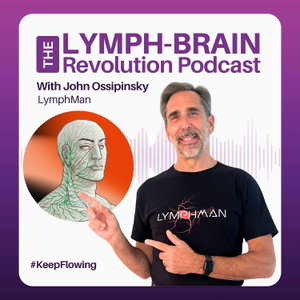
In Episode 46 of The Lymph-Brain Revolution, John Ossipinsky—LymphMan—explores how mold exposure can affect the lungs and immune system, what experimental research reveals about mycotoxins and mitochondrial dysfunction, and why the lymphatic system is important for maintaining healthy tissues.
John also examines fascinating research on how the lymphatic system helps manage inflammation, transport cellular waste, and maintain the environment surrounding our cells—and why these functions matter when tissues are recovering from an environmental exposure.
What role does lymphatic flow play in tissue health and recovery after mold exposure? Explore the emerging research and why eliminating mold exposure must always come first.
📘 Episode Resources, Studies & Show Notes
👉 Episode 46: Mold Toxicity: Inflammation, Lymph Flow & Recovery
https://www.johnossipinsky.com/lymph-brain-revolution-podcast-episode-46
✅ In this episode, you'll learn:
• Why mold exposure can cause symptoms ranging from sinus irritation and allergies to more serious respiratory problems.
• Why eliminating mold exposure and correcting moisture problems must come before attempting to detox your body.
• How certain mycotoxins can affect mitochondria, increase oxidative stress, and interfere with cellular function in experimental research.
• How the lymphatic system helps transport excess fluid, proteins, immune cells, and inflammatory material away from tissues.
• What human research reveals about exercise, muscle contractions, deep breathing, and lymphatic transport.
• How nutrition, healthy movement, sleep, and appropriate medical care can support the body's normal recovery processes after mold exposure has been eliminated.
John also shares simple, practical ways to support lymphatic flow, improve cellular health, and help your body's natural recovery processes after mold exposure has been eliminated.
What the Research Tells Us: Emerging research is revealing fascinating connections between cellular stress, inflammation, and lymphatic function. While many findings come from laboratory and animal studies, they provide valuable insights into how the lymphatic system responds to stress and supports tissue health. More human research is needed to understand how these findings relate specifically to mold exposure and recovery.
🎧 Listen On Your Favorite Platform
Apple Podcasts
Spotify
Amazon Music
iHeartRadio
📘 Free Lymphatic System Health Guide & 7 Day Plan To Improve Lymph Flow
https://www.johnossipinsky.com/lymphman-lymphatic-system-health-guide
🌐 The Lymph-Brain Revolution Podcast Episode Hub Page
https://www.johnossipinsky.com/podcast-episode-hub-page
📱 Follow @LymphMan on Instagram for lymphatic health tips, new research, simple exercises, and new podcast episodes.
🌀 What LymphMan Recommends to Improve Lymphatic Health
https://www.johnossipinsky.com/lymphmanrecommends
🔔 Subscribe for New Episodes Every Wednesday
Helping you better understand the lymphatic system and its role in human health.
If this episode gives you a new perspective on mold toxicity, inflammation, cellular health, and the lymphatic system, please subscribe, leave a review, and share it with someone who could benefit.
Changing World Health... One Lymphatic System at a Time.
Keep Flowing! 💦
⚠️ Educational Disclaimer: This episode is for educational purposes only and is not intended to diagnose, treat, cure, or prevent any disease. Some of the mycotoxin and lymphatic research discussed comes from laboratory and animal studies and cannot automatically be applied to people exposed to mold in homes or workplaces. If you have persistent symptoms, significant breathing problems, or concerns about mold exposure, consult an appropriately qualified healthcare professional.