In this episode we sit down with Billy Oppenheimer (researcher/writer for Ryan Holiday and Rick Rubin; author of the Six at Six newsletter) to talk about taste, note cards, and using AI without losing the human filter.
We get into:
AI as tool, taste as foundation: why resonance with readers remains an impossible bet
Ryan’s note card system: “make notes for an ignorant stranger” so future-you can use them
From serendipity to synthesis: stacking 8–12 cards into a theme and letting weird specificity emerge
Where AI fits: upstream tutoring for tricky references, downstream lists and sentence variants—never the spark
Speed vs. substance: is AI actually good, or just fast
Neck-down work: when to stop optimizing and just do the tedious thing
Reading as an edge in the AI era: finding stories outside the training data
If you make things, Billy’s playbook is simple: read widely, capture diligently, stack note cards until a theme clicks—then use AI as a tutor and helper, not a substitute. Subscribe for more candid conversations on craft, research, and making work that lasts.
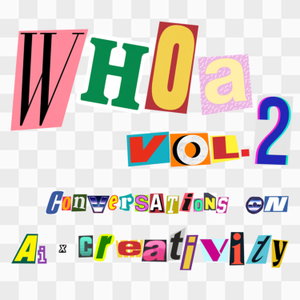
Whoa Vol. 2
This episode is part of a limited series of ten in-depth conversations put together by sublime.app with some of our favorite thinkers and creatives where we explore how artificial intelligence is changing and challenging creative work.
This interview is made possible by Mercury — business banking trusted by 200,000+ entrepreneurs and hands-down our favorite tool for running sublime.app.If you’re a founder or business builder of any type and haven’t tried Mercury yet, visit https://mercury.com today.
Disclaimer
Mercury is a financial technology company, not a bank. Banking services provided through Choice Financial Group, Column N.A., and Evolve Bank & Trust; Members FDIC.
Podden och tillhörande omslagsbild på den här sidan tillhör
Sublime. Innehållet i podden är skapat av Sublime och inte av,
eller tillsammans med, Poddtoppen.