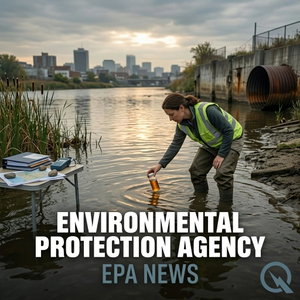
Welcome back to the Environmental Update. This week, the EPA made waves with a major move that could reshape how we think about what's in our drinking water. On Thursday, the agency proposed putting microplastics and pharmaceuticals on the official list of contaminants to monitor in drinking water for the very first time. This is significant because it's the opening move in a longer regulatory process that could eventually lead to new drinking water standards for these substances across the country.
According to the EPA, microplastics are one of eighty eight unregulated contaminants being evaluated for potential future regulation. While the agency acknowledges significant data gaps in understanding the health risks from these tiny plastic particles, the proposal signals growing concern about what's flowing through our taps. EPA Administrator Lee Zeldin framed this action as responding to Americans worried about plastics and pharmaceuticals in their drinking water, and it also appears to be a nod to Health Secretary Robert F. Kennedy Jr.'s health advocacy movement, which has been pushing the agency to crack down harder on environmental contaminants.
Here's how the process works. No more than thirty of the eighty eight contaminants will actually move forward to a monitoring program where utilities will test their water supplies. After the EPA gathers data on how frequently these contaminants appear and at what levels, the agency will decide whether to regulate at least five of them. That decision could take years, but it's a crucial first step. Listeners can submit public comments on this proposal through June fifth on regulations dot gov.
In other EPA news this week, the agency finalized revisions to oil and natural gas industry regulations. On April fourth, the EPA adjusted compliance requirements related to monitoring and testing procedures for methane emissions, estimates showing this will save the industry two point five billion dollars between now and twenty thirty eight. The changes focused on two technical aspects related to flaring procedures and monitoring requirements.
On the PFAS front, the EPA continues its aggressive push to address per and polyfluoroalkyl substances across the country. The agency developed new methods to detect forty different PFAS compounds in everything from wastewater to fish tissue, expanding their ability to identify contamination. The agency is also revising compliance dates for drinking water standards to ensure water systems can successfully implement the new regulations.
For listeners, the key takeaway is this: the EPA is actively reshaping environmental standards on multiple fronts. If you're concerned about water quality or work in industries affected by these changes, staying informed is essential. Visit EPA dot gov for more details and to submit any comments before deadlines pass.
Thank you for tuning in to the Environmental Update. Please subscribe for more coverage of regulatory changes that impa
This content was created in partnership and with the help of Artificial Intelligence AI.