Dela
龙友们新年快乐!2026年第一期,我们继续来讨论塔罗实践与理论,及其与神学、符号学、中世纪经院哲学、现代心理学、艺术史和图像学的交织。
本集节目你将会听到:
1. 塔罗与新柏拉图主义(续)
2. 塔罗与三角之力
3. 母性的暗面:包老师谈母职
4. 桑老师作为艾柯的校友
5. 【女皇】”显灵“? 塔罗与荣格的共时理论
6. 占星与塔罗有何共通处?
7. 星象学中的宏观宇宙vs微观宇宙
8. 亚里士多德如何用”爱“解释自然?
9. 物理法则统御的世界vs 爱与挣扎统御的世界
10. 人类本就是星星的孩子?塔罗与《星际穿越》
11. 宫廷牌:从塔罗到扑克的演变
12. 包老师大吐槽:读完论文摘要就睡着是什么体验?
13. 作为学者的托尔金为何如此珍贵?
14. 塔罗究竟向咨询者揭示什么?
15. 塔罗图像学的流变:以【力量】和【塔楼】为例
16. 塔罗与国际象棋
17. 塔罗与波提切利
18. 桑老师广告时间
19. 塔罗与创意写作:卡尔维诺《命运交叉的城堡》(此处口误作《小径分岔的花园》
20. 今人所持唯玫瑰之名
主播:包慧怡、桑阳(Luca)
制作人:张泽熙
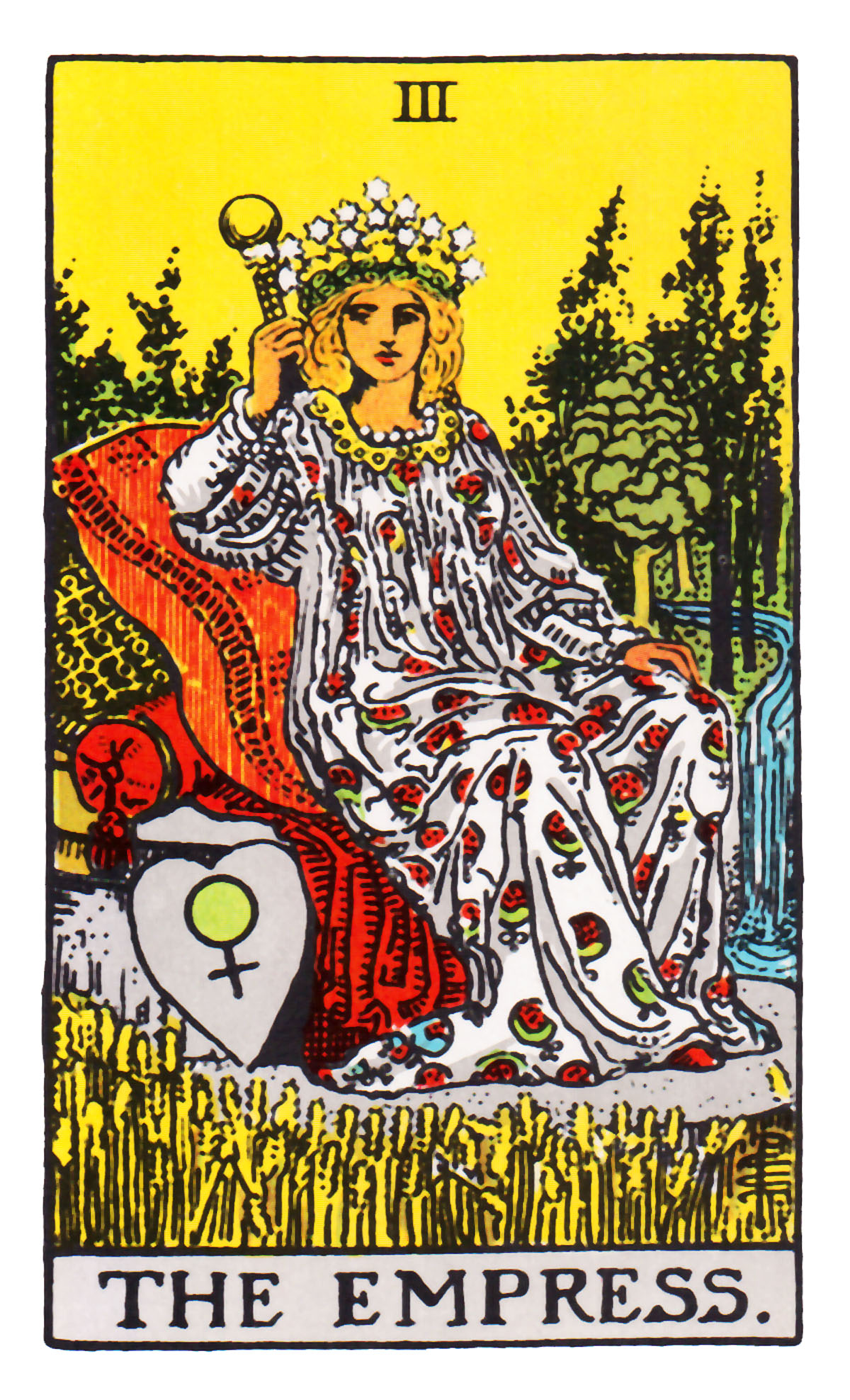
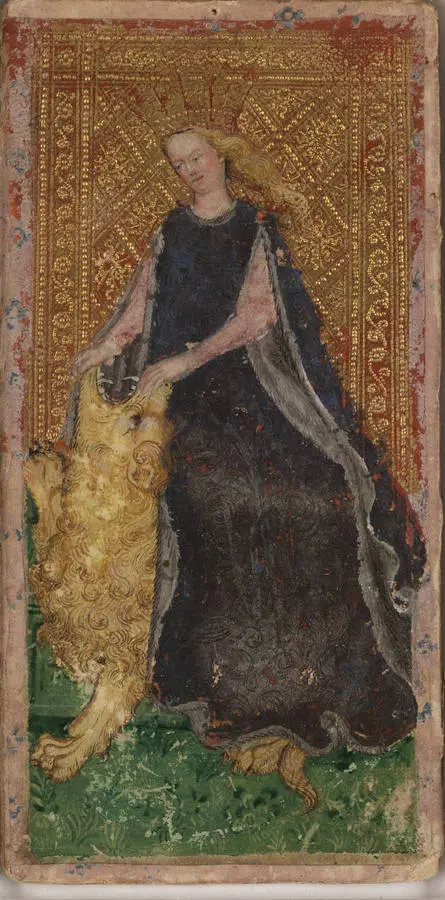
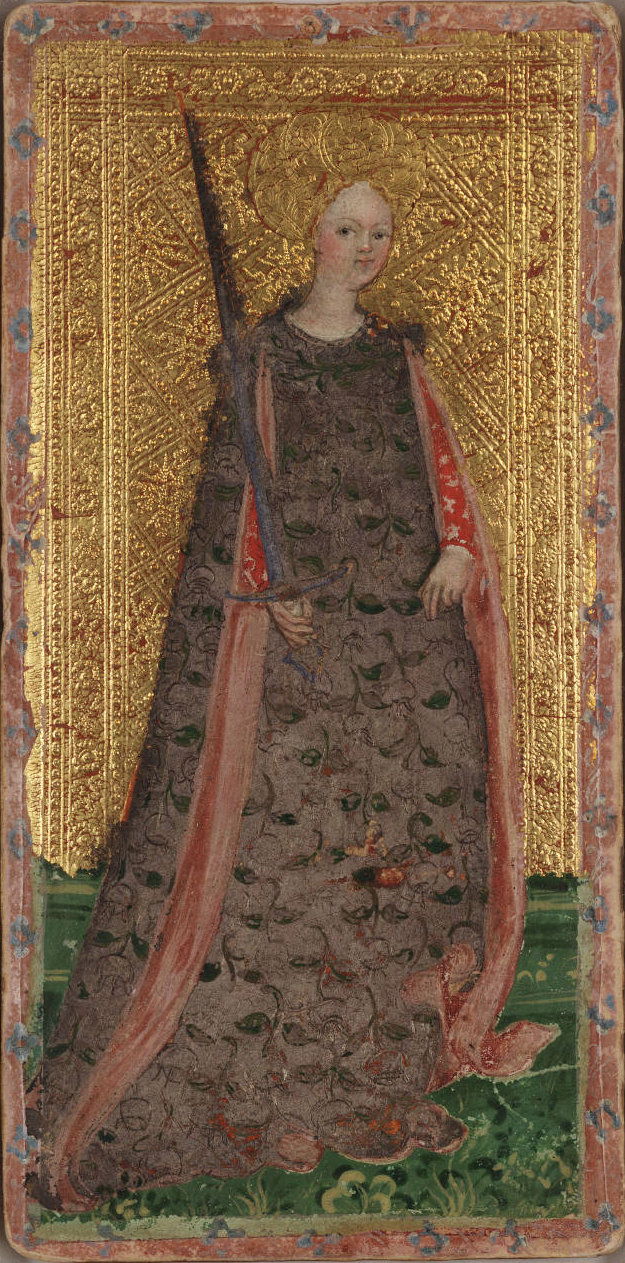
The Empress
The Tower
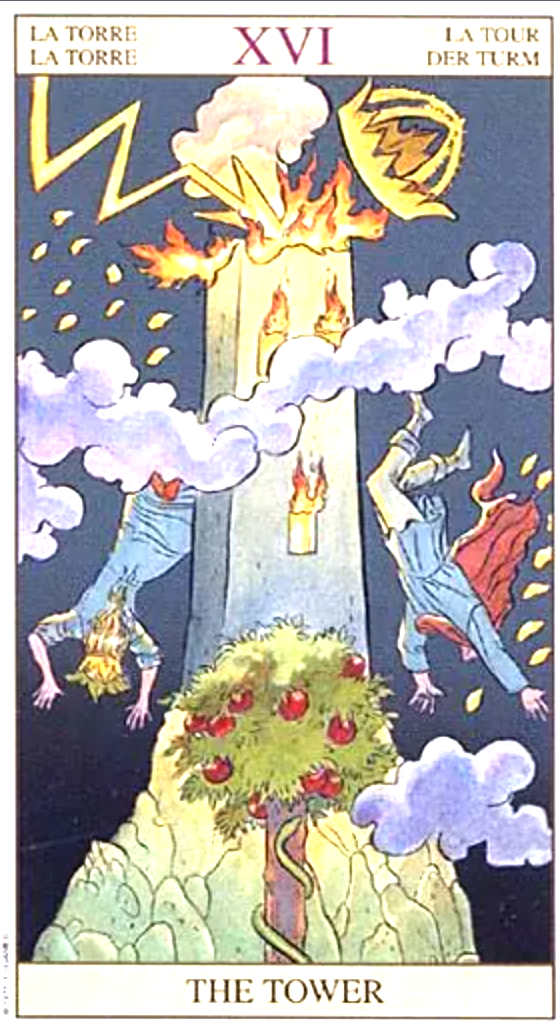

塔楼作为“魔鬼之屋”,16世纪意大利
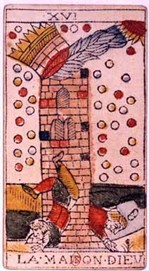
塔楼作为“上帝之屋”,16世纪法国
The Strength in Cary-Yale Tarot Deck or Visconti di Madrone Tarot
维斯康蒂体系中的宫廷牌(Brera-Brambilla & Cary-Yale):
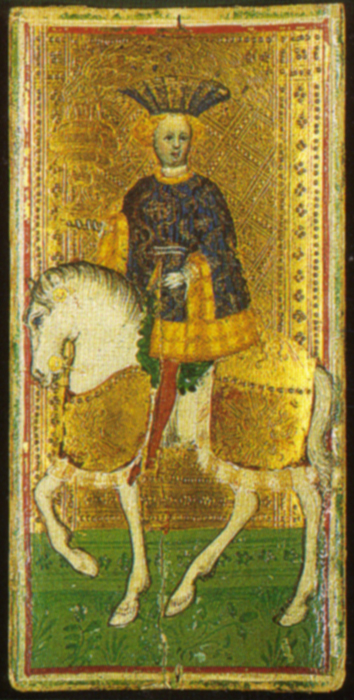
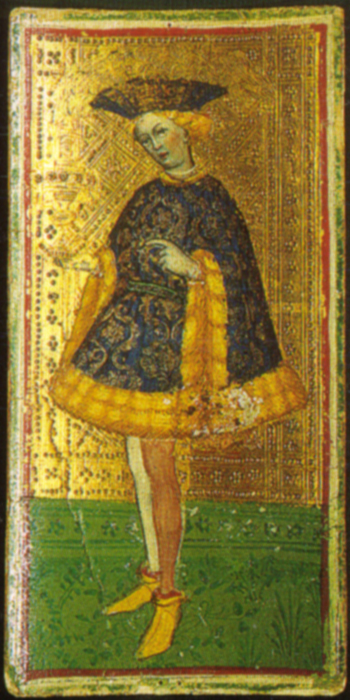
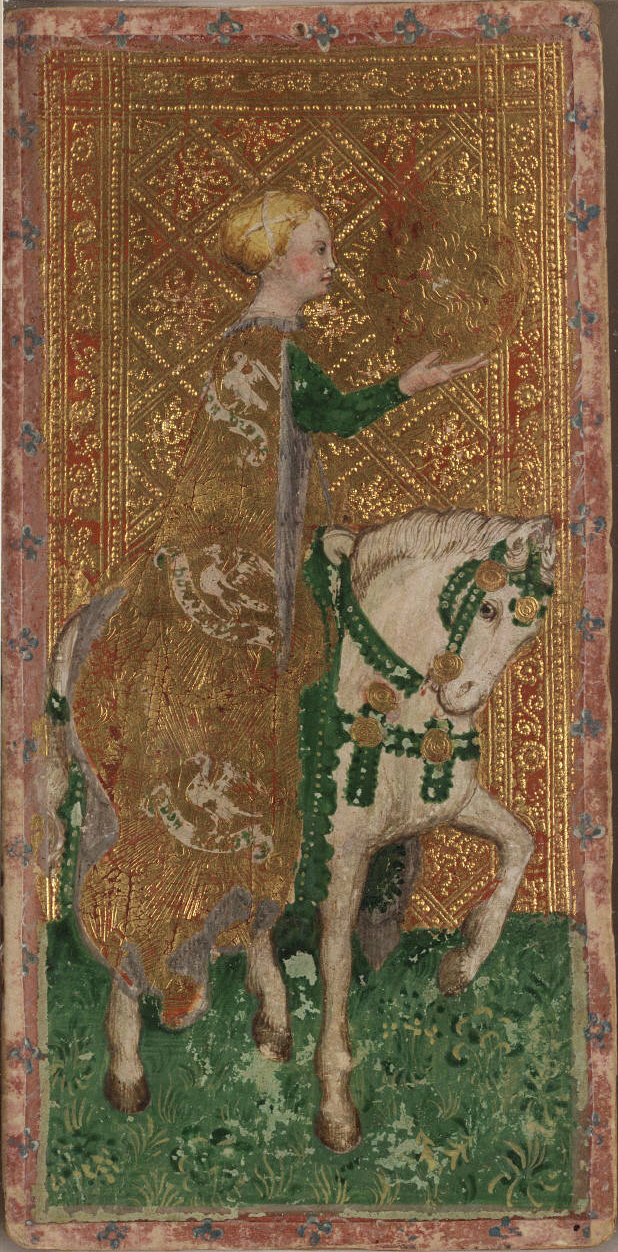
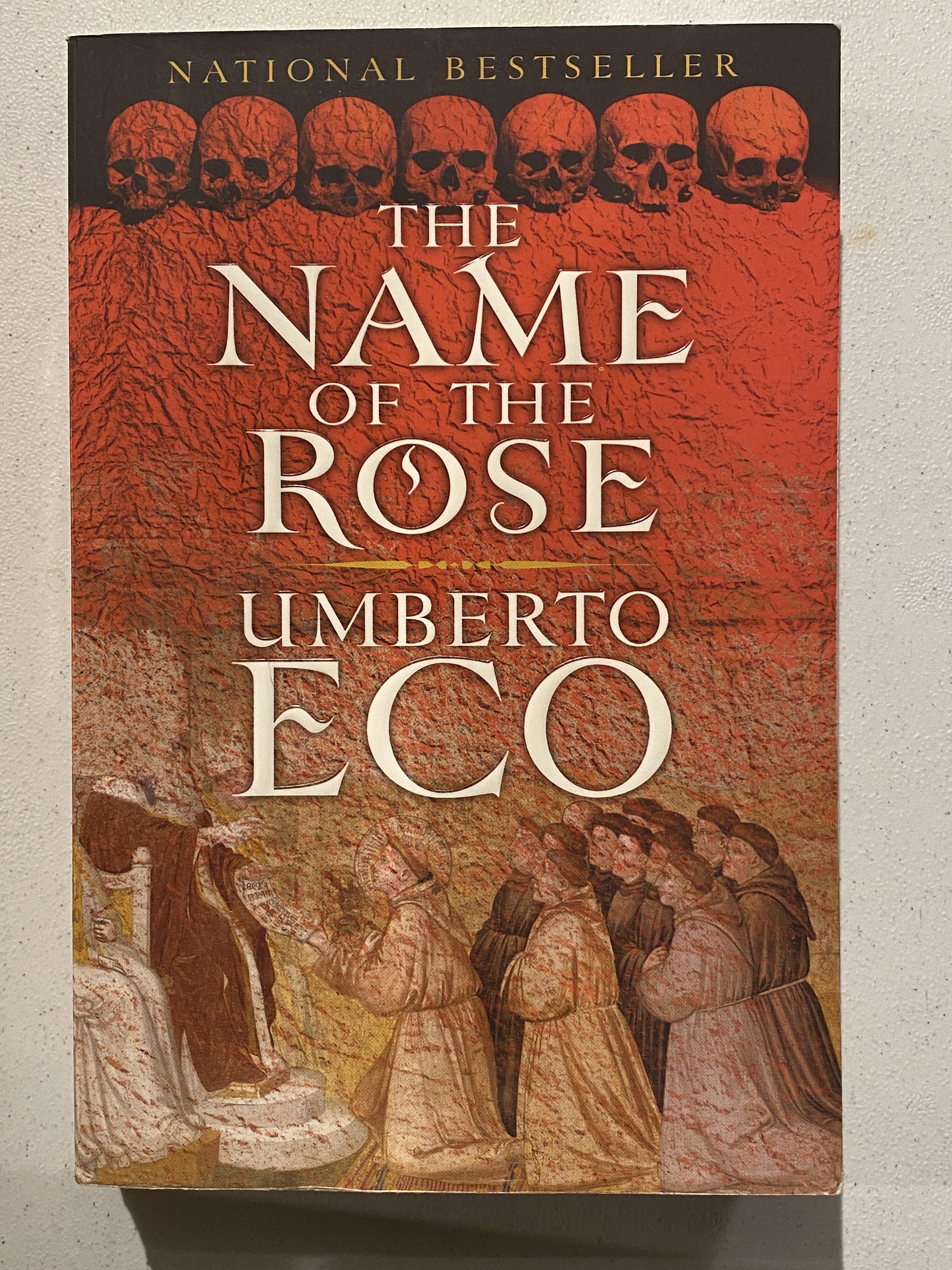
玫瑰的名字
包老师的《黑暗母性四部曲》:
其中《迦南》《牛津婴语词典》《亲爱的,我只是和他们一样坏》收入包老师短篇小说集《月相书》将于2026年出版。
Synchronicity
a concept by Carl Jung, describes meaningful coincidences where an external event mirrors an inner thought or feeling, without a direct causal link, like thinking of a friend just before they call. It's an acausal principle suggesting the mind and universe are interconnected, often seen as signs for personal growth or guidance, though skeptics attribute it to confirmation bias or pattern-seeking. Examples include repeating symbols, unlikely encounters, or shared wisdom, offering insight or reassurance.
Marsilio Ficino & Corpora Mundi
Marsilio Ficino, the key figure of Renaissance Platonism, viewed the world as a living, animated cosmos (Corpus Mundi) where celestial bodies, linked by sympathies, actively influence earthly life through a universal soul (Anima Mundi). This vision contrasted with Aristotelianviews, portraying a dynamic universe connected by spiritual forces, where humans, through philosophy, could ascend from matter back towards the divine, using practices like astrology and music to understand these hidden connections. Ficino's concept of the Corpus Mundi was central to his philosophy, bridging the divine and material realms through a living hierarchy of being.
Avsnitt sparat!
Du hittar sparade avsnitt på Mina sidor.
Kunde inte spara avsnitt
Något gick fel. Försök igen.