“When families are prepared — physically, emotionally, logistically — they are able to handle these moments a lot differently. There’s less panic, less guilt, and a little bit more empowerment.” — Dr. Taylor Rush
One minute, everything’s fine. The next minute, your loved one is on the floor. If fall prevention isn’t on your radar yet — or if you’re waiting until after the first fall happens — you’re not alone. But there’s a lot you can do right now to be better prepared.
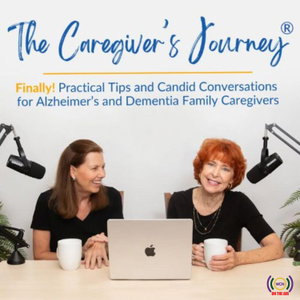
We are Sue Ryan and Nancy Treaster. As caregivers for our loved ones with Alzheimer’s and other types of dementia, we know firsthand how frightening falls can be — and how much the fear of a fall can affect both the person you’re caring for and yourself. We’re sharing five practical tips drawn from the expertise of Dr. Taylor Rush, clinical health psychologist and director of behavioral sciences and interdisciplinary programs at the Cleveland Clinic Center for Neurological Restoration. Taylor specializes in chronic neurological conditions including Parkinson’s and movement disorders, with a deep focus on supporting care partners through the challenges they face every day.
Let’s walk through five essential tips for preventing falls, handling them when they happen, and managing the emotional aftermath — for both you and your loved one.
Podden och tillhörande omslagsbild på den här sidan tillhör
Sue Ryan and Nancy Treaster. Innehållet i podden är skapat av Sue Ryan and Nancy Treaster och inte av,
eller tillsammans med, Poddtoppen.