Metabolic medications work by mimicking natural gut hormones and brain signals, not just by slowing down the digestive tract.
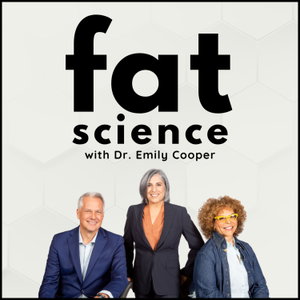
Dr. Emily Cooper, Mark Wright, and Andrea Taylor break down the rapidly evolving landscape of metabolic therapies. From oral options to high-dose formulations and pipeline molecules, the conversation cuts through public confusion to focus on biological mechanisms.
The discussion explores how these therapies interact with complex melanocortin and hormonal pathways in the brain. Rather than relying on rigid protocols or escalating doses prematurely, effective metabolic care focuses on individual biological response and measurable health parameters.
Key Takeaways
Modern metabolic therapies are designed to mimic native hormones like GLP-1, GIP, and amylin rather than simply slowing gastric emptying.
Clinical trial dosing sequences are designed for regulatory approval, while individualized clinical practice prioritizes symptom stability and health markers over reaching maximum doses.
Health improvements such as blood pressure regulation, cholesterol shifts, and liver markers often occur independently of scale changes.
Resources Mentioned
Diabesity Institute Foundations Course
Cooper Center for Metabolism
Connect with Us
Podcast Home:fatsciencepodcast.com
Cooper Center for Metabolism:coopermetabolic.com
Diabesity Institute: diabesityinstitute.org
Resources from Dr. Cooper:coopermetabolic.com/resources
Join Our Community:patreon.com/cw/FatSciencePodcast
Submit Your Question: questions@fatsciencepodcast.com or dr.c@fatsciencepodcast.com
Fat Science is supported by the Diabesity Institute, a nonprofit dedicated to increasing access to effective, science-based metabolic care.
This podcast is for informational purposes only and is not intended as medical advice. Please consult with a qualified healthcare provider for personalized recommendations.
Produced by: Podcast Impact Studio https://podcastimpactstudio.com