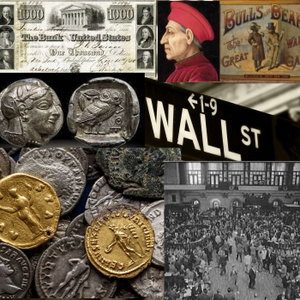
Rome is not just marble temples and marching legions. It is benches in the Forum where money changers listen to coins ring, wax tablets that lock in loans, and quiet banking networks that keep grain ships moving and armies paid. Once you look at ancient Roman finance up close, the empire starts to feel less like destiny and more like a set of financial choices, incentives, and constraints.
We walk through what finance actually does, reallocating value through time, spreading risk, directing capital, and scaling trust so bigger transactions can happen. Then we get personal: Cicero’s moralized view of commerce reveals why Roman elites publicly sneer at banking while privately relying on it. That tension sets the stage for Julius Caesar’s debt-fueled rise, the treasury raid that turns state reserves into military operating cash, and coinage reforms that standardize money while making power visible through a living portrait and the gold aureus.
From there, we zoom into the mechanics: counterfeit detection with touchstones and the “ring test,” the market discipline that money changers can impose when rulers debase coinage, and the Publicani system that outsources taxation and infrastructure to investor partnerships. Finally, we use real evidence from wax tablet archives in Puteoli and Pompeii to show Roman banking and trade finance in practice, before landing on Augustus and the tax reforms that create a more predictable imperial revenue base and help enable the Pax Romana.
If you like history of money, banking, and trade that connects everyday transactions to the rise and fall of states, subscribe, share this with a friend, and leave a review so more people can find the show.
Podden och tillhörande omslagsbild på den här sidan tillhör
Mike D. Innehållet i podden är skapat av Mike D och inte av,
eller tillsammans med, Poddtoppen.