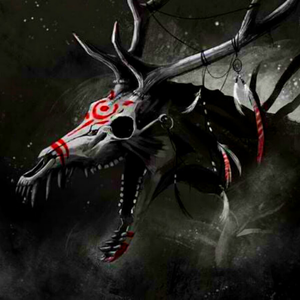
He was trusted with life at its most fragile moments. He made house calls. He signed death certificates. And for decades, no one questioned the pattern. This video descends into the chilling case of Harold Shipman, often referred to as Dr. Death—a man who may be responsible for more deaths than any other serial killer in recorded history. Not through chaos or violence, but through routine. Through familiarity. Through trust. This is not just the story of a killer. It's the story of how systems fail quietly. We explore the dark psychology, hidden warning signs, and systemic blind spots that allowed Shipman to operate in plain sight for decades. How authority suppresses suspicion. How normalcy becomes camouflage. How death, when it comes gently and repeatedly, stops looking suspicious at all. Rather than focusing only on timelines and body counts, this episode examines the unsettling implications of the case: How many deaths were never questioned because they looked natural How paperwork can become a weapon How trust, once institutionalized, can be exploited without resistance This is a slow-burn descent into a horror that doesn't announce itself. There are no masks. No crime scenes. No dramatic chases. Only quiet rooms. Medical records. And a pattern no one wanted to see. Thank you for watching Roanoke Tales! Patreon: https://www.patreon.com/c/RoanokeTalesPatreon Roanoke Gaming: https://www.youtube.com/@UCs8lYkna2S6DkcHO9o2008A Instagram: https://www.instagram.com/roanokegaming/ Twitter: https://x.com/RoannokeGaming Thank you for watching Roanoke tales Wendigo illustration made by Tania Sanchez-Fortun. Here are the links! Instagram : https://www.instagram.com/tania_sanchezfortun_art/ Cara ; https://cara.app/tsanchezfortun Artstation : https://www.artstation.com/taniasanchezfortun Go and check out his work! We also explore the psychological dimensions of Shipman himself—not to explain or excuse, but to understand how someone so unremarkable could become so lethal. Was this about control? Godhood? Routine? Or something colder—something that thrived specifically because it blended in so well? Throughout the video, we treat this case as more than history. We approach it as a warning. A reminder that horror doesn't always look like fear. Sometimes it looks like reassurance. Sometimes it wears a white coat. This episode includes speculative analysis, psychological theory, and unresolved questions, presented not as answers—but as shadows cast by what we know. Because even now, there are deaths tied to Shipman that remain uncertain. And that uncertainty is part of the horror. If you enjoy dark lore, true crime examined through a psychological and existential lens, and stories that linger long after the screen goes dark—this is for you. Some monsters don't hide. They're invited inside. #TrueCrime #DarkLore #RoanokeTales
Podden och tillhörande omslagsbild på den här sidan tillhör
Roanoke Tales. Innehållet i podden är skapat av Roanoke Tales och inte av,
eller tillsammans med, Poddtoppen.