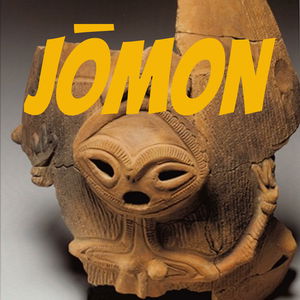
Similar to modern hunter-gatherers, the Jōmon people would have eaten a much wider variety of foods than modern-day city dwellers. In fact, the Ainu of northern Japan, who share much more of their DNA with the ancient Jōmon people than any other group of modern humans, have identified 300 different foods consumed as part of their traditional diets. The Jōmon’s sources of protein alone would have included arboreal animals, which live in trees; terrestrial animals, which live on the ground; fossorial animals, which live underground; and aquatic animals, which live in water.
In terms of plants, the Jōmon people consumed items that would rarely appear on the menu of a modern restaurant. Some of the mainstays of the Jōmon diet would have been chestnuts and acorns! However, these food sources often required elaborate processing, like being soaked in ash and water, to make them both edible and palatable.
Finally, although their diets were extremely varied and seasonal, it is thought, based on the study of modern hunter-gatherers, that they spent no longer than 3 to 4 hours a day in collecting the calories required for their survival. What did they do with the rest of the day? Clearly they used some of their time to develop artistic and spiritual traditions as is evidenced by the exquisite pottery unearthed at this site and many others throughout Yamanashi and the rest of Japan.
Podden och tillhörande omslagsbild på den här sidan tillhör
Shiseki Umenokiiseki Park. Innehållet i podden är skapat av Shiseki Umenokiiseki Park och inte av,
eller tillsammans med, Poddtoppen.