Book a Call with Dr Steve. Book a Call with Dr Steve
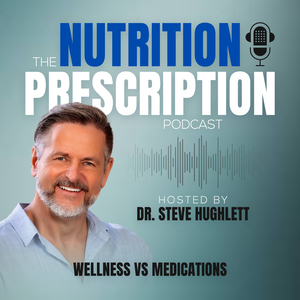
Proper nutrition is not just about whether you can eat a food. It is about whether that food gives your body the building materials it needs to grow, repair, heal, and function well. In this episode of Nutrition Prescription: Wellness vs. Medications, we talk about the difference between real, whole foods and modern laboratory-made foods.
Your body is made from real materials. It needs protein, healthy fats, cholesterol, vitamins, minerals, and water to build muscles, bones, organs, hormones, nerves, and healthy cells. Yet many people have been taught to fear foods that naturally contain fat and cholesterol while relying on highly processed foods made with refined sugar, seed oils, and chemicals.
Steve explains why protein provides essential amino acids, why fat plays a major role in hormones, energy, brain function, and vitamin absorption, and why cholesterol is important for cell membranes, hormones, bile acids, vitamin D, and the nervous system. We also discuss why your body does not require added sugar, refined carbohydrates, or laboratory-made food products in order to survive.
The big idea is simple: the closer your food is to the way God made it, the more likely it is to provide the nutrition your body recognizes and can use. Focus on animal-based foods, real whole foods, and seasonal fruits and vegetables. Move away from foods that come from factories, refineries, and laboratories.
If you are tired of feeling confused about nutrition, low on energy, or stuck in a cycle of processed food cravings, this episode will help you look at food in a new way. Start asking a better question: "Can my body use this to grow, heal, thrive, and survive?"
Ready to learn how to eat real food, reduce processed foods, and build a healthier lifestyle without restrictive dieting? Visit DrSteveHughlett.com to learn more and book a call.
-
Your body needs real building materials—protein, fat, cholesterol, vitamins, minerals, and water—to build and repair cells, muscles, bones, organs, hormones, and nerves.
-
Protein supplies amino acids, including nine essential amino acids that must come from food because your body cannot make them on its own.
-
Dietary fat is important for energy, hormone production, cell membranes, brain and nerve tissue, warmth, fullness after meals, and absorbing vitamins A, D, E, and K.
-
Cholesterol is not just something to fear. Your body uses it in every cell, and it plays a role in cell membranes, hormone production, bile acids, vitamin D, and healthy nerve function.
-
Highly processed foods made with refined sugar, fructose, industrial seed oils, and chemical additives may be easy to eat, but they do not provide the same nutrition as real, whole foods.
- Disclaimer: The information provided on this channel/podcast/publication is for educational and informational purposes only and is not intended as a substitute for advice from your physician or other qualified healthcare provider. Always consult your doctor before making any changes to your diet, exercise routine, or medications