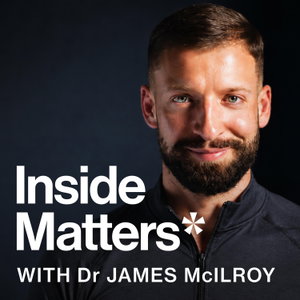
Professor Alexandra Johnstone joins Dr James McIlroy to explore what makes us hungry, what helps us feel full, and why healthier choices are rarely a matter of willpower alone.
A conversation on chrononutrition, protein, food inequality, GLP-1 medicines and the future of public health.
The big idea: Our bodies, habits and surroundings all influence how we eat. Better health therefore needs more than individual resolve: it needs practical advice, supportive environments and policies that make nourishing food easier to choose.
Breakfast, body clocks and the timing of food
Is breakfast really the most important meal of the day? Professor Johnstone’s answer is an emphatic yes—but not because breakfast has any magical property. Her research focuses on chrononutrition: the relationship between what we eat, when we eat it and the body’s roughly 24-hour circadian rhythms.
The timing of the largest meal may not dramatically alter how much energy the body burns, but it can change how eating feels. A larger breakfast appears to help people feel fuller and may make a calorie-reduced diet easier to follow. The body also tends to be more sensitive to insulin earlier in the day.
There is no universal clock-time definition of breakfast. A useful way to think about it is the first meal within two or three hours of waking.
Fasting is a tool, not a loophole
Intermittent fasting and time-restricted eating can be useful for some people, but they are behavioural strategies rather than shortcuts around energy balance. Professor Johnstone favours including the morning meal and offers the practical reminder: eat breakfast like a king and dine like a pauper.
What does a healthy breakfast look like?
From traditional cooked breakfasts to fortified cereals, the conversation explores nutritious options while highlighting the difference between everyday foods and occasional treats.
Hunger and appetite are not the same thing
A clear and helpful distinction between true hunger and appetite, and why reducing eating behaviour to willpower alone is so misleading.
Why protein is filling
Protein is the most satiating nutrient. The episode dives into the science of satiety, the importance of whole-food sources, and why solid protein tends to be more filling than liquid forms.
Fibre does a different—but equally important—job
While protein excels at satiety, fibre is essential for gut health. The trade-offs and benefits of both are explored.
The obesity paradox and fixing the food environment
Obesity is strongly patterned by inequality. The discussion covers food insecurity, the obesogenic environment, retail promotions, and the need for policy changes that make healthier choices easier.
Ultra-processed food: a debate that needs more evidence
A nuanced look at ultra-processed foods, their role in the diet, and what the current science can – and cannot yet – tell us.
GLP-1 medicines: powerful treatment, unanswered questions
The benefits, limitations, and challenges of GLP-1 medications, including muscle preservation, long-term use, and access/inequality concerns.
Alcohol, Mediterranean patterns and the value of connection
The role of social connection, shared meals, and balanced enjoyment of food and drink.
A practical takeaway: build patterns, not perfection
Realistic, compassionate advice for building sustainable eating habits without shame or moral judgment.
What comes next
Professor Johnstone shares her vision for the future of nutrition science, including better guidance for shift workers, updated protein recommendations, and improved food systems.
About the Conversation In this episode of Inside Matters, host Dr James McIlroy speaks with Professor Alexandra Johnstone, Chair of Nutrition at the University of Aberdeen.
Timestamps:
- 00:00 Meet Professor Alex Johnson
- 01:53 Breakfast and Chrononutrition
- 05:13 Fasting and Eating Windows
- 07:59 What Makes a Healthy Breakfast
- 10:42 Hunger vs Appetite Explained
- 15:49 Protein and Satiety Science
- 18:20 Obesity Paradox and Poverty
- 19:53 Fixing the Food Environment
- 23:11 Gut Brain Axis and Weight Defense
- 27:06 Obesogenic Retail and Policy Changes
- 31:16 Alcohol Mediterranean Diet and Blue Zones
- 38:05 Why Protein Fills You Up
- 38:52 Protein Satiety Mechanisms
- 39:32 Amino Acids vs Whole Protein
- 40:48 Liquid Meal Replacements
- 43:49 Ultra Processed Food Debate
- 50:41 Scotland Diet Reality Check
- 52:37 Red Meat and Cancer Risk
- 53:47 GLP-1 Weight Loss Challenges
- 55:07 Microdosing and Inequality
- 01:04:19 Muscle Loss and Nutrition
- 01:05:50 Fibre Deep Dive
- 01:08:21 Sweeteners and Microbiome
- 01:10:44 Future Vision and Wrap Up