Dela
Back in 2013, Scott Alexander wrote in Extreme mnemonics:
JS-154 is one of five metabolic products of netamine; however, the enzyme that produces it is unknown. It is manufactured in cells in the far rostral region of of the cerebrum, but after binding with a leukocynoid it takes a role in maintaining the blood-brain barrier – in particular guiding the movements of lipid molecules.
I find I can read paragraphs like this five or six times, write them on flashcards, enter them into Anki, and my brain still refuses to understand or remember them after weeks of trying.
On the other hand, my brain easily remembers vastly more complicated structures when they’re loaded with human-accessible meaning. For example, just by casually reading the Game of Thrones series, I know an extremely intricate web of genealogies, alliances, locations, journeys, battlesites, et cetera. Byte for byte, an average Game of Thrones reader/viewer probably has as much Game of Thrones information as a neuroscience Ph.D has molecular biology information, but getting the neuroscience info is still a thousand times harder.
[…]
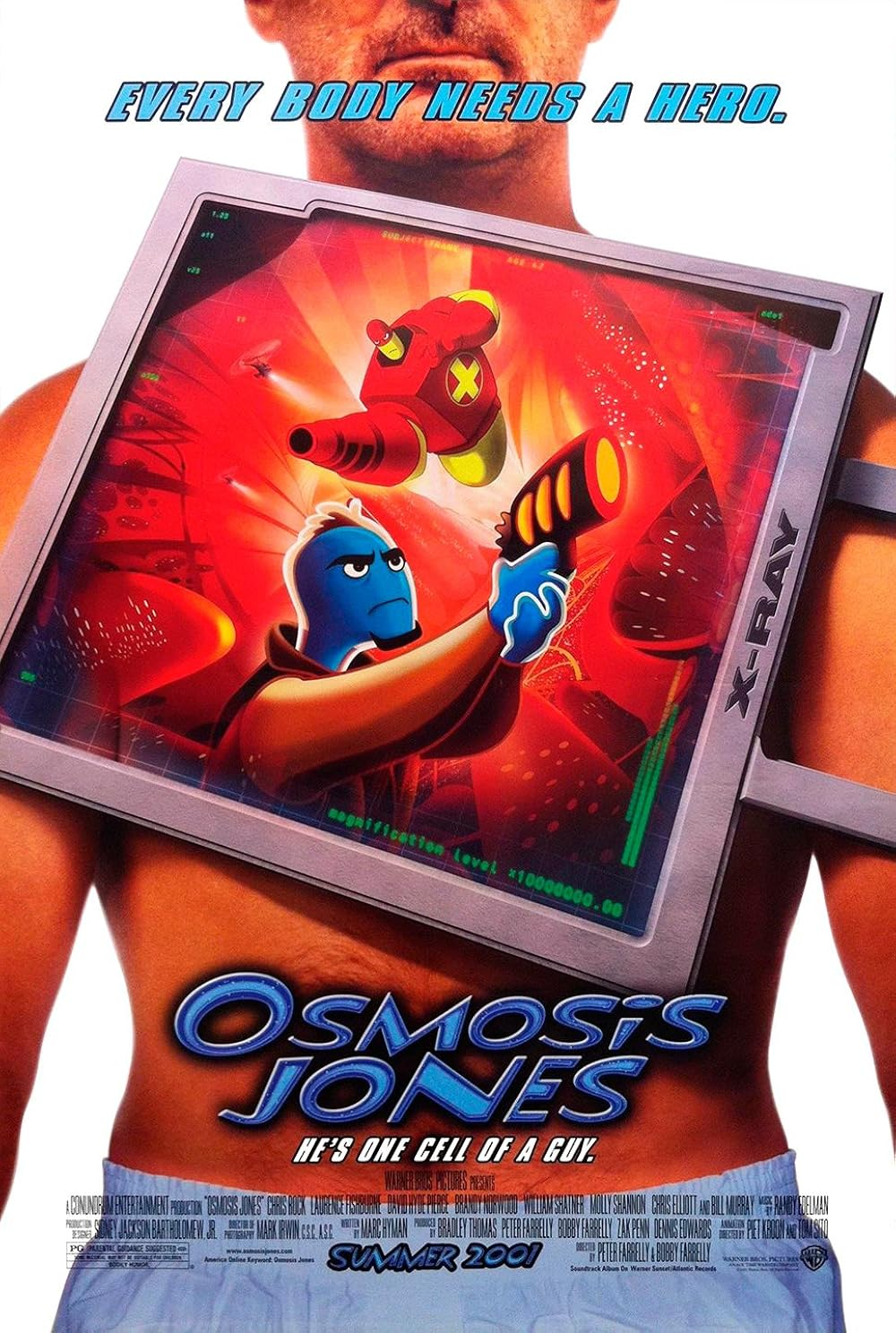
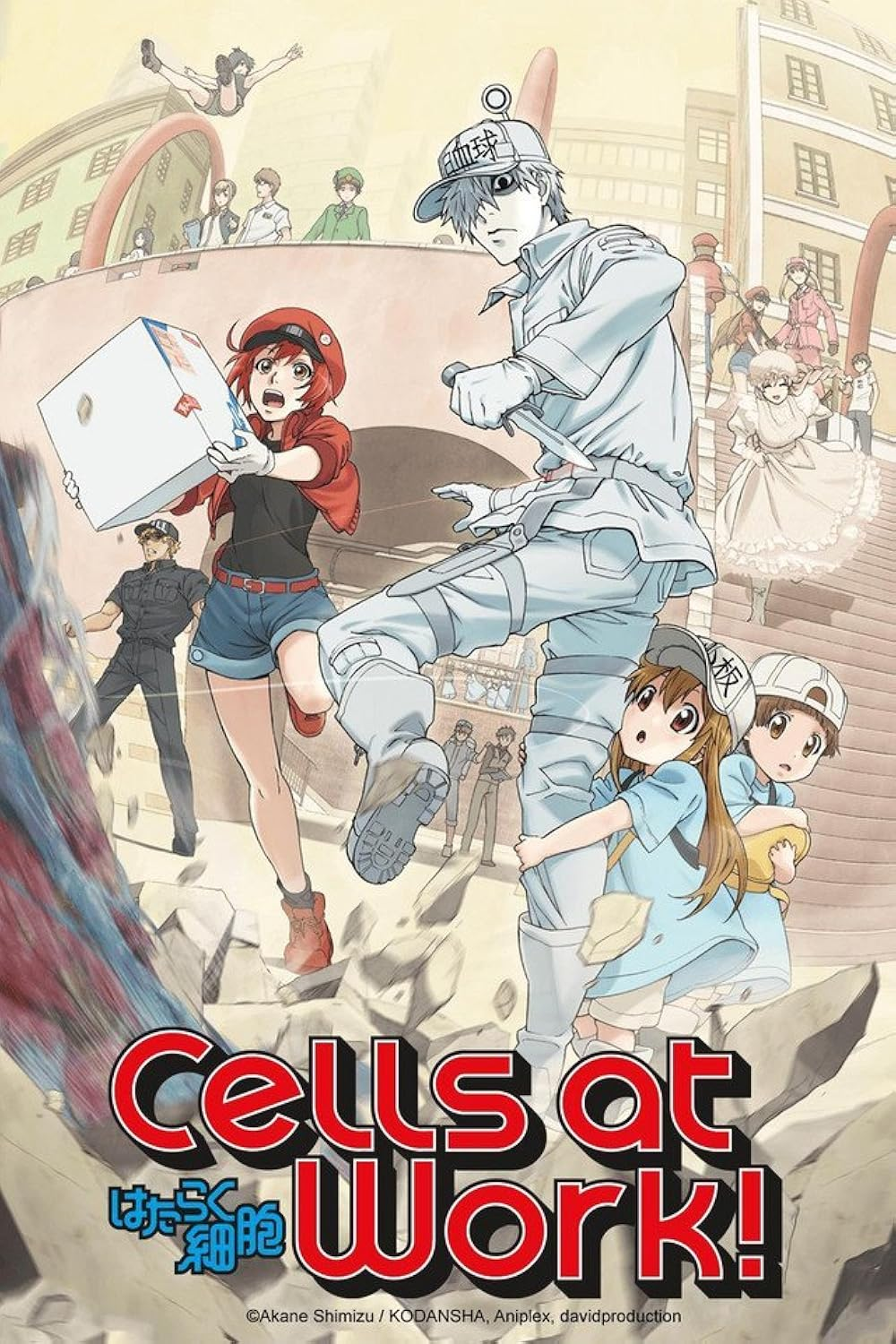
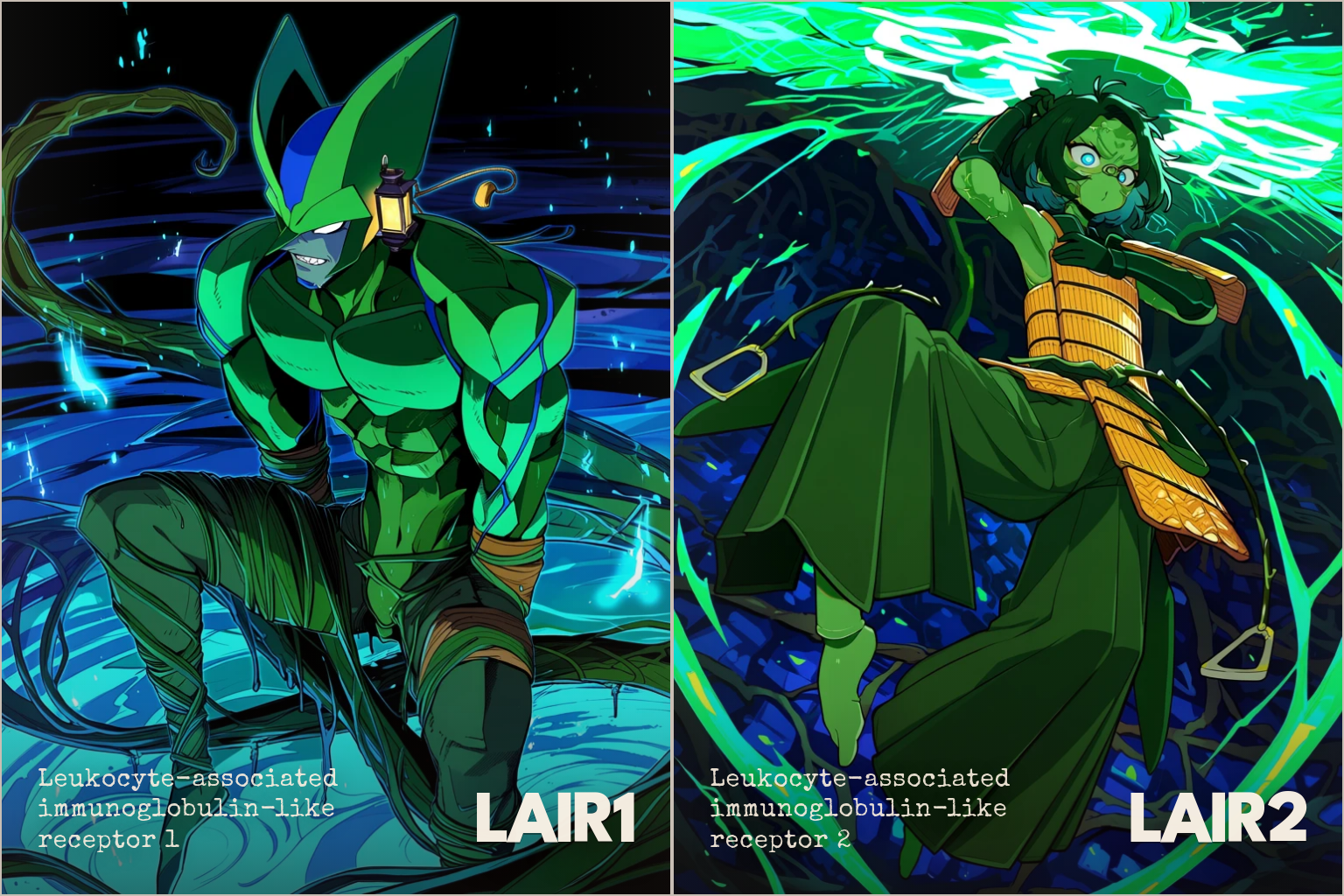
This makes me wonder if it would be possible to produce a story as enjoyable as Game of Thrones which was [...]
---
Outline:
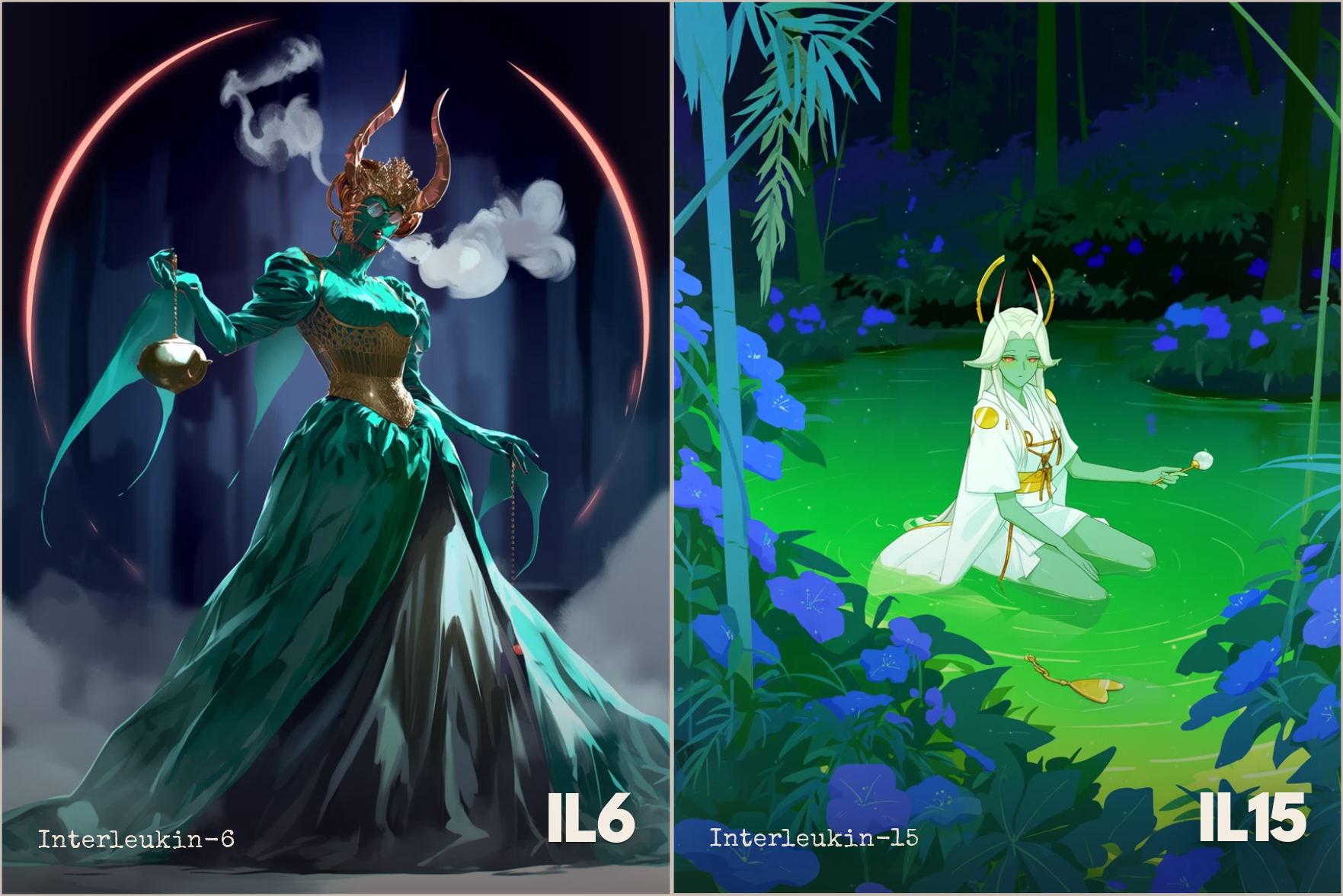
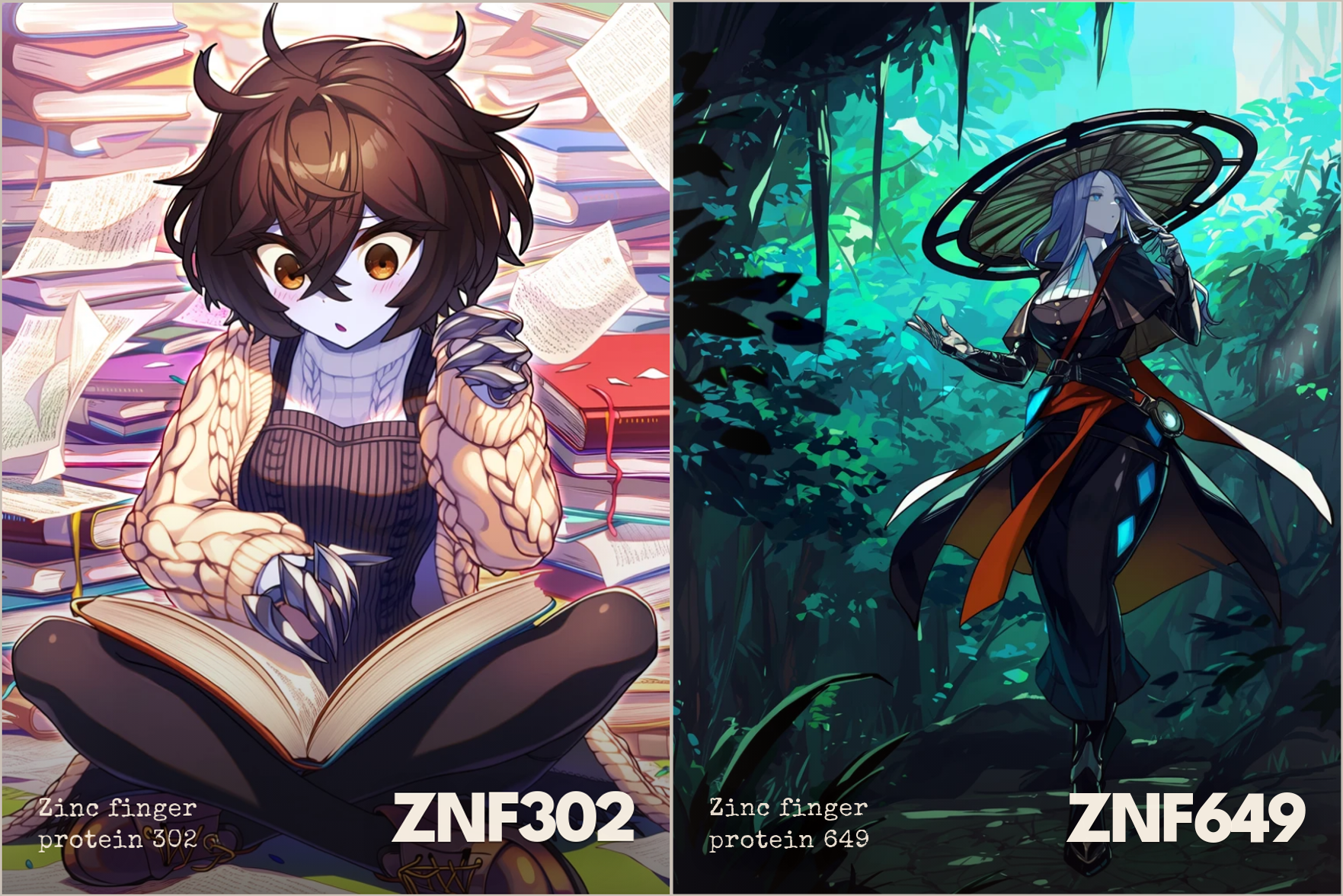
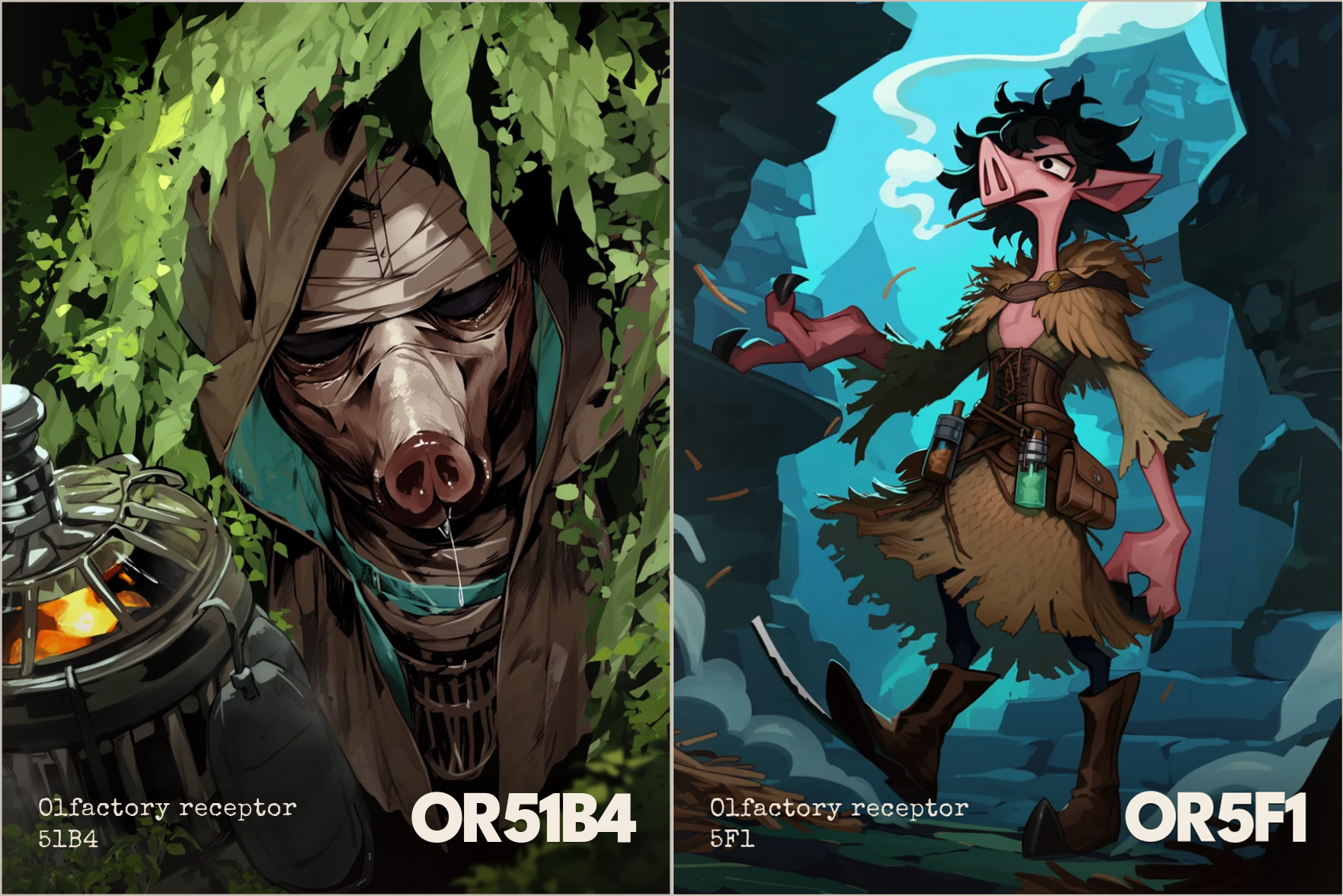
(01:47) What molecules should we map to the characters?
[... 8 more sections]
---
First published:
May 28th, 2026
Source:
https://www.lesswrong.com/posts/BJ7AqXeigNKXLqZyx/mnemonic-portraits-for-19-023-human-genes
---
Narrated by TYPE III AUDIO.
---



Avsnitt sparat!
Du hittar sparade avsnitt på Mina sidor.
Kunde inte spara avsnitt
Något gick fel. Försök igen.