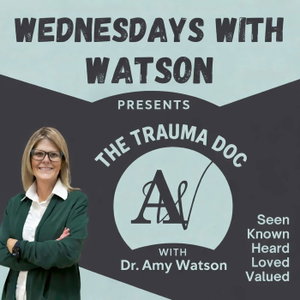
Send us Fan Mail
Some of the behaviors you hate most about yourself might be proof that your brain did its job. Lauren Starnes joins me for a role-reversal conversation where she asks the questions and we go deep on adverse childhood experiences (ACEs), childhood trauma, and the nervous system patterns that can follow us into adulthood.
We break down what an ACE score actually measures, why trauma is individual, and why the point is never comparison, it’s clarity. We connect the dots between early attachment wounds and the adult “protectors” so many of us live with: perfectionism, people pleasing, overgiving, control, and even self-sabotage. If you’ve ever felt ashamed of how you cope, I want you to hear this: those patterns often started as survival strategies designed to keep you connected and safe.
We also talk about burnout and the window of tolerance, plus what it looks like to “grow” your nervous system instead of white-knuckling your way through life. Lauren shares why healing happens best in safe connection, not in isolation, and why practicing small, intentional imperfection can expand capacity over time. I also share why deeper memories can surface as we remove old survival blocks, and why you should never go to those places alone.
If this conversation hits close to home, share it with someone you trust, subscribe so you don’t miss the next one, and leave a review to help more people find support and hope. What protector do you recognize most in yourself right now?
What are ACEs and how do I know my score? Click here for quiz
Lauren Contact:
Adverse Childhood Experiences (ACEs) are potentially traumatic events that occur before age 18, including abuse, neglect, and household challenges. These experiences are strongly linked to long-term health, mental health, and relational outcomes.
The 10 ACE Categories
Abuse
- Emotional abuse
- Physical abuse
- Sexual abuse
Neglect
4. Emotional neglect
5. Physical neglect
Household Challenges
6. Mother treated violently (domestic violence)
7. Household substance abuse
8. Household mental illness or suicide attempt
9. Parental separation or divorce
10. Incarcerated household member
“This quiz isn’t about labeling yourself—it’s about understanding your story with more clarity and compassion.”
You ARE:
SEEN KNOWN HEARD LOVED VALUED