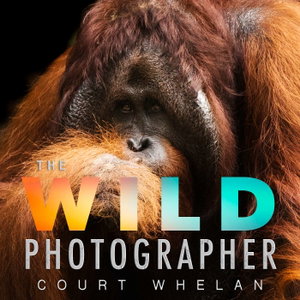
There’s a big difference between taking a photo of wildlife and making a wildlife photograph.
That’s really the heart of this episode. In Wildlife Photography 102 and 103, we move beyond the basics and into the field-tested techniques that help transform a good wildlife sighting into a more captivating, artful, professional-looking image.
This isn’t about needing the fanciest camera or the biggest lens. It’s about learning how to stack the deck in your favor, first with Technique... choosing your angle, understanding light, reading behavior, waiting for the moment, managing your background, and dialing in the right settings so that when the magic happens, you’re ready for it. And, why the best wildlife photographers are often the ones who watch first and shoot second.
Then we shift into the Settings side of the equation: why shooting in RAW is such a game changer, why I love manual mode with Auto ISO, how to think about shutter speed for calm wildlife versus true action, and when to use burst mode or pre-record features to capture moments that happen faster than your brain can react.
The overall goal? To move past the “field guide shot” and create wildlife images that feel more alive, more intentional, and more memorable.
In This Episode
We cover:
- How to avoid the classic “field guide shot”
- Why low angles create more intimate and aesthetic wildlife images
- How telephoto lenses can help lower your effective shooting angle
- How background separation creates that pro-level wildlife portrait look
- Why distance between the animal and background matters so much
- How to choose backgrounds based on color, texture, pattern, and layers
- Why patience is often the secret ingredient in great wildlife photography
- How to wait for the best moment instead of settling for the obvious one
- What catch light is and why it brings life into an animal’s eye
- Why shooting to edit can improve your compositions
- How golden hour, clouds, and dramatic weather can elevate your photos
- When spot metering can create more dramatic or unexpected exposures
- Why shooting in RAW is essential for advanced editing
- Why manual mode plus Auto ISO is my favorite setup for wildlife
- How to think about shutter speed for different kinds of wildlife behavior
- When to use motion blur creatively
- How panning can create streaky, dynamic wildlife images
- Why burst mode is so useful for fleeting behavior
- How pre-record features can help capture pounces, takeoffs, breaches, and other split-second moments
Final Thoughts
Wildlife Photography 102 and 103 is really about becoming more intentional and creating art vs. just documenting what you saw. It’s the shift from “I saw something amazing” to “I made something compelling out of the moment.”
That comes from little choices that add up: getting lower, watching the background, waiting for behavior, catching the light in the eye, choosing the right shutter speed, and giving yourself room to edit. None of these techniques require perfection. They just require awareness — and a willingness to slow down, observe, and make decisions before the moment disappears.
Court's Websites
Sponsors and Promo Codes: