
Dela
主播: Flora(中国)+梅莉(法国)
音乐: We Found Love
01. 在伦敦买的“大本钟”冰箱贴,竟然来自中国大学?
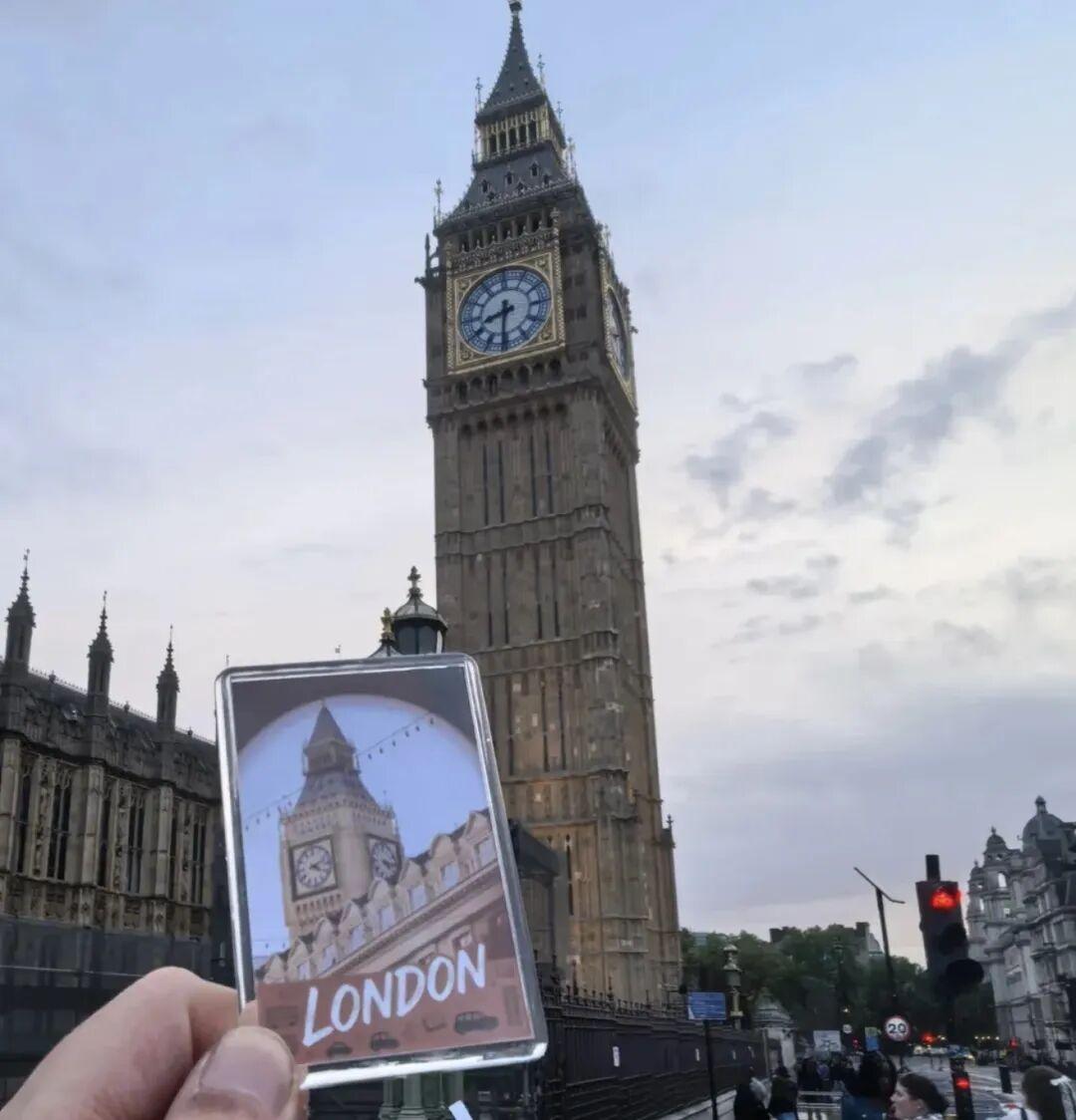
最近,一位中国游客在伦敦买了一块大本钟冰箱贴(a fridge magnet),冰箱贴上有一座英伦风格的钟楼,上面还印着大大的“LONDON”。
游客特意拿着冰箱贴,跑到真正的大本钟前打卡,结果怎么都对不上。最后才发现,这座钟楼居然来自中国郑州的郑州西亚斯学院(Sias University)!
准确地说,它是这所学校"伦敦街"上的一座仿建钟楼(a replica of Big Ben)。这位游客忍不住吐槽:"大老远带了张人家学生宿舍的照片回了国。"
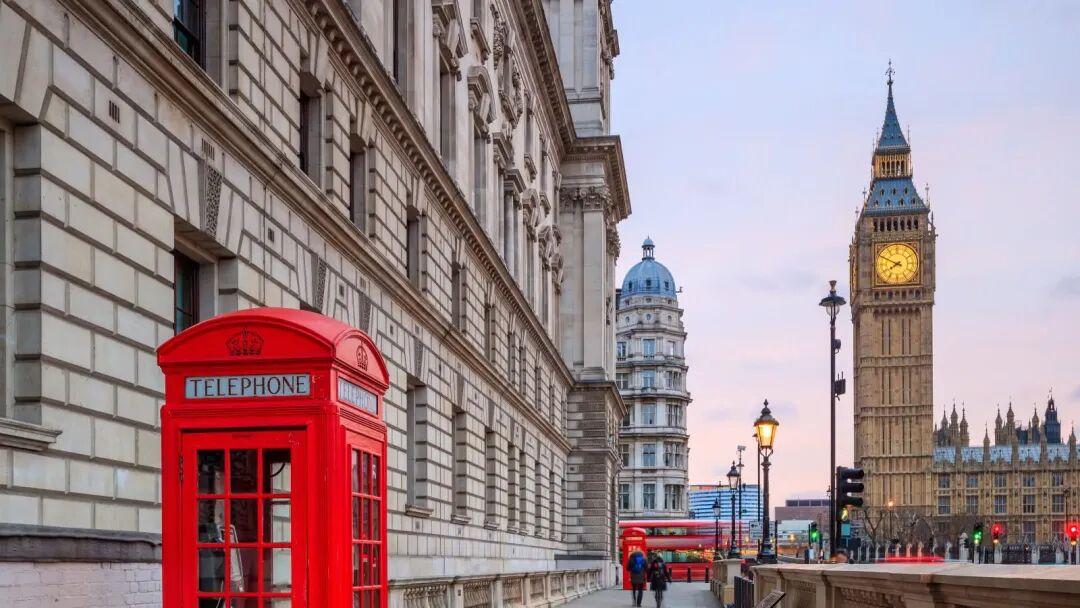
不过,话说回来,位于泰晤士河畔的 Big Ben(大本钟)确实是伦敦最具代表性的地标之一。不同的城市和地区都有自己的地标(landmark)。
02. 什么样的建筑能成为城市地标?
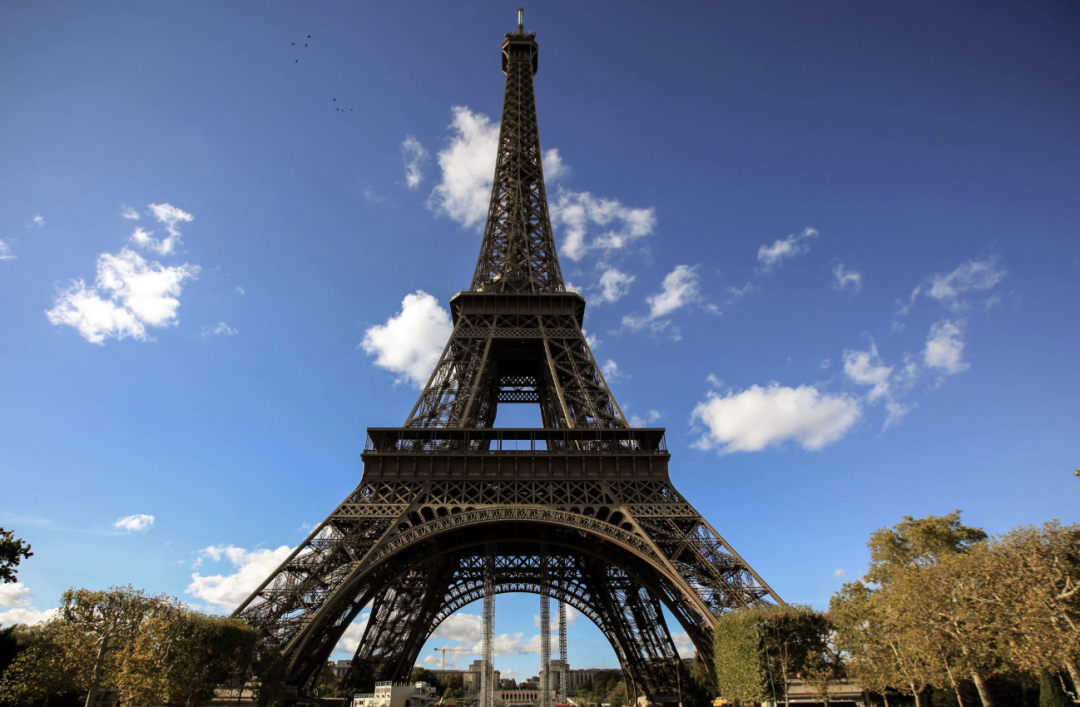
A landmark is a place or structure that’s easy to recognize. So it is important to a particular area.
Landmark 指的是容易辨认(easy to recognize)、能够代表某个地区的地方或建筑。它不一定是建筑物(building),也可以是自然景观(natural feature)。
比如说:The landmark of Paris is the Eiffel Tower.
埃菲尔铁塔是巴黎的地标。
The landscapes of Guilin are also landmarks.
桂林的山水也是地标。
So the clock tower at Sias University in Zhengzhou is a replica of Big Ben.
这里有一个很实用的词:replica,意思是"复制品"或"仿制品"。
郑州西亚斯学院的钟楼是仿照大本钟建造的。
03. 用英语介绍世界著名地标
除了 landmark,我们还可以用哪些英语表达来介绍一个地方的地标呢?
A place is famous for…
这个句型的意思是"某个地方以……闻名"。
For example, "Paris is famous for the Eiffel Tower."
巴黎以埃菲尔铁塔闻名。
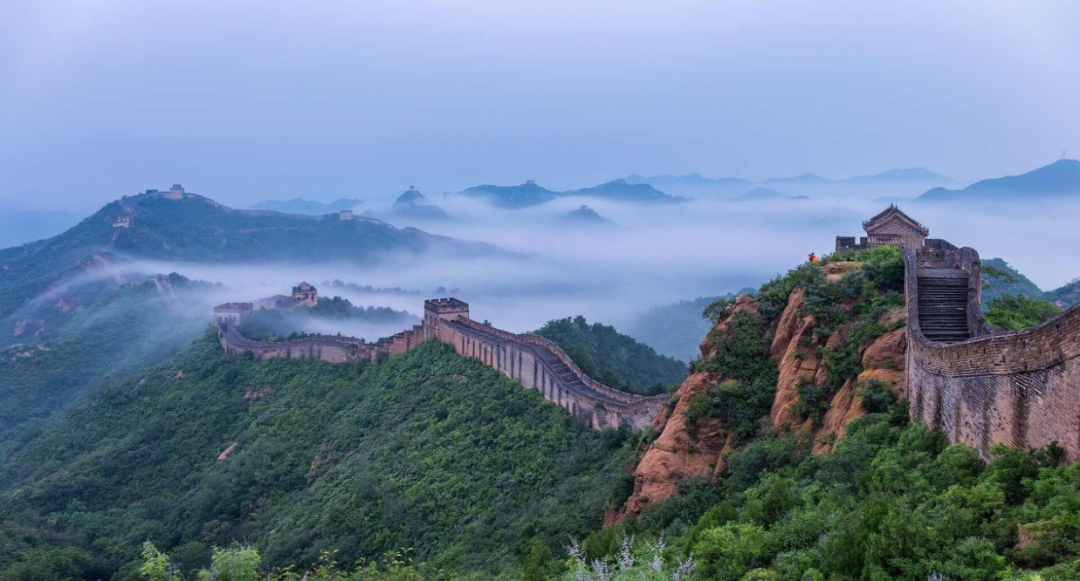
"Beijing is famous for the Great Wall."
北京以长城闻名。
"And Chengdu is famous for its pandas and spicy food."
成都以大熊猫和辛辣美食闻名。
所以,这个句型不只能用来介绍建筑,还可以介绍一个地方的美食、文化和特色。
Just put the thing you’re talking about after "famous for."(只需要把你想介绍的事物放在 famous for 后面就可以了。)
如果你想更具体地介绍某个著名地标,还可以使用另一个句型:
"Something is a famous landmark in a place." 意思是"……是……的一处著名地标"。
For example, "The Statue of Liberty is a famous landmark in New York City."
自由女神像是纽约市的一处著名地标。同时,它也是美国自由与民主的重要象征。
"And the Oriental Pearl Tower is a famous landmark in Shanghai."
东方明珠塔是上海的一处著名地标。
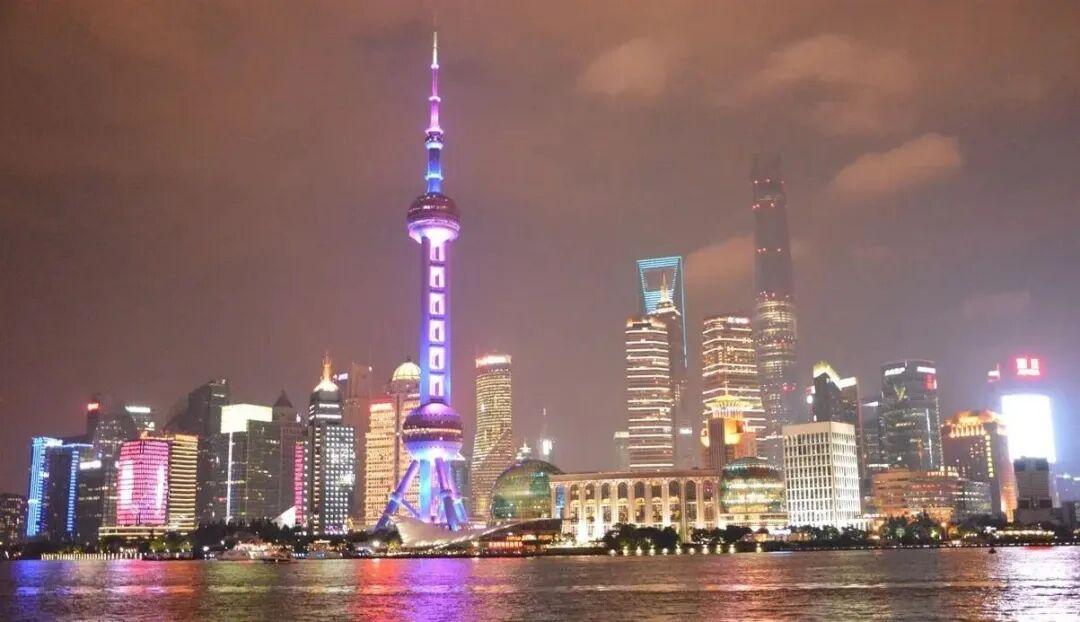
这些表达都学会了,还有没有更地道的说法呢?
当然有!比如这个表达:"You can’t visit… without seeing…"
它的意思是"去……就不能不看……",用来强调一个景点很有代表性,值得一看。
这就好像是:不喝老北京豆汁儿,别说你来过北京。
"You can’t visit Beijing without trying Douzhi."(去北京就不能不尝尝豆汁儿。)
Douzhi is so famous or important that you really shouldn’t miss it.(豆汁儿很有名,也很有特色,去了北京就不应该错过。)
比如,去东京,不能不看看东京塔。
You can’t visit Tokyo without seeing Tokyo Tower.
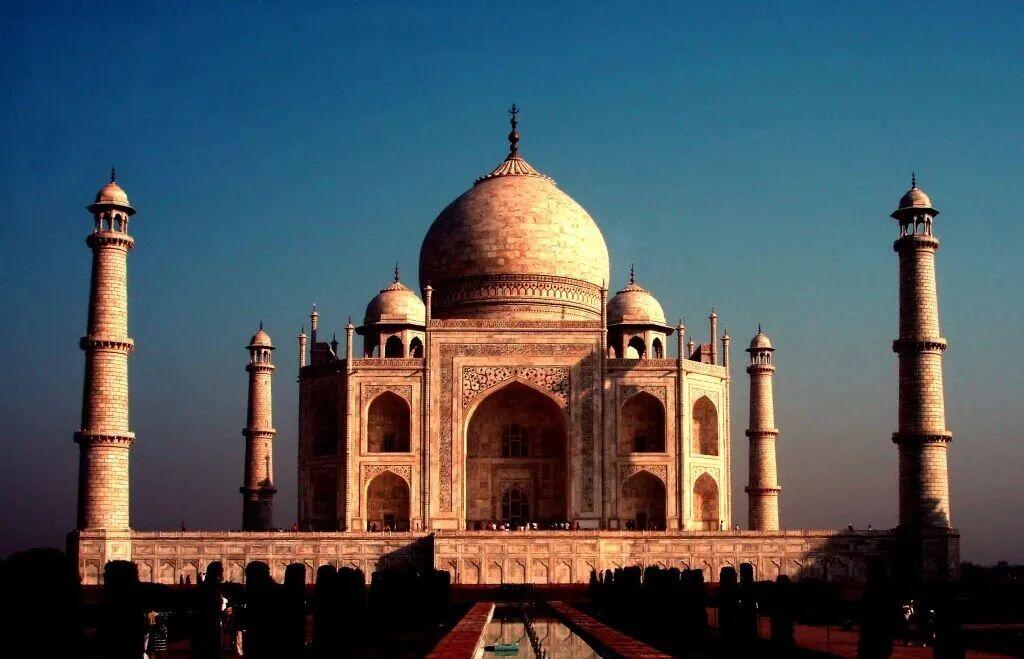
去印度,不能不看看泰姬陵。
"You can’t visit India without seeing the Taj Mahal."
泰姬陵是一座著名的白色大理石陵墓,以精美的建筑设计闻名。
"It’s known for its stunning architecture."(它以令人惊叹的建筑风格而闻名。)
Of course, this is just an expression. It doesn’t mean you literally have to visit every famous attraction!(当然,这只是一种表达方式,并不是说你真的必须去参观每一个著名景点!)
这个句型主要是用来强调一个景点很有代表性,值得一看。除此之外,我们还可以用must-see 来形容"必看的景点"。
For example, "The Great Wall is a must-see attraction in China."
长城是中国必看的景点。
"Or the Eiffel Tower is a must-see attraction in Paris."
埃菲尔铁塔是巴黎必看的景点。
04. 什么样的纪念品才值得买?
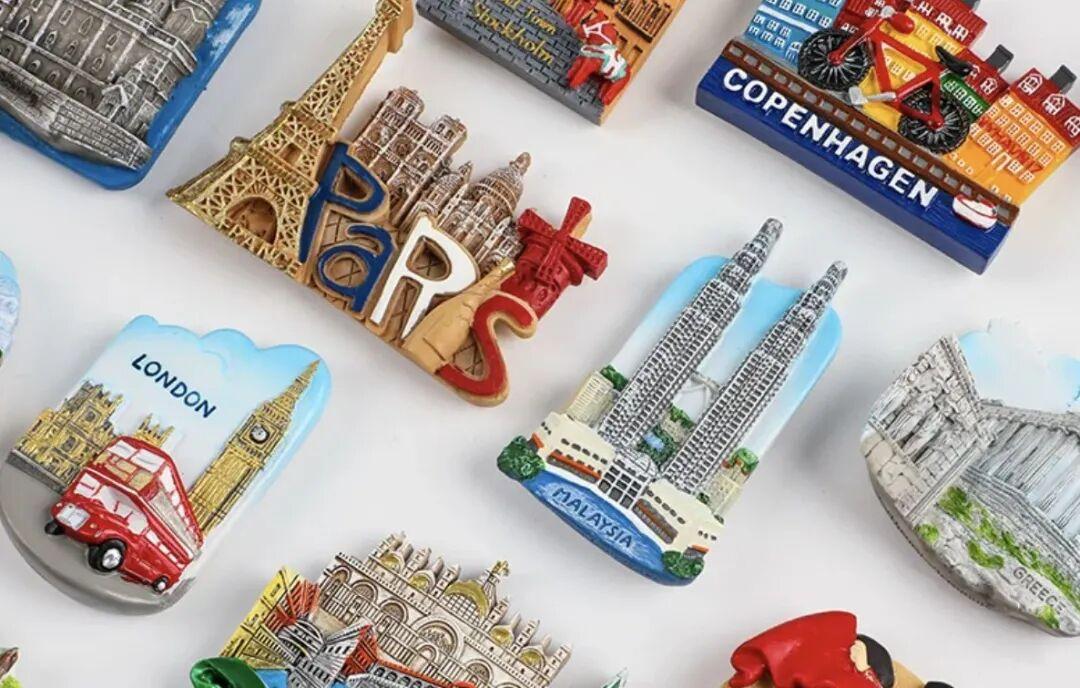
说完了著名地标,再来说说旅行纪念品。大家出去旅游的时候都会买些什么呢?
对于梅莉来说,She is quite selective (仔细挑选). She’d rather buy something that reminds her of a specific place or experience than something just because it’s there (比起看到什么就买什么).
比如明信片(postcard)、手工制品(handmade item)、烹饪用的香料(spices for cooking),或者在当地市场(local market)发现的特色物品。很多年以后再看到它们,就能重新想起当时的旅行经历。
That’s so meaningful! 也许这就是纪念品的意义。它不一定很贵,但看到它,仿佛就能把你拉回当时的美好记忆。Flora也是这样,会买一些让自己印象深刻、感到开心的东西。每次看到它们,就能想起当时的心情。
用英文诠释就是:Sentimental value,"纪念意义"或者"情感价值"。一件东西之所以对你很重要,是因为它承载着与你有关的回忆或情感。
举个例子:
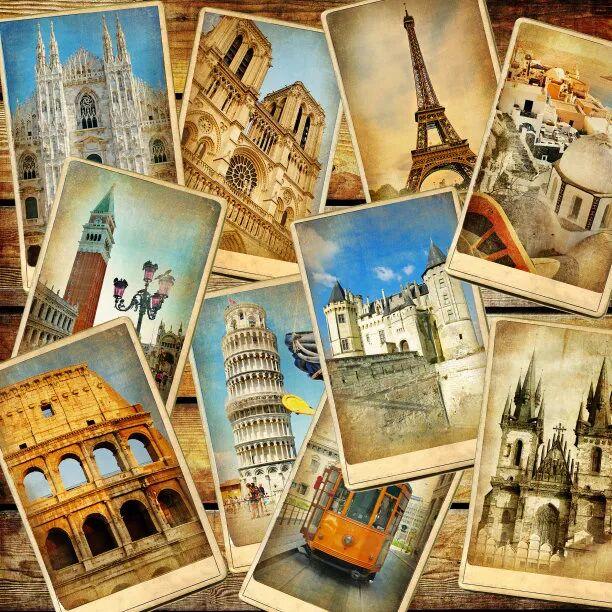
"This postcard has sentimental value because I bought it during my first trip to Paris."
这张明信片对我有特别的纪念意义,因为它是我第一次去巴黎旅行时买的。
Or you can say, "It’s not expensive, but it means a lot to me."
它不贵,但对我来说意义重大。
这里的it means a lot to me 就是"它对我意义重大",在日常生活中也非常实用。
One person might see a fridge magnet as just a decoration(冰箱贴只是一种装饰), while another person might collect one (收藏) from every country they’ve visited.
时间久了,冰箱上就像有了一张属于自己的旅行地图,每一块冰箱贴都代表着一段回忆。
Every magnet tells a little story about where you’ve been.
And sometimes, even a mistake becomes a great story. 就像那位在伦敦买到中国大学钟楼冰箱贴的游客!And it’s definitely a conversation starter (开启话题的东西).
"That unusual fridge magnet is a great conversation starter."
那块特别的冰箱贴真是一个很好的话题开端。
今天我们从一块冰箱贴聊起,认识了许多著名的landmarks(地标),也讨论了旅行纪念品souvenir。那么,节目最后留给大家一个问题:
What’s the most memorable landmark you’ve ever visited? Or what’s the most meaningful souvenir you’ve ever kept?
你去过的地方中,哪个地标最让你难忘?或者,你保存过的最有意义的纪念品是什么呢?欢迎在评论区告诉我们!
Avsnitt sparat!
Du hittar sparade avsnitt på Mina sidor.
Kunde inte spara avsnitt
Något gick fel. Försök igen.