Learn Somatic Tools to Regulate Emotions, Heal Triggers & Calm Your Nervous System:
https://attachment.personaldevelopmentschool.com/somatic-attachment-healing?utm_source=podcast&utm_campaign=somatic-attachment-healing&utm_medium=organic&utm_content=yt-10-09-26&el=podcast
Do you have moments when your emotions feel overwhelming, you suddenly become frustrated or reactive, or you say something you later regret? If you have a Fearful Avoidant Attachment Style (also known as Disorganized Attachment), you may find yourself struggling with emotional volatility, intense triggers, or a cycle of anger followed by guilt and self-criticism.
But what if these emotional reactions aren't coming out of nowhere? What if they're actually the result of unmet needs, subconscious core wounds, and nervous system dysregulation?
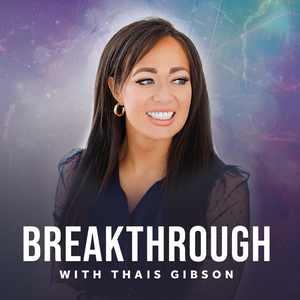
In this episode, Thais Gibson explores 3 major reasons Fearful Avoidants may struggle with emotional volatility and strong emotions, and how understanding these patterns can help you respond to triggers in healthier, more secure ways.
Thais explains how Fearful Avoidants often struggle to recognize or communicate their needs because of past experiences where those needs weren't consistently met. Over time, unexpressed needs can build into frustration, resentment, and emotional overwhelm.
She also explores how subconscious stories, such as "I don't matter," "I'm not cared for," or "I'm not worthy of having my needs met," can intensify emotional reactions and cause us to interpret present-day situations through the lens of past experiences.
Finally, Thais shares why nervous system regulation and reconnecting with your emotions are essential for recognizing triggers before they escalate, expressing your needs more effectively, and breaking the cycle of emotional reactivity and shame.
Whether you're a Fearful Avoidant working toward Secure Attachment or someone who loves a Fearful Avoidant, this episode offers compassionate insights and practical steps to help you better understand emotional volatility and develop healthier communication patterns.
✨ IN THIS EPISODE, YOU'LL LEARN:
-
Why Fearful Avoidants may experience intense emotional reactions, frustration, or emotional volatility
-
The 3 underlying factors that contribute to emotional overwhelm and reactive behavior
-
How repeatedly unmet needs can build into resentment, criticism, and emotional outbursts
-
Why Fearful Avoidants may struggle to ask directly for support, connection, or reassurance
-
How subconscious core wounds can create negative stories about other people's intentions
-
The connection between nervous system dysregulation, fight-or-flight responses, and emotional reactivity
-
How to identify the unmet need hiding underneath criticism or frustration
-
Practical ways to communicate your needs before emotions become overwhelming
-
Why reconnecting with your body can help you recognize emotional triggers earlier
-
How to move away from cycles of emotional volatility, guilt, and self-criticism
TIMESTAMPS:
00:00 – Why Fearful Avoidants Struggle With Emotional Volatility
00:47 – Reason #1: Unmet Needs and Built-Up Frustration
01:33 – Why Fearful Avoidants Struggle to Express Their Needs
02:16 – Reason #2: Subconscious Stories and Negative Core Beliefs
03:11 – Reason #3: Nervous System Dysregulation and Emotional Overwhelm
03:28 – Why Emotional Outbursts Can Lead to Guilt and Shame
03:48 – Understanding the Connection Between Triggers and Fight-or-Flight
04:17 – How to Turn Criticism Into Healthy Communication
05:11 – Why Nervous System Regulation Is Essential for Fearful Avoidants
05:26 – How to Recognize Emotions Before They Escalate
06:18 – Healing Emotional Reactivity With Greater Self-Compassion
Meet Thais
Thais Gibson, PhD, is a Best-Selling Author, Pastoral Counselor, Relationship Coach, and the founder of The Personal Development School (PDS). Between 2013 and 2019, she developed Integrated Attachment Theory® (IAT), the Six-Step Method to Becoming Secure, a framework rooted in neuroscience, attachment theory, psychology, and spirituality, trademarked in October 2021. IAT works across six pillars:
✔ Rewire Your Attachment Core Wounds
✔ Learn Your Attachment Needs
✔ Regulate Your Nervous System Somatically
✔ Learn Healthy Boundaries
✔ Improve Communication
✔ Rewire Your Unhealthy Protest Behaviors
Since opening in 2020, PDS has grown to serve over 70,000 students in 145 countries, achieving a 97% satisfaction rate and helping people reprogram their subconscious patterns and build thriving, secure relationships.
Helpful Resources:
🧠 Take the Free Attachment Style Quiz
https://attachment.personaldevelopmentschool.com/?utm_source=podcast&utm_campaign=attachment-quiz&utm_medium=organic&el=podcast
📘 Become an IAT Relationship Coach
https://attachment.personaldevelopmentschool.com/iat?utm_source=podcast&utm_campaign=iat&utm_medium=organic&el=podcast
📚 Read the New Attachment Theory Book
https://attachment.personaldevelopmentschool.com/book/the-new-attachment-theory?utm_source=podcast&utm_campaign=the-new-attachment-theory&utm_medium=organic&el=podcast
🎧 Discover Podcast Episodes
https://attachment.personaldevelopmentschool.com/podcast?utm_source=podcast&utm_campaign=podcast-page&utm_medium=organic&el=podcast
📝 Read the PDS Blog
https://blog.personaldevelopmentschool.com/
Let’s Connect on Socials:
📸 Instagram: https://www.instagram.com/thepersonaldevelopmentschool/
📘 Facebook: https://www.facebook.com/ThePersonalDevelopmentSchool
🎵 TikTok: https://www.tiktok.com/@thaisgibson
💼 LinkedIn: https://www.linkedin.com/company/thepersonaldevelopmentschool/