Dela

Over the past several decades, neuroendocrine cancer diagnoses have increased significantly—raising an important question: Are these cancers becoming more common, or are we simply getting better at finding them? In this episode of NETWise, leading clinicians, researchers, and a patient share what the data—and real-world experience—reveal about this trend.
Drawing on insights from global experts and patient perspectives, this conversation explores how advances in imaging, pathology, and research are reshaping what we know about neuroendocrine cancer—and why earlier recognition is changing the landscape of care.
In this episode, you’ll hear about:
As understanding grows, so does the ability to diagnose neuroendocrine cancer with greater precision—and to treat it more effectively. This episode brings clarity to what’s behind the rising numbers and what that progress means for patients and families today.
Whether you’re a patient, caregiver, clinician, or advocate, this episode offers clear, accessible insights into the breakthroughs driving research forward.
Please like, share, and subscribe. Your engagement helps us reach more patients and caregivers seeking reliable neuroendocrine cancer information—and supports NETRF’s mission to expand research, awareness, and hope across the NET community.

Ulrich-Frank Pape, MD
Gastroenterologist, Asklepios Klinik St. Georg, Hamburg, Germany

Arvind Dasari, MD
Gastrointestinal Medical Oncologist, MD Anderson Cancer Center
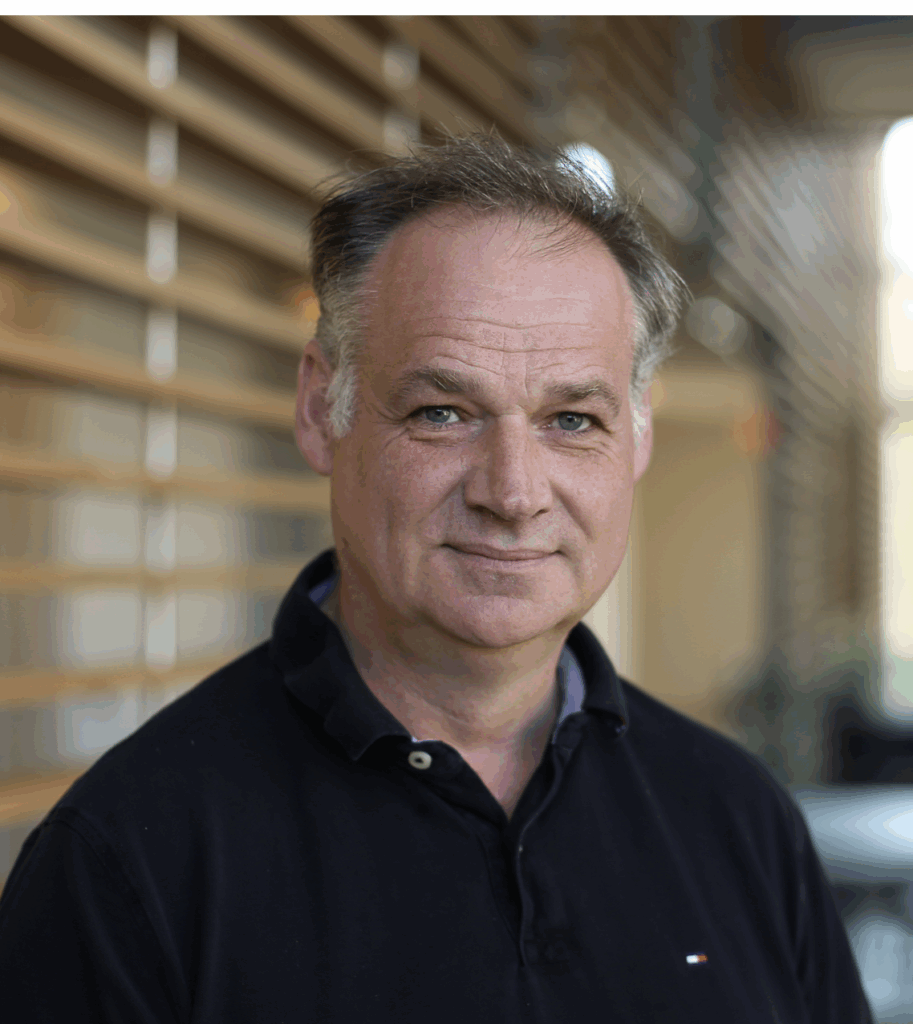
Neil Renwick, MD, PhD, FRCPC
Assistant Professor, Department of Pathology & Molecular Medicine, Queen’s University
(SEAMO New Clinician-Scientist Program)

Nancy Joseph, MD, PhD
Professor of Surgical Pathology, University of California, San Francisco (UCSF)
A special thank you to Jessica Ochoa for sharing her neuroendocrine cancer journey.
The post Episode 52: Why Is Neuroendocrine Cancer on the Rise? appeared first on NETRF.
Avsnitt sparat!
Du hittar sparade avsnitt på Mina sidor.
Kunde inte spara avsnitt
Något gick fel. Försök igen.