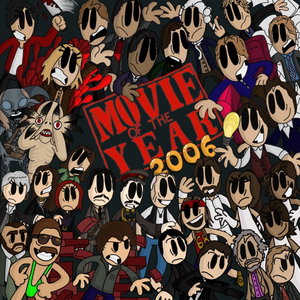
Movie of the Year: 2006The Action Figure DraftThe Challenge: Drafting 2006 Action Figures
Drafting 2006 action figures puts a unique spin on the Movie of the Year podcast format. Rather than debating which film deserves the crown, the Taste Buds face a different challenge: assembling the ultimate action figure collection from a single year. The draft requires each panelist to select figures across six distinct categories: a wizard, a fighter, a cleric, a bard, a playset, and a vehicle. This episode blends nostalgia with strategy, forcing the hosts to think critically about what made 2006 action figures memorable.
The format mirrors the bracket-style competition that defines Movie of the Year, but the stakes feel more playful. Additionally, the draft structure demands quick thinking and creative justification. Furthermore, each selection reveals something about the chooser's pop culture priorities and childhood memories.
About This Draft Episode
The action figure draft emerged as a natural evolution of the MOTY format. Rather than selecting films, the panel turns its attention to the plastic heroes and villains that decorated collectors' shelves in 2006. Movie of the Year uses debate and argumentation to crown champions, and the action figure draft applies the same rigor to toys. Specifically, the draft forces panelists to make strategic picks, defend their choices, and navigate the inherent tension between nostalgia and objective quality.
2006 action figures represent a particular cultural moment. The year saw releases across multiple franchises, from superhero lines to fantasy collectibles. Notably, the action figure market in 2006 reflected both established toy lines and emerging collector communities. Additionally, the draft category breakdown (wizard, fighter, cleric, bard, playset, vehicle) creates natural tension, since exceptional figures exist in every category. Consequently, difficult choices become inevitable.
Guest Panelist: Taylor
Taylor brings extensive experience to the MOTY table as a regular panelist across multiple seasons. Prior to joining the Movie of the Year rotation, Taylor hosted the PopFilter superhero podcast, where the show explored comic book adaptations with the same critical rigor applied to film. Taylor's background in superhero discourse makes this action figure draft particularly fitting, given the prevalence of superhero figures in 2006 collections. Furthermore, Taylor's perspective on character design and narrative arc translates directly to evaluating which action figures merit selection in a competitive draft format.
Guest Panelist: Nate
Nate brings fresh energy to the panel as the host of Debut Buddies, a podcast exploring first impressions and entry points to beloved franchises. This sensibility proves valuable in an action figure draft, where nostalgia and first-time experiences collide. Nate's podcast work focuses on understanding why certain properties resonate with audiences at their moment of introduction. Additionally, Nate's experience discussing collectibles and fan culture across episodes of Debut Buddies positions the panelist well to articulate the cultural significance of 2006 action figures. Consequently, Nate's selections reflect both personal enthusiasm and broader cultural commentary.
The Draft Categories Explained
The six-category format creates a balanced draft structure. Each category demands different types of excellence, ensuring no single franchise dominates all selections. The wizard category rewards figures with fantasy credentials or magical accessories. Meanwhile, the fighter category prioritizes dynamic sculpts and detailed articulation. The cleric category highlights figures designed for healing or spiritual roles. The bard category celebrates characters known for charm, performance, or charisma.
Placesets and vehicles round out the draft. A standout playset can define an entire collection, offering rich world-building and multiple character integration points. Vehicles, meanwhile, serve dual purposes: they function as impressive display pieces and provide practical storage for smaller figures. Furthermore, both categories push panelists to think beyond single-character selections. Therefore, strategic panelists often save these final picks for surprise value.
Why This Draft Format Still Matters
Action figure drafts celebrate toys as cultural artifacts worth serious debate. The format acknowledges that action figures were never mere children's toys; they represent artistic achievement, design innovation, and fandom expression. By applying the Movie of the Year framework to collectibles, the podcast validates pop culture objects that collectors have defended for decades. Moreover, the draft creates space for nostalgia without dismissing critical analysis.
The 2006 action figure market occupies a specific historical position. The year exists in a liminal space between analog and digital toy culture. Additionally, 2006 represents a moment when adult collecting had achieved mainstream legitimacy. Consequently, the figures released that year carry weight beyond simple nostalgia. Furthermore, examining which 2006 action figures merit selection reveals much about evolving standards in toy design, packaging, and character representation.
Related Episodes from Movie of the Year: 2006
FAQ: Action Figure Draft Podcast and 2006 CollectiblesWhat is the Movie of the Year action figure draft about?
The action figure draft applies the Movie of the Year tournament format to toy collecting. Rather than debating films, the Taste Buds select action figures across six categories: wizard, fighter, cleric, bard, playset, and vehicle. Each panelist makes strategic picks, defends their choices, and competes for the title of best overall collection. The episode combines nostalgia with competitive analysis, exploring why certain figures from 2006 deserve consideration as collectibles worth defending.
What made 2006 a significant year for action figures?
2006 represented a peak moment for toy collecting. The year saw sophisticated figure releases across multiple franchises, from superhero lines to fantasy properties. Additionally, adult collecting had achieved mainstream acceptance by 2006, meaning toy companies invested in higher-quality sculpts and articulation. Furthermore, the figures released that year benefited from advanced manufacturing techniques while maintaining handcrafted design sensibilities. Consequently, 2006 action figures occupy a unique cultural position as genuinely excellent toys.
Why are the draft categories split between characters and objects?
The six-category system ensures balanced competition. Character categories (wizard, fighter, cleric, bard) reward figures with strong design and character definition. Object categories (playset, vehicle) prevent single-franchise domination and force panelists to think strategically about display value and practical considerations. This mix creates tension throughout the draft, since exceptional options exist in every category. Therefore, no single panelist can monopolize excellence across all selections.
What defines a strong action figure?
Excellent action figures balance multiple qualities. Articulation allows dynamic posing, while sculpt detail rewards close examination. Paint application separates fine figures from mass-produced alternatives. Additionally, character accuracy matters; figures should capture essential traits of their subjects. Furthermore, accessories expand possibilities, from weapons to alternate heads. Above all, great figures inspire collectors to display them proudly and handle them repeatedly. Consequently, the draft rewards figures that succeed across these dimensions.
How does the action figure draft compare to Movie of the Year bracket episodes?
Both formats apply competitive debate to pop culture objects. Movie of the Year bracket episodes determine which film deserves recognition within a specific year. The action figure draft adapts this structure to collectibles, asking which figures merit selection within category constraints. Additionally, both formats privilege entertaining discussion over predetermined outcomes. Furthermore, both celebrate deep fandom engagement and critical thinking about cultural products. Notably, the action figure draft adds a playful dimension, since figures encourage physical interaction and collection aesthetics beyond what films can offer.
What should listeners expect from this two-part draft?
Part One introduces the draft format, the panelists, and the strategy. The Taste Buds will work through early selections, revealing their priorities and defending their picks. Expect passionate arguments, surprising choices, and nostalgic references to 2006 toy releases. Additionally, Taylor and Nate will bring distinct perspectives shaped by their respective podcasting backgrounds. Furthermore, the episode balances competitive intensity